
Cart 0

Complete Guide to Why Use Takeaway Containers
Every takeaway meal relies on packaging that can keep food fresh, hot, and safe during the journey home. With over 11,000 takeaway businesses operating in the UK, the right containers play a critical role in protecting meals from contamination and temperature loss. Whether you run a café or manage a busy restaurant, understanding how takeaway containers support safety, presentation, and convenience makes a direct impact on your customer satisfaction and food quality.
Table of Contents
- What Are Takeaway Containers Used For?
- Types Of Takeaway Containers In The UK
- Key Features And Functional Benefits
- Hygiene, Safety, And Food Quality Advantages
- Environmental Impact, Costs, And Regulations
- Choosing The Right Option For Your Business
Key Takeaways
| Point | Details |
|---|---|
| Food Safety | Takeaway containers are essential for maintaining food quality and safety during transportation, preventing contamination and temperature issues. |
| Material Variety | Different container types, including plastic, biodegradable, and compartmentalized options, cater to various food service needs and sustainability goals. |
| Regulatory Compliance | Businesses must navigate evolving regulations on single-use plastics, prioritizing eco-friendly materials and responsible waste management practices. |
| Strategic Selection | Choosing the right container involves considering menu composition, budget constraints, brand identity, and operational efficiency to enhance customer experience. |
What Are Takeaway Containers Used For?
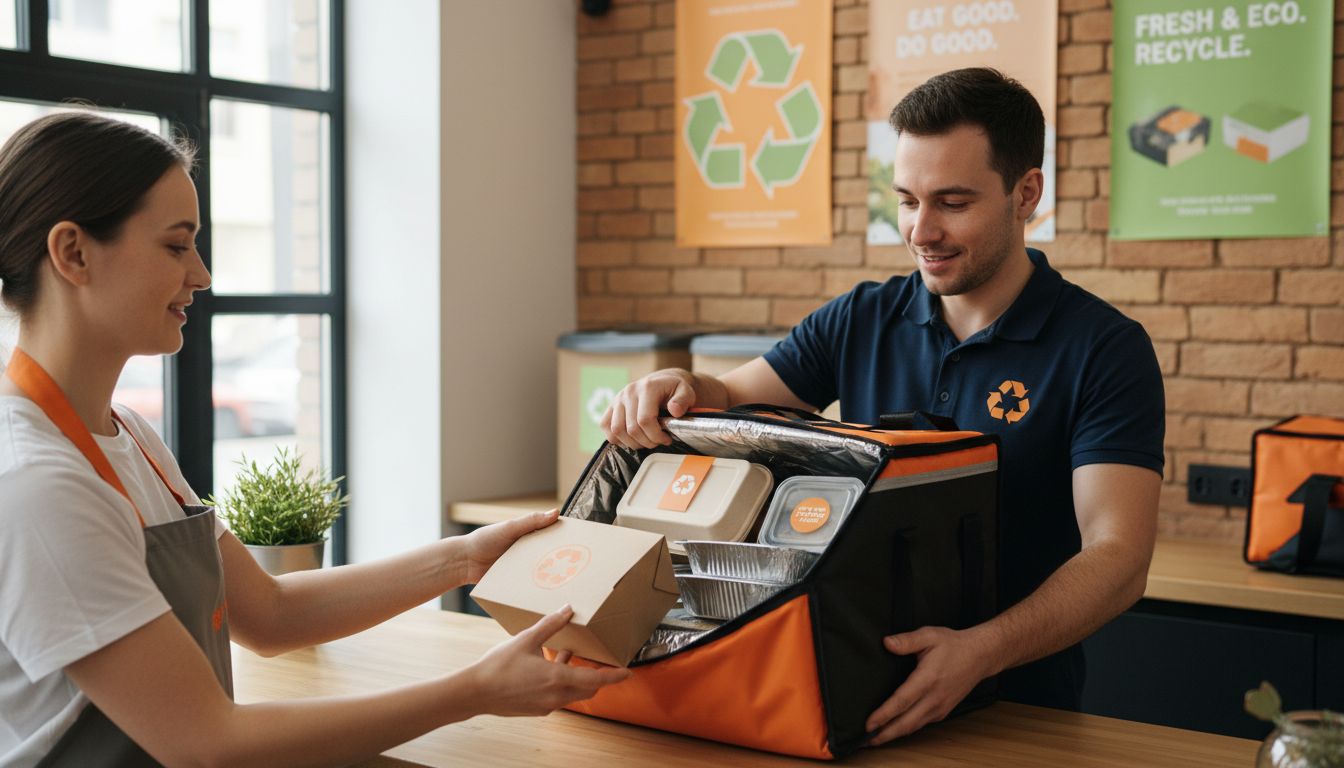
Takeaway containers are critical packaging solutions designed to transport, preserve, and serve food safely from businesses to consumers. Copeland highlights their essential function in maintaining food safety during transportation, ensuring meals remain uncontaminated and at appropriate temperatures.
These versatile containers serve multiple purposes across the food service industry. Recycleright notes they are commonly used for delivering and serving various food items, providing convenience for customers on the go. The primary functions of takeaway containers include:
- Protecting Food Quality: Maintaining temperature and preventing contamination
- Facilitating Transportation: Enabling safe movement of meals from restaurant to customer
- Supporting Portion Control: Providing standardized sizing for different menu items
- Enhancing Brand Presentation: Offering customizable packaging options
Depending on the specific food type, takeaway containers come in diverse materials and designs. Restaurants might use sturdy plastic containers for hot meals, biodegradable options for salads, or compartmentalized trays for complex dishes. The goal remains consistent: delivering high-quality, safe, and appealing food directly to the customer’s preferred location.
For businesses looking to understand more about effective packaging strategies, check out our guide on packaging in takeaway operations.
Types of Takeaway Containers in the UK
The UK food service industry offers a diverse range of takeaway containers designed to meet various culinary and operational needs. These containers can be broadly categorised into several key types, each serving specific purposes for different food items and service styles.
Common types of takeaway containers in the UK include:
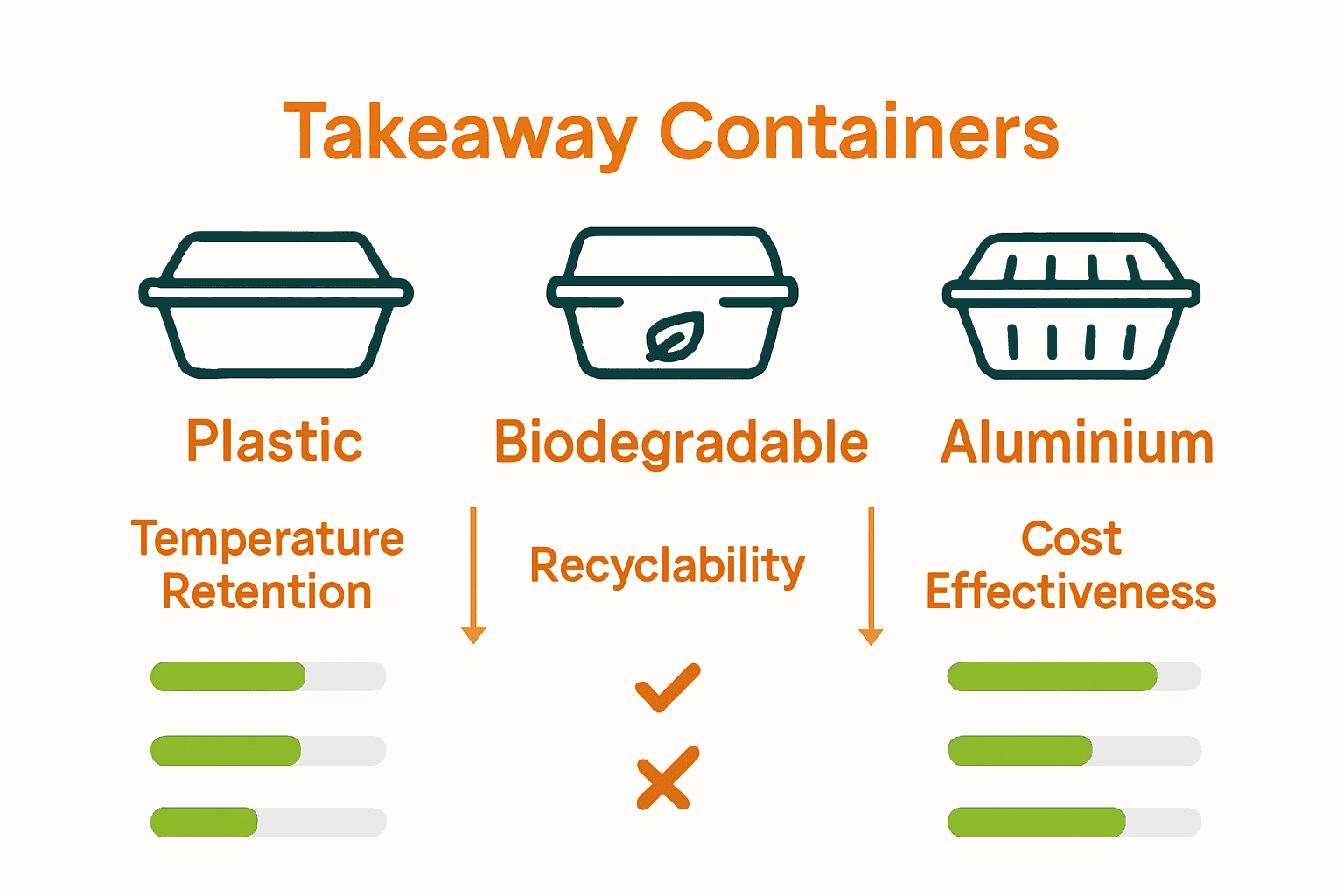
- Plastic Containers: Durable, transparent containers ideal for hot and cold meals
- Biodegradable Containers: Eco-friendly options made from materials like bagasse or plant-based composites
- Aluminium Trays: Perfect for hot meals, providing excellent heat retention
- Cardboard Boxes: Lightweight containers suitable for sandwiches, pastries, and dry food items
- Compartmentalised Containers: Multi-section containers for meals with multiple components
Specialised containers have emerged to address specific dietary and operational requirements. For instance, restaurants now offer leak-proof designs for liquid-based dishes, microwave-safe options for convenience, and containers with ventilation for items that require breathing space.
For food businesses looking to explore different packaging solutions, check out our guide on takeaway trays to understand the nuanced world of food packaging options.
Key Features and Functional Benefits
Takeaway containers are engineered with a range of sophisticated features designed to address the complex needs of modern food service businesses. Functional design stands at the core of these packaging solutions, ensuring food remains safe, appetising, and convenient for customers.
Key functional benefits of modern takeaway containers include:
- Temperature Retention: Advanced thermal properties that keep hot foods hot and cold foods cold
- Structural Integrity: Robust designs that prevent leakage and maintain food presentation
- Stackability: Space-efficient shapes allowing easy storage and transportation
- Portion Control: Standardised sizing to support consistent serving measurements
- Customisation Options: Ability to print branding, nutritional information, or decorative designs
Materials play a crucial role in container functionality.
Biodegradable options now offer comparable performance to traditional plastics, with added environmental benefits. Some containers feature innovative technologies like moisture-wicking interiors for crispy foods, ventilation systems for steam release, and microwave-safe compositions that extend consumer convenience.
For businesses seeking to optimise their packaging strategy, our guide on packaging in takeaway operations provides comprehensive insights into selecting the most effective container solutions for specific culinary needs.
Hygiene, Safety, and Food Quality Advantages
Copeland emphasises the critical importance of proper takeaway container usage in maintaining food hygiene and safety. These specialised containers serve as a fundamental barrier against potential contamination, ensuring that food remains protected from external environmental risks during storage, transportation, and delivery.
Key hygiene and safety advantages include:
- Contamination Prevention: Sealed containers block external bacteria and pollutants
- Temperature Control: Insulated designs maintain safe food temperatures
- Cross-Contamination Reduction: Separate compartments prevent ingredient mixing
- Handling Protection: Minimise direct human contact with food surfaces
- Durability: Robust materials prevent potential physical contamination
Modern takeaway containers are engineered with advanced food safety technologies. Materials are carefully selected to resist bacterial growth, withstand temperature variations, and provide a sterile environment for food preservation. Recycleright further highlights the importance of responsible disposal, which contributes to overall environmental and food safety standards.
For businesses seeking comprehensive insights into maintaining food safety through effective packaging, our guide on packaging in takeaways offers detailed strategies and best practices.
Environmental Impact, Costs, and Regulations
Gov.uk highlights the UK government’s significant regulatory shifts towards reducing environmental impact from single-use plastics, particularly in the takeaway container market. These emerging regulations are compelling businesses to reconsider their packaging strategies and invest in more sustainable solutions.
Key considerations for environmental and regulatory compliance include:
- Material Selection: Prioritising biodegradable and recyclable container materials
- Waste Reduction: Minimising single-use packaging footprint
- Regulatory Alignment: Adhering to evolving government environmental standards
- Cost Management: Balancing sustainable options with economic feasibility
- Consumer Perception: Demonstrating environmental responsibility
NLWA reveals the complex challenges in waste management, particularly with seemingly eco-friendly compostable containers. Many containers marketed as compostable cannot actually be recycled due to hidden plastic linings, underscoring the importance of thorough material assessment and transparent waste management practices.
For businesses navigating these intricate environmental and regulatory landscapes, our packaging in takeaways guide provides comprehensive strategies for sustainable and compliant packaging solutions.
Choosing the Right Option for Your Business
Selecting the appropriate takeaway containers requires a strategic approach that balances multiple critical factors specific to your food service operation. Business context plays a pivotal role in determining the most suitable packaging solution, with considerations ranging from cuisine type to target customer demographic.
Key selection criteria include:
- Menu Composition: Match container design to specific food types
- Budget Constraints: Balance quality with cost-effectiveness
- Brand Identity: Choose containers that reflect your business aesthetic
- Operational Efficiency: Consider storage, transportation, and handling requirements
- Sustainability Goals: Align with environmental responsibility objectives
Practical decision-making involves a comprehensive evaluation of container materials, thermal properties, durability, and environmental impact. Different food categories demand unique packaging solutions – hot meals require different thermal management compared to cold salads or delicate pastries. Your chosen containers should not only preserve food quality but also enhance the overall customer experience and reinforce your brand’s commitment to quality and innovation.
For businesses seeking detailed guidance on navigating these complex selection processes, our packaging in takeaways guide provides in-depth insights and practical recommendations tailored to diverse food service operations.
Discover the Perfect Takeaway Containers for Your Business Needs
Choosing the right takeaway containers is crucial to protect food quality, ensure hygiene, and meet sustainability goals. If you are looking to overcome challenges such as temperature retention, contamination prevention, and brand presentation, your solution starts with finding suitable packaging designed for your menu and operational needs. From biodegradable options to sturdy plastic containers, Grab N Go Packaging offers a wide range of products tailored to keep your food fresh and your customers satisfied.
Explore our diverse collection and enjoy competitive pricing, easy ordering, and custom branding opportunities. Don’t wait to enhance your takeaway service with packaging that works as hard as you do. Visit our takeaway packaging page to browse all options and start improving food safety and customer experience today.
Frequently Asked Questions
What are takeaway containers used for?
Takeaway containers are used to transport, preserve, and serve food safely from businesses to consumers. They maintain food safety by preventing contamination and retaining appropriate temperatures during transportation.
What types of materials are takeaway containers made from?
Takeaway containers are made from various materials, including plastic, biodegradable options, aluminium, cardboard, and specialised containers to meet specific food needs. Each material serves different purposes, such as heat retention and eco-friendliness.
How do takeaway containers ensure food safety?
Takeaway containers play a crucial role in food safety by providing sealed environments to prevent contamination, maintaining safe temperatures, and reducing the risk of cross-contamination through compartmentalisation.
What factors should businesses consider when choosing takeaway containers?
When selecting takeaway containers, businesses should consider menu composition, budget constraints, brand identity, operational efficiency, and sustainability goals to determine the most suitable packaging solution.

