
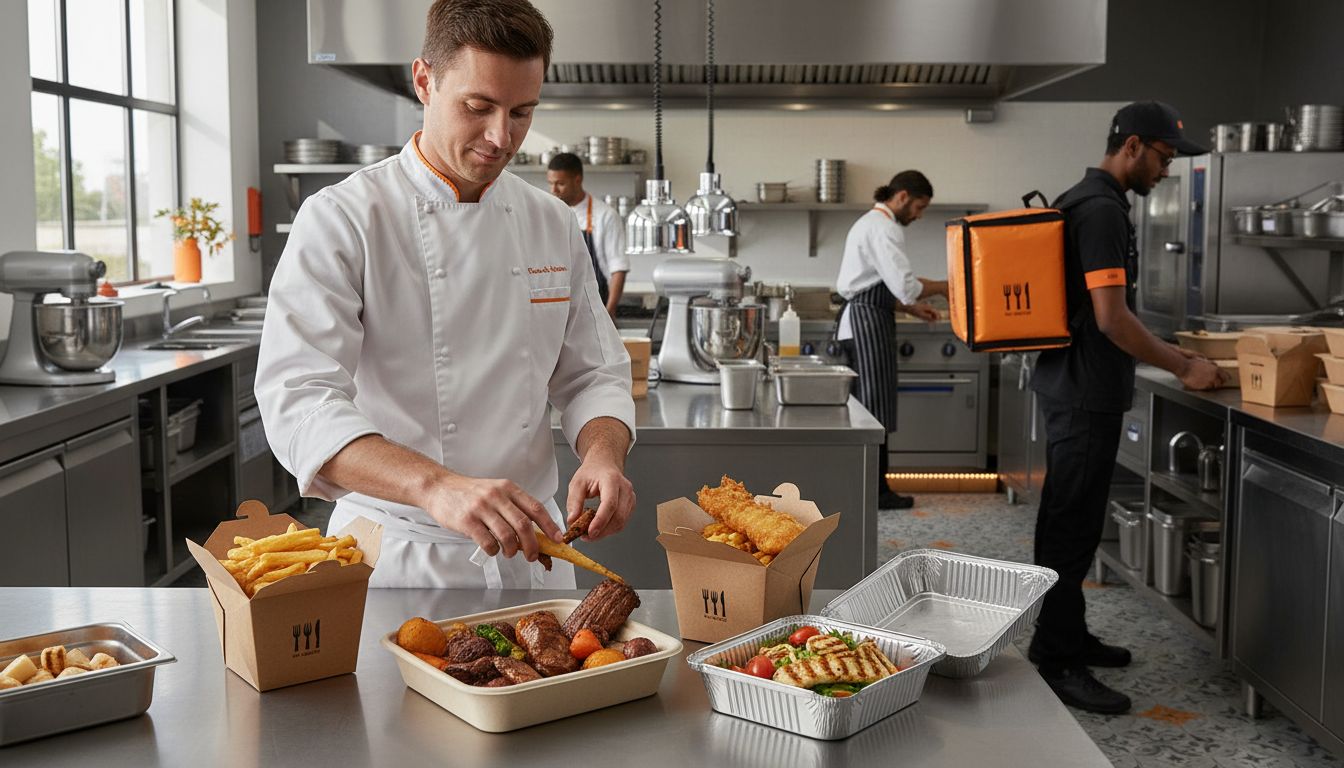
Over 2.5 billion takeaway meals are served in british food outlets each year, and the packaging that delivers them matters more than most realise. The right takeaway box protects food, keeps meals hot, and safeguards customer health. Yet, plenty of myths surround food packaging, especially when it comes to sustainability and safety. This guide breaks down what truly defines a quality takeaway box and dispels common misconceptions, helping you make smarter choices for your business and the environment.
| Point | Details |
|---|---|
| Understanding Packaging Materials | Different takeaway box materials have distinct environmental impacts, ranging from traditional plastics to biodegradable options. Selecting the right material is crucial for balancing sustainability and functionality. |
| Key Features of Takeaway Boxes | Essential characteristics such as leak resistance, thermal regulation, and structural integrity must be considered for maintaining food quality during transport. |
| Regulatory Compliance is Essential | Food service businesses must navigate UK packaging regulations to ensure safety, hygiene, and environmental sustainability in their operations. |
| Sustainability and Cost | Evaluating the total cost of ownership, including disposal and recyclability, is vital for making environmentally responsible packaging choices while managing costs effectively. |
Takeaway boxes are purpose-built containers designed for transporting food from restaurants, cafes, and food service establishments directly to consumers. Food packaging serves multiple critical functions beyond simply holding meals – it protects food quality, maintains temperature, and ensures safe transportation. According to research from nfff, these containers come in various materials including expanded polystyrene, paperboard, and biodegradable alternatives.
Common misconceptions about takeaway boxes often revolve around their environmental impact and functionality. Many people assume all food packaging is equally harmful, but materials vary significantly in sustainability. The ecohumanism study highlights that modern takeaway containers range from traditional plastics to innovative biodegradable options like PLA (polylactic acid) and PHA (polyhydroxyalkanoates), each with distinct environmental footprints.
Key characteristics that define a quality takeaway box include:
Understanding these nuances helps food service businesses make informed packaging choices. By selecting the right takeaway box, operators can balance practical needs with environmental considerations. For a comprehensive overview of packaging strategies, check out our guide to packaging in takeaway operations.
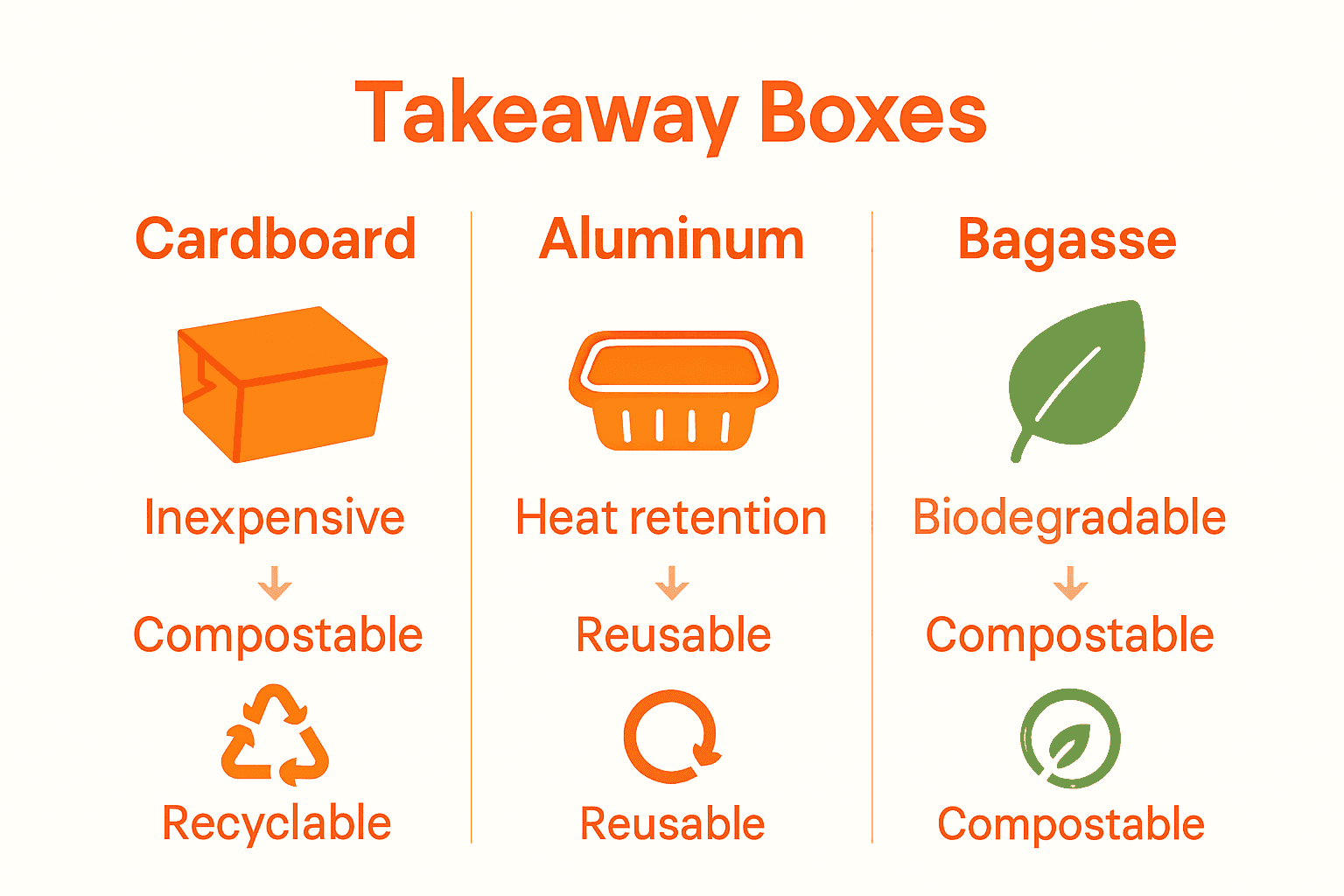
Takeaway boxes represent a diverse landscape of materials engineered for specific food transportation needs. According to research from orderdigital, food packaging materials range from traditional to innovative solutions, each with unique characteristics tailored to different culinary requirements. The primary materials include paper and cardboard, aluminum, glass, and various plastic composites.
The energy study from the University of Cambridge provides critical insights into the environmental implications of these materials. Expanded polystyrene, long a staple in food packaging, now competes with more sustainable alternatives like bagasse (sugarcane pulp), polypropylene, and reusable plastics. Each material offers distinct advantages and challenges in terms of durability, heat resistance, and environmental impact.
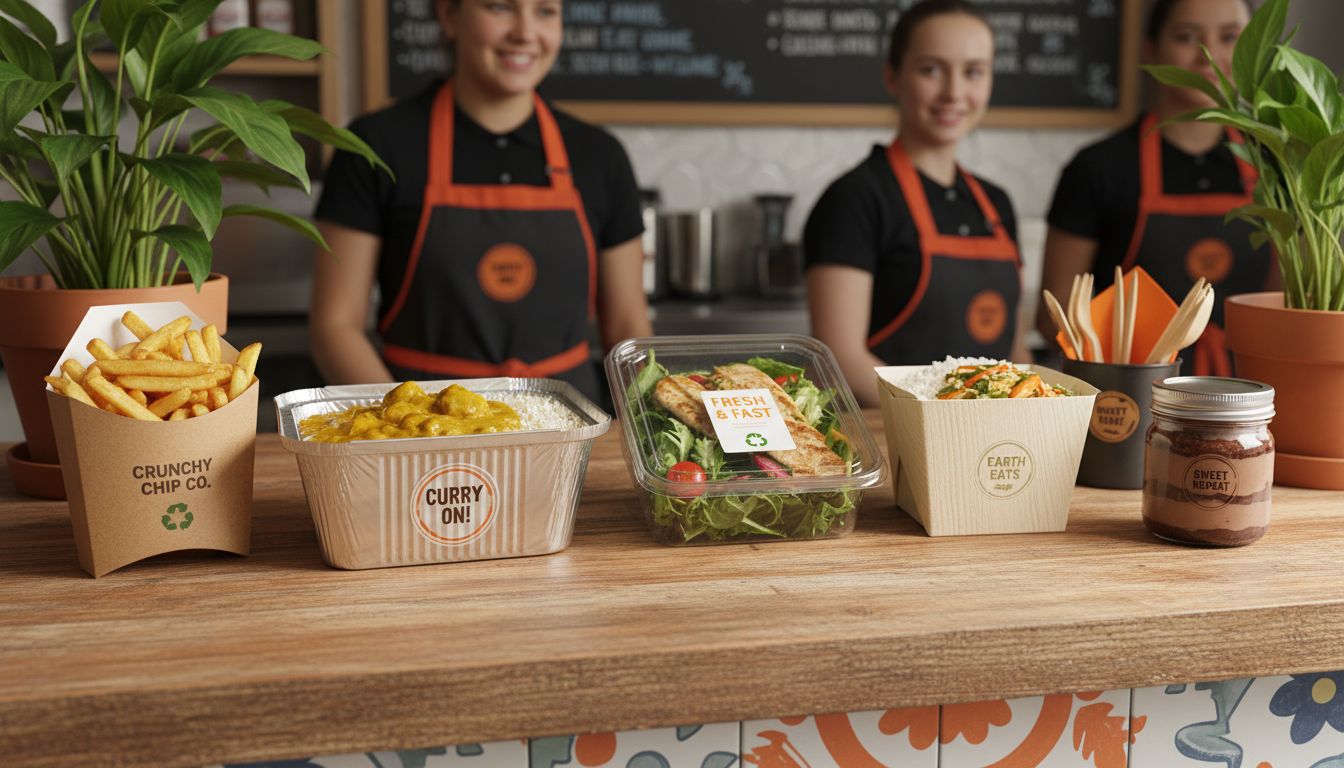
Key takeaway box materials include:
For food service businesses seeking comprehensive guidance on packaging selection, our guide to takeaway packaging in catering offers detailed insights into material selection strategies that balance practicality, cost-effectiveness, and environmental responsibility.
Food service packaging represents a critical intersection of functionality, customer experience, and operational efficiency. According to en, the food service industry must carefully consider multiple factors when selecting takeaway containers, balancing cost-effectiveness with performance requirements for different food types and delivery conditions.
Design considerations go far beyond simple containment. As highlighted in the en research, innovative packaging features can dramatically improve food quality during transportation. Specific design elements like strategic venting mechanisms, thermal insulation, and moisture control become paramount in maintaining food integrity from kitchen to customer.
Key operational features for takeaway boxes include:
For food service businesses seeking detailed guidance on optimizing packaging strategies, our guide to selecting disposable containers provides comprehensive insights into making informed packaging decisions that balance operational needs with customer satisfaction.
Food packaging regulations represent a complex landscape of safety requirements designed to protect consumer health and ensure quality standards in the food service industry. According to the nfff DEFRA research report, ongoing regulatory assessments are continuously evaluating packaging materials to maintain the highest standards of food safety and environmental responsibility.
The regulatory framework for takeaway packaging encompasses multiple critical dimensions, including material safety, hygiene standards, and potential environmental impact. Key considerations include preventing chemical migration from packaging into food, ensuring thermal stability, and maintaining structural integrity during transportation. Businesses must navigate these requirements carefully to comply with UK food safety legislation.
Critical regulatory compliance elements include:
For food service businesses seeking comprehensive guidance on navigating these complex regulatory landscapes, our guide to packaging in takeaway operations provides detailed insights into maintaining compliance while delivering high-quality food packaging solutions.
Sustainable packaging has become a critical consideration for food service businesses balancing environmental responsibility with economic constraints. Research from phys reveals that strategic material selection can significantly reduce greenhouse gas emissions while managing operational costs, presenting a nuanced approach to packaging procurement.
According to dashanpacking, different packaging materials offer varying cost implications and environmental benefits. Polypropylene, PET, and molded fiber represent innovative alternatives that provide a compelling balance between affordability, durability, and ecological impact. The key is understanding the total cost of ownership, which extends beyond initial purchase price to include factors like disposal, recyclability, and potential environmental compliance costs.
Key cost and sustainability factors include:
For businesses seeking comprehensive insights into making sustainable packaging choices, our guide on sustainable packaging options provides strategic recommendations for balancing economic and environmental priorities.
Navigating the world of takeaway boxes involves balancing food safety, compliance, sustainability and customer satisfaction. This article highlights the challenges of selecting containers that protect food quality, comply with UK packaging regulations and support your brand identity. If you are facing these critical decisions, you know how important it is to find reliable, cost-effective packaging that ticks all the boxes including material choice, leakage resistance and thermal regulation.
Explore a wide range of takeaway packaging options at Grab n Go Packaging designed specifically for food service and hospitality operators. Whether you need disposable containers, eco-friendly bagasse boxes or bespoke printed packaging that boosts your brand presence, our online store offers convenience and competitive prices to meet your business needs. Take control now with our guide to packaging in takeaway operations to make confident packaging choices that satisfy customers and comply with regulations. Visit our landing page and start upgrading your takeaway packaging today.
Takeaway boxes are specialised containers designed for transporting food from restaurants and cafes. They serve critical functions such as protecting food quality, maintaining temperature, ensuring safe transportation, and providing environmental sustainability through various materials.
Takeaway boxes are made from diverse materials including cardboard, paper, plastic composites, aluminium, glass, and innovative alternatives like bagasse. Each material offers unique benefits such as biodegradability, recyclability, and durability for different food types.
When selecting a takeaway box, consider factors such as leak resistance, thermal regulation, structural integrity, material sustainability, and the appropriate size for the type of food being transported to ensure food quality and customer satisfaction.
Food packaging regulations focus on ensuring material safety, preventing chemical migration into food, thermal stability during transportation, recyclability, and traceability of packaging materials. Compliance with these regulations is essential for maintaining food safety standards.