

Nearly 60 percent of british consumers judge a restaurant’s quality by its delivery packaging. In a world where first impressions often start at the doorstep, food service businesses cannot afford to overlook how meals arrive. Modern packaging choices protect food, support brand image, and shape satisfaction long before the first bite. This guide breaks down the essentials that every business and customer should know about packaging in the british food delivery scene.
| Point | Details |
|---|---|
| Importance of Delivery Packaging | Delivery packaging is crucial for preserving food quality and safety, extending beyond transportation to enhance customer experience and brand perception. |
| Material Selection | Choosing the right materials, such as metal, glass, or sustainable options, is essential for balancing functionality, cost, and environmental impact. |
| Regulatory Compliance | Food service businesses must adhere to stringent legal standards and regulations to ensure food safety and maintain consumer trust. |
| Branding and Sustainability | Effective packaging serves as a strategic branding tool, reflecting a business’s commitment to quality and sustainability, driving consumer loyalty. |
Delivery packaging represents a critical infrastructure within the food service ecosystem, serving multiple essential functions beyond mere transportation. According to foodsafety.org, these specialised containers play a pivotal role in preserving food quality, maintaining safety standards, and ensuring optimal delivery conditions.
At its core, delivery packaging encompasses a range of containers, wrappings, and protective materials specifically designed to transport food products from preparation sites to customers. These packaging solutions must address several key requirements: maintaining food temperature, preventing contamination, preserving nutritional integrity, and presenting the meal in an appetising manner. The verpackungsregister highlights that effective packaging goes beyond simple containment, serving as a complex interface between food production and consumption.
Key characteristics of exceptional delivery packaging include:
Modern food service businesses recognise that packaging is no longer just a functional necessity but a critical component of brand experience and customer satisfaction. The right packaging can communicate quality, sustainability commitment, and professionalism before the first bite is even taken.
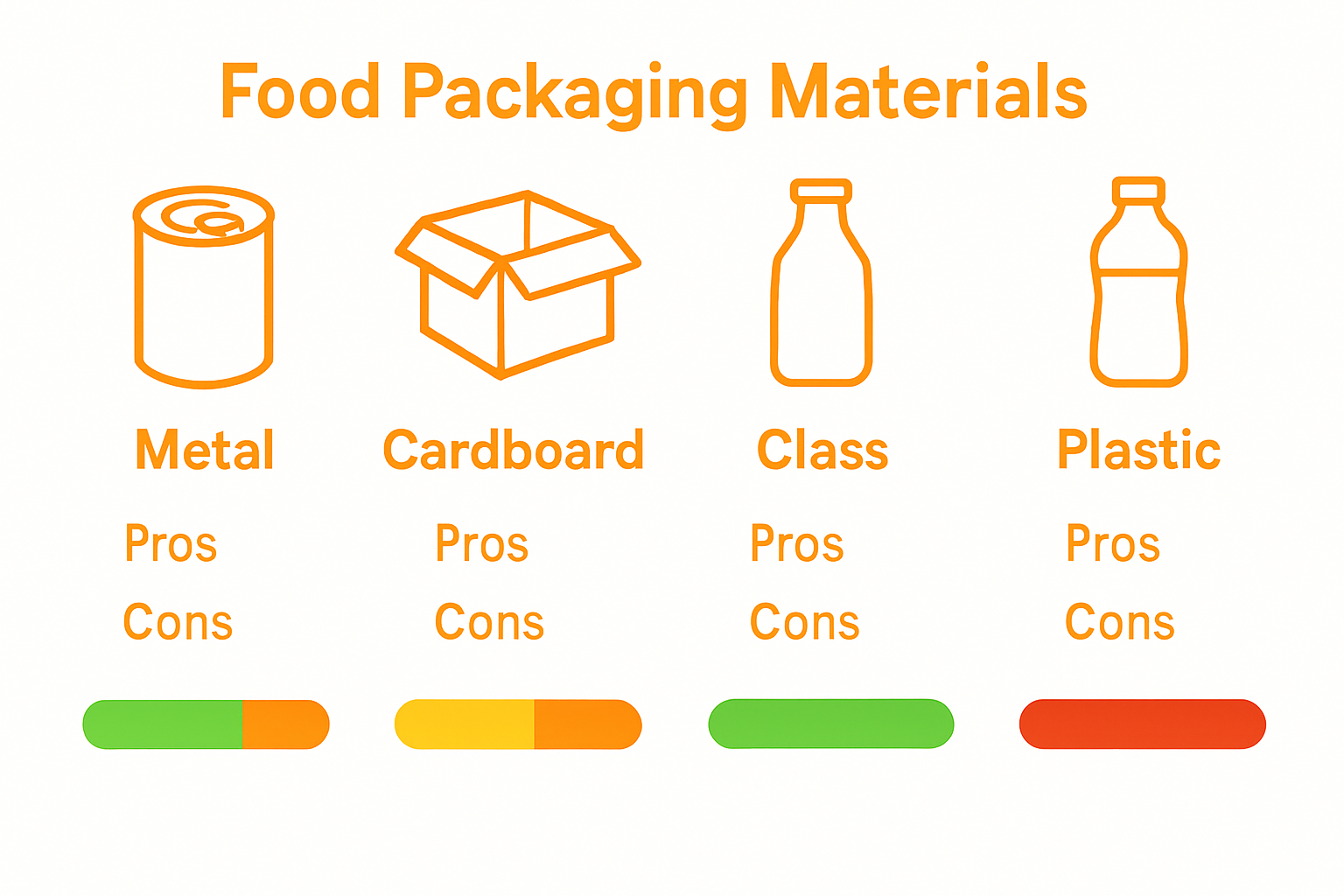
Food service delivery packaging encompasses a diverse range of materials, each with unique properties and applications. According to isbe.net, the food industry primarily utilises four fundamental packaging materials: metal, plant-based materials, glass, and plastic. Understanding these materials is crucial for selecting the most appropriate packaging solution for specific food service requirements.
Metal packaging offers exceptional durability and protection, commonly used for canned products and robust containers. Plant-based materials like paper and cardboard provide lightweight, biodegradable options increasingly favoured by environmentally conscious businesses. Glass containers remain popular for premium products, offering excellent transparency and preservation qualities. Plastic packaging, while versatile, requires careful selection to balance functionality with sustainability concerns.
Key considerations when selecting packaging materials include:
Each material presents distinct advantages and challenges.
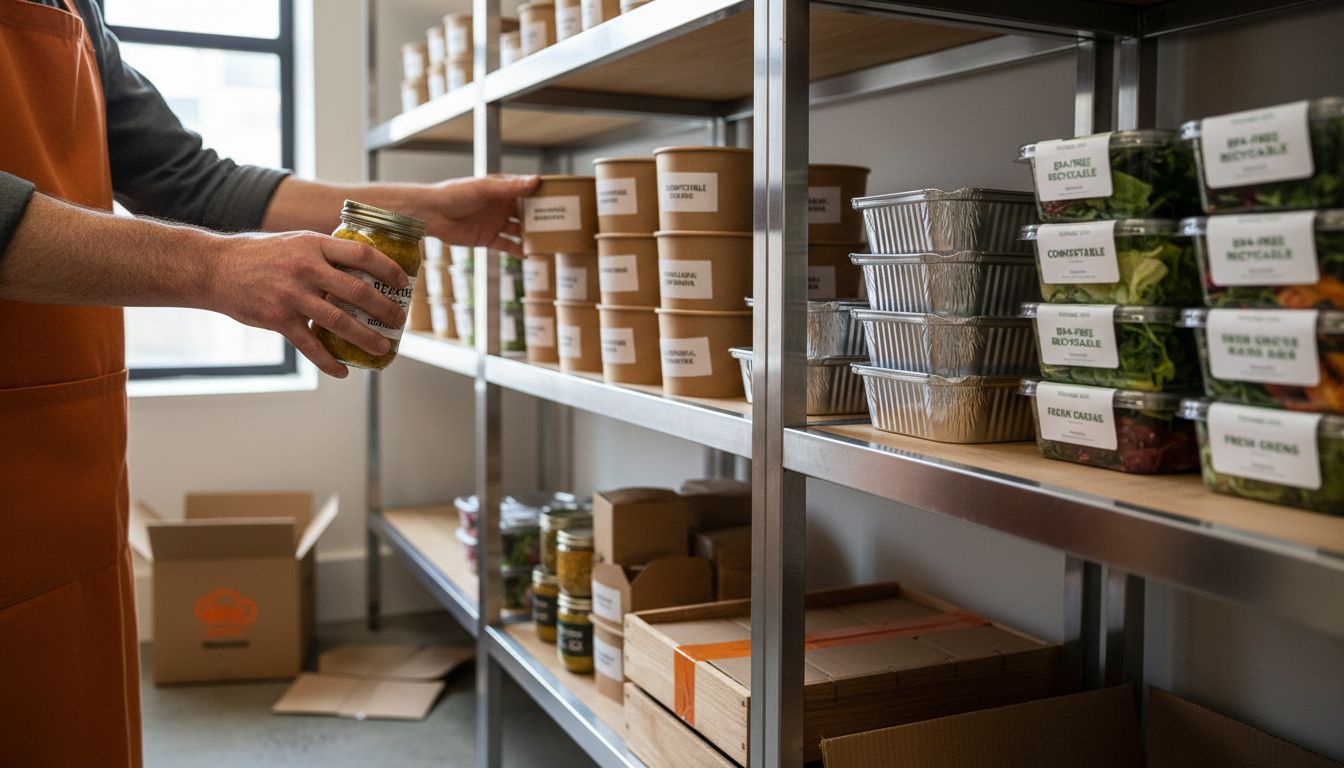 Sustainable food service businesses are increasingly prioritising materials that balance performance, cost, and environmental responsibility. The right packaging material can significantly enhance food quality, maintain product integrity, and communicate a brand’s commitment to excellence and ecological awareness.
Delivery packaging serves far more than a simple transportation function for food service businesses. According to isbe.net, packaging plays a critical role in protecting products from contamination, extending shelf life, and providing essential consumer information. These multifaceted capabilities transform packaging from a mere logistical requirement into a strategic business asset.
The strategic benefits of well-designed packaging extend across multiple business dimensions. Foodsafety.org emphasises that effective packaging directly impacts brand perception, consumer trust, and operational efficiency. By selecting appropriate packaging, businesses can communicate quality, demonstrate sustainability commitments, and differentiate themselves in a competitive marketplace.
Key functional benefits for food service businesses include:
Modern food service enterprises recognise packaging as a sophisticated tool for brand storytelling. The right packaging does more than protect food—it creates an immersive experience that begins the moment a customer receives their order, reflecting the business’s values, commitment to quality, and attention to detail.
Food service businesses must navigate a complex landscape of legal requirements governing delivery packaging. Verpackungsregister highlights the critical importance of understanding regulatory frameworks that ensure consumer safety, product integrity, and compliance across the food service sector.
The regulatory environment for food packaging is multifaceted, encompassing stringent standards that address material safety, labelling requirements, and potential contamination risks. According to isbe.net, manufacturers must adhere to precise FDA guidelines, particularly regarding materials that directly contact food products. These regulations mandate rigorous testing and certification to guarantee that packaging materials do not compromise food quality or pose health risks.
Key regulatory considerations include:
Compliance is not merely a legal obligation but a fundamental aspect of maintaining consumer trust. Food service businesses must remain proactive, continuously updating their packaging strategies to align with evolving regulatory landscapes, ensuring both legal adherence and the highest standards of food safety and consumer protection.
Delivery packaging has evolved from a purely functional requirement to a strategic business tool that encompasses branding, sustainability, and financial considerations. Modern food service businesses recognise that packaging represents a critical touchpoint for communicating brand identity, environmental commitment, and operational efficiency.
The strategic integration of packaging design goes far beyond mere product protection. Businesses can leverage packaging as a powerful marketing instrument, using custom designs, colours, and materials to create memorable brand experiences. Sustainability has become a particularly crucial consideration, with consumers increasingly favouring businesses that demonstrate environmental responsibility. Sustainable Packaging: Why Eco-Friendly Options Matter for Your Business highlights the growing importance of making environmentally conscious packaging choices.
Key strategic considerations include:
Successful businesses understand that packaging represents a nuanced investment balancing aesthetic appeal, environmental responsibility, and financial pragmatism. By thoughtfully selecting packaging solutions that align with brand values, businesses can transform a basic operational requirement into a compelling competitive advantage that resonates with environmentally conscious consumers.
The article emphasises the vital role of delivery packaging in safeguarding food quality, ensuring safety and hygiene, and reinforcing brand identity through sustainable and innovative materials. If you are facing challenges in maintaining food temperature, preventing leakages, or looking to enhance your customers’ first impression with eco-friendly, stylish packaging, it is time to act. Balancing legal standards and your commitment to sustainability while keeping costs manageable can be complex but essential for growing food service businesses.
Discover customised and ready-to-use packaging supplies designed specifically for the food service sector at Grab N Go Packaging. Our extensive range including disposables, containers, and bespoke printed items supports your goals of safety compliance, brand storytelling, and operational efficiency. Don’t settle for ordinary packaging that fails to protect and promote your meals. Visit Grab N Go Packaging today and transform your packaging into a powerful business asset that impresses customers and aligns with your sustainability promises.
Delivery packaging refers to specialised containers, wrappings, and materials designed to transport food products from preparation sites to customers. It plays a crucial role in preserving food quality, maintaining safety standards, and ensuring optimal delivery conditions.
Effective delivery packaging should have thermal insulation capabilities, a leak-proof design, sustainable material options, structural integrity during transport, and compliance with food safety regulations to ensure safety and quality.
The most commonly used materials include metal for durability, plant-based materials like paper and cardboard for biodegradable options, glass for premium product presentation, and plastic, which is versatile but requires careful selection to balance functionality and sustainability.
Well-designed delivery packaging can enhance brand visibility, communicate quality and sustainability commitments, and create a memorable experience for customers. It transforms packaging from a logistical requirement into a strategic asset that reflects the business’s values and professionalism.