Cart 0
How to Buy Takeaway Packaging Wholesale
If you are working through cups, containers, lids and bags every week, learning how to buy takeaway packaging wholesale is not a side task – it is part of protecting margin, keeping service moving and making sure every order leaves the counter properly packed. Buy too little and you pay more per unit. Buy the wrong format and you create waste, stock headaches and unhappy customers.
Wholesale buying works best when it starts with your menu, not a generic shopping list. A coffee shop, burger outlet, salad bar and fish and chip shop all need very different packaging mixes, even if they all serve takeaway. The most efficient buyers match each product line to a practical packaging format, then build an order around repeat-use essentials, sensible case quantities and supplier reliability.
How to buy takeaway packaging wholesale without overordering
The first step is to look at actual usage. Not what you think you use, but what leaves the building every day. Pull a few weeks of sales, split it by food and drink type, and work out your pack-to-order ratio. If you sell 1,000 hot drinks a week, that is not just 1,000 cups. It is cups, lids, sleeves if needed, carriers, stirrers, napkins and often sugar sachets or cup trays.
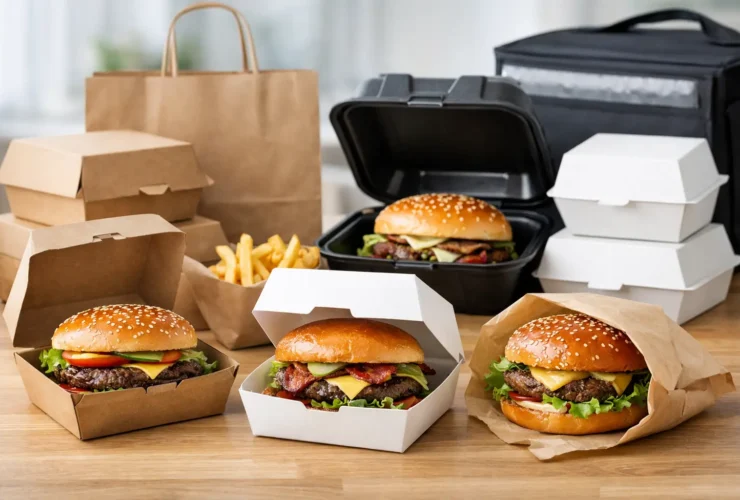
The same applies to food. Burgers need boxes or wraps. Loaded fries may need vented containers. Salads need deli bowls with secure lids. Pizza needs boxes in the right board grade. Fried food often needs greaseproof or foil-lined options that hold heat without turning soggy. When you map packaging to menu items properly, you stop buying broad categories and start buying working stock.
This is also where pack size matters. Wholesale pricing usually improves as volume rises, but only if your storage and cash flow can support it. There is no saving in buying a huge pallet of smoothie cups if your turnover is seasonal or your back room is already full. For many operators, the right answer is a balanced mix of larger-volume fast movers and smaller-case specialist lines.
Start with the packaging categories you use every day
Most food businesses do better when they consolidate purchasing across core categories instead of ordering from several suppliers. That is not only about convenience. It also helps with stock consistency, delivery planning and admin time.
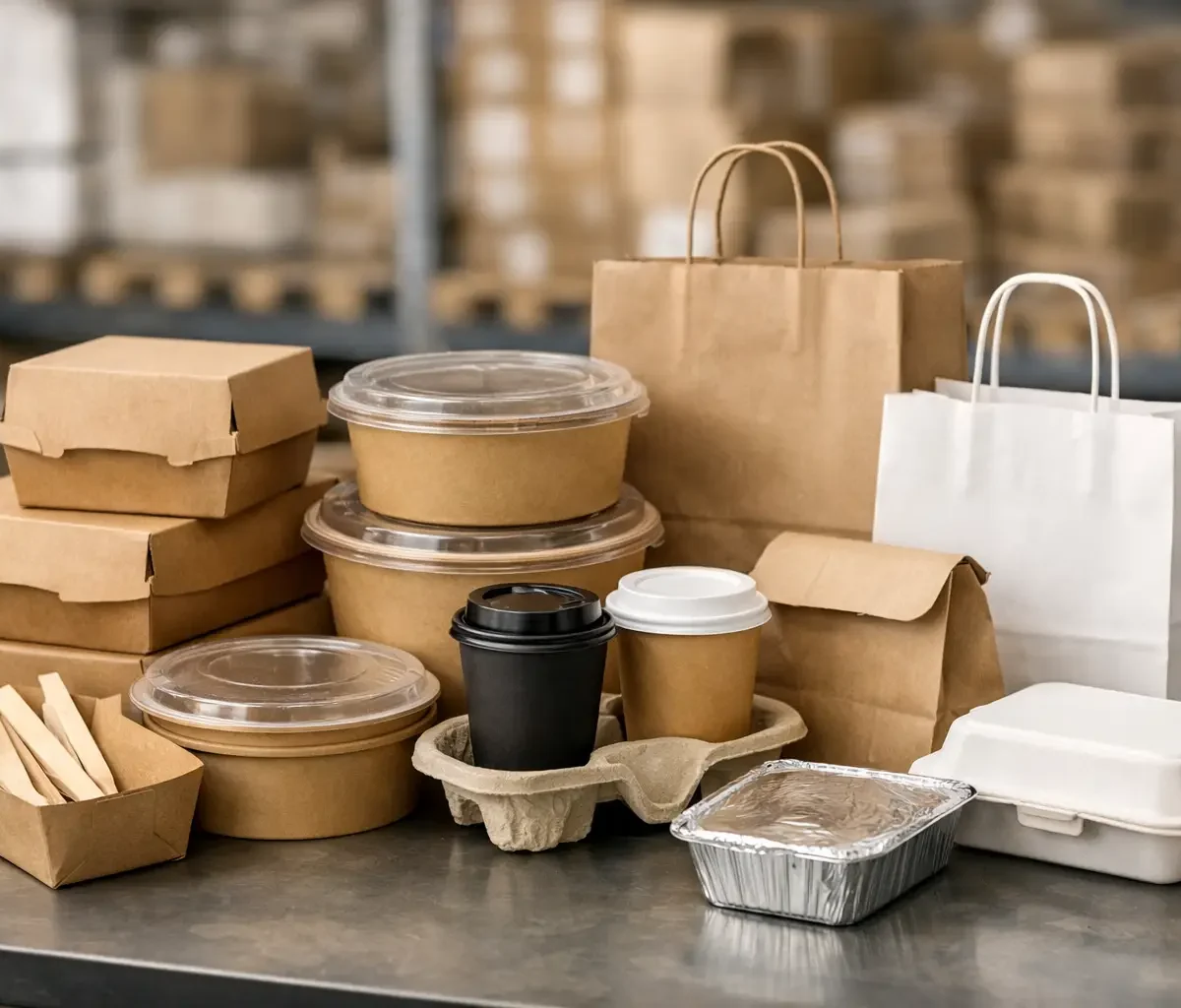
For most takeaway and foodservice sites, the regular wholesale order will sit across hot drink cups, cold cups, lids, takeaway containers, foil trays, burger boxes, pizza boxes, sandwich packaging, carrier bags, napkins, cutlery, greaseproof paper and cleaning supplies. If you are buying these from different places, you are likely carrying duplicate delivery charges, inconsistent case sizes and more invoice handling than necessary.
A one-stop supplier can simplify that, but range still matters. Breadth is only useful if the products are fit for purpose. A chicken shop needs packaging that handles heat, grease and transport. A café may care more about cup presentation, deli display and reliable lids for drinks on the move. A busy takeaway may need straightforward, cost-controlled containers that stack well and keep dispatch fast on peak nights.
Choose materials based on the food, not just the unit price
Cheap packaging can be expensive once food quality suffers. The right material depends on temperature, moisture, grease content and delivery time.
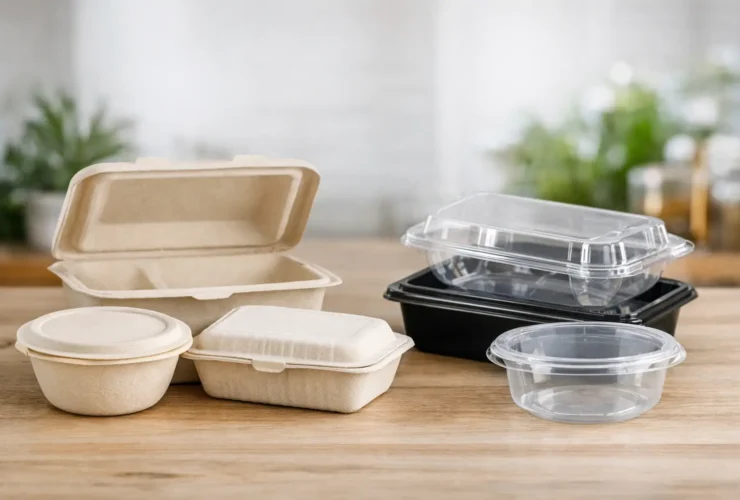
Board and paper-based packaging often works well for burgers, wraps, sandwiches and bakery items, especially where presentation matters. Foil trays are useful for hot meals and dishes that need structure and heat retention. Plastic deli bowls and clear containers can suit salads, cold foods, desserts and grab-and-go display. Bagasse products can be a practical option where operators want a fibre-based format with a clean, modern look.
There is always a trade-off. Better heat retention may create condensation. A stronger box may cost more but reduce complaints and remakes. A clear lid may improve food presentation but change your case cost. The smart wholesale buyer looks at total performance, not just the line price.
Food safety and product suitability should be non-negotiable. Check that containers, cups, lids and wraps are intended for the use you have in mind, especially for hot contents, oily foods or microwave reheating if that applies to your operation. If you are serving delivery, test items after 15 to 20 minutes in transit rather than only at the pass.
Check the real cost before placing a large wholesale order
When buyers compare prices, they often stop at price per case. That is too narrow. You need to know the usable cost per serving and the operational cost around it.
A cheaper cup with an unreliable lid can slow service and cause spills. A container that does not stack neatly can take up more storage and create picking errors during a rush. A flimsy carrier bag may fail under weight, which quickly turns into a customer service issue. The case price matters, but so do labour, wastage and consistency.
It helps to compare products on a common basis. Look at units per case, cost per unit, storage footprint and whether matching accessories are easily available. If a supplier has cups but limited lid options, or boxes without the right inserts or wraps, the lower headline price may not be worth much in practice.
Lead time is another hidden cost. If you are always ordering late because stock lines are unpredictable, you end up paying for emergency top-ups, split orders or substitute products that do not match your normal service. Reliable availability is part of value.
How to buy takeaway packaging wholesale for branding as well as function
Once the basics are right, branding becomes more than a nice extra. Printed cups, personalised greaseproof paper and other bespoke packaging can make everyday service look sharper and more established, especially in competitive local markets.
This is particularly useful for cafés, dessert operators, burger brands and fast-casual sites where packaging appears in customer photos, desk lunches and delivery handovers. A plain box does the job. A clean, branded one can strengthen recall without changing the food itself.
That said, branded packaging works best when used selectively and ordered with realistic volumes. If your design changes often, or you are still refining your offer, tying up too much stock in printed items may not be ideal. Many operators keep core lines plain and invest in branding where it gets seen most – coffee cups, greaseproof, stickers or selected food boxes.
For growing businesses, this staged approach usually makes sense. It keeps ordering practical while still improving presentation. Suppliers with both stock and bespoke options are useful here because you can build around standard essentials and add branded lines when volumes justify it.
Supplier checks that save problems later
A wholesale supplier should make buying easier, not create more admin. Before you commit to larger orders, look at the basics closely.
Range is one part of it, but not the only part. You want clear product specifications, trade-friendly case quantities, dependable stock levels and straightforward ordering. It also helps if the supplier understands foodservice categories properly. There is a difference between general packaging stock and category-led supply for coffee shops, takeaways and hospitality businesses.
Ask practical questions. Are matching lids and containers easy to find? Are the dimensions and capacities clear? Are there alternatives if one line is temporarily unavailable? Can you combine front-of-house items with back-of-house consumables and cleaning products in the same order? These points affect day-to-day buying more than polished marketing copy ever will.
For UK operators, delivery expectations also need to be realistic. Fast service matters, but accuracy matters more. A missing sleeve of lids on a busy weekend can cause more disruption than a small delay on a non-urgent line.
Build a repeatable ordering system
The best wholesale buying process is boring in the right way. It should be predictable, easy to manage and tied to your sales pattern.
Set minimum stock levels for your top lines and review them weekly. Group products into fast movers, steady lines and occasional-use items. Cups, lids, carrier bags and napkins may need frequent reordering. Specialist containers for seasonal dishes might only need smaller top-ups. This prevents both panic buying and dead stock.
It is also worth standardising where you can. If two menu items can use the same container size without compromising presentation, that reduces complexity. Fewer formats usually mean easier storage, simpler ordering and stronger buying power on the lines you use most.
Where possible, sample before scaling. Test one or two options for key products such as hot cups, burger boxes, foil trays or deli bowls, then commit once you know how they perform in service. A small trial is cheaper than correcting a large wholesale mistake.
For buyers who want fewer moving parts, suppliers such as Grab & Go Packaging Ltd can be useful because they combine everyday takeaway essentials with bespoke printed options in one trade-focused range. That kind of setup suits operators who want to streamline purchasing without narrowing their packaging choice.
Wholesale packaging buying is not about chasing the lowest figure on a case price. It is about choosing stock that fits your food, your service speed, your storage space and the way customers actually carry and eat your product. Get that right, and packaging stops being a recurring problem and starts doing the quiet work it should.