Cart 0
Bagasse vs Plastic Containers: Which Fits Best?
A hot curry that sweats through the lid, a salad that loses its crispness, or a delivery order that arrives looking cheap – these are the moments when packaging choices stop being theoretical. For food operators weighing up bagasse vs plastic containers, the right answer usually comes down to menu type, service model and margin, not trends.
If you run a café, takeaway, street food unit or multi-site food business, the container has a job to do. It needs to protect the food, hold up in transit, suit the portion, support presentation and still make commercial sense when you are ordering in bulk. That is why the bagasse versus plastic question is less about which material is universally better and more about which one works harder for your operation.
Bagasse vs plastic containers for foodservice
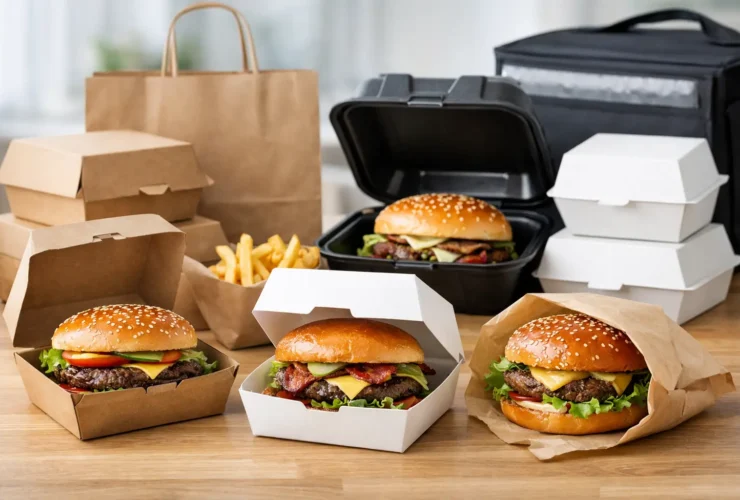
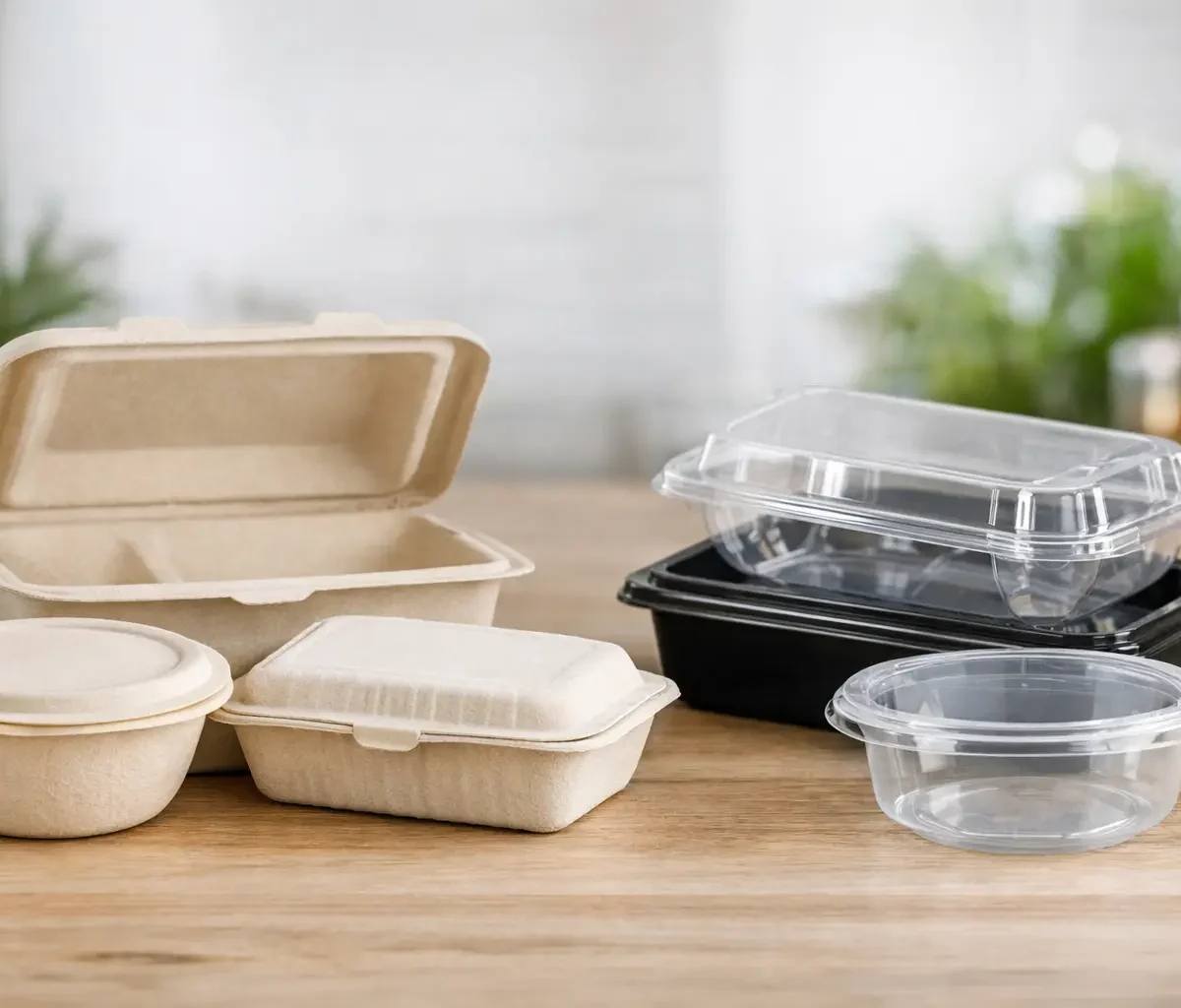
Bagasse containers are made from sugarcane fibre, which gives them a more natural, matte finish than plastic. They are often chosen for hot food, loaded meals, burgers, rice boxes and plated takeaway where appearance matters as much as function. They tend to feel more substantial in the hand, which can help with perceived food quality.
Plastic containers cover a broader range of formats, from deli pots and salad bowls to hinged boxes, sauce tubs and microwaveable meal prep packs. They are widely used because they are clear, lightweight and familiar. For chilled food, visible contents and stackability, plastic often remains the more straightforward option.
The decision gets easier when you look at real service conditions. A grab-and-go salad bar has different needs from a chicken shop doing evening delivery. A coffee shop with a compact hot food offer may need one all-round container, while a busy takeaway may need several formats across hot, cold, sauced and fried items.
Heat, moisture and food performance
For many operators, performance under heat is where bagasse starts to stand out. It generally handles hot mains, sides and freshly cooked meals well, especially when the food is going straight from kitchen to customer. Bagasse also gives a more premium look for hot takeaway, which suits businesses that want packaging to support presentation without moving into expensive bespoke formats.
That said, bagasse is not automatically the best option for every hot item. Foods with very high oil content, heavy sauces or extended hold times can expose weaknesses depending on the container design and lid fit. The material may insulate better in some cases, but steam build-up still needs managing. If the container traps moisture, crispy food can soften on the journey.
Plastic containers vary more by product type. Some are better for reheatable prepared meals, while others are better suited to deli counters and cold display. Clear plastic can work well when the visual appeal of the food drives the sale. Customers like seeing pasta salads, fruit pots and layered desserts before they buy. Bagasse cannot offer that same visibility.
For chilled items, plastic often has the edge on condensation control and product display. For hot, filled meals and takeaway dishes where appearance matters after packing, bagasse can be a strong fit. The best choice depends on whether your biggest risk is sogginess, leakage, heat loss or poor presentation.
Leak resistance and delivery use
If you rely on third-party delivery or long travel times, leak resistance matters more than almost any sustainability claim or design preference. A container that works perfectly for walk-in trade may fail once it spends 20 minutes in a rider bag.
Bagasse containers can perform well, but not all formats are equal. Hinged clamshells are useful for burgers, chips and dry-to-medium moisture foods, while some bagasse meal boxes cope well with rice, noodles and mixed mains. The weak point is often the seal. If the lid closure is not tight enough for liquid-heavy dishes, movement during delivery can become a problem.
Plastic usually offers more secure closure options, especially for soups, sauces, deli foods and meals with a lot of gravy or dressing. Where tamper evidence, stacking and transport are central to service, plastic can still be the safer operational choice. Clear lids also help delivery teams and customers identify items quickly, which reduces mistakes on multi-item orders.
This is where practical range planning matters. Many food businesses do not need to choose one material across the board. They need the right material for each food type. Bagasse for burgers and hot boxes, plastic for sauces, salads or high-liquid dishes, and matching lids and carriers that keep the order intact.
Cost, storage and bulk buying
Price always matters, especially when containers are a daily repeat purchase across hundreds or thousands of orders. Plastic is often chosen because it can offer a lower unit cost in some lines, particularly standardised formats bought at volume. It is also widely available across many sizes, which helps operators keep purchasing simple.
Bagasse can cost more per unit depending on the format, but that does not automatically make it poor value. If it improves food presentation, reduces complaints or better matches your brand position, the extra cost may be justified. A slightly higher packaging cost can be workable if it supports better average order value or stronger customer perception.
Storage is another practical point. Plastic containers are often lighter and can be very space-efficient depending on the shape. Bagasse can be bulkier in some formats, which matters if your back-of-house space is tight. For smaller shops and kiosks, storage efficiency can influence buying just as much as product performance.
Operators should also think about stock complexity. Too many container types can create ordering confusion, tie up cash and increase the chance of staff using the wrong pack. In wholesale purchasing, the strongest setup is usually a streamlined packaging range that covers your core menu well rather than trying to solve every use case with a different box.
Presentation, branding and customer perception
Packaging is part of the meal experience. That is especially true for takeaway, delivery and grab-and-go, where the container replaces the plate. Bagasse tends to give a more natural, food-led look. For cafés, premium takeaways and fast-casual brands, that finish can make simple menu items look more considered.
Plastic has different strengths. Its clarity is useful for fresh food retail, desserts and cold display, and it can help products sell visually before the customer even picks them up. A neatly packed salad bowl or deli pot often benefits from being seen.
If branding is part of your growth plan, think beyond the container alone. Sometimes the best route is using a standard stock container and adding branded greaseproof, labels, cup printing or personalised outer packaging. That can give you stronger brand recognition without forcing every packaging line into one material choice.
For businesses buying from a broad supplier, this is where range depth helps. You may want bagasse boxes for hot food, clear plastic pots for cold sides, and branded cups or printed wraps to tie the experience together. Grab & Go Packaging Ltd works with operators who need that mix rather than a one-size-fits-all answer.
Which container is right for your menu?
If your menu is built around burgers, loaded fries, rice meals, breakfast baps or hot lunch service, bagasse is often worth serious consideration. It looks smart, suits many hot food formats and can elevate presentation without making service complicated. It is also a useful option for operators who want a more natural-looking pack in front of the customer.
If you sell salads, pasta pots, desserts, sauces, fruit, deli items or chilled grab-and-go, plastic may still be the more practical choice. The ability to show the product clearly, seal it securely and stack it efficiently has real day-to-day value.
If you run a mixed menu, the answer is usually both. Standardise where possible, but do not force one material onto dishes it does not suit. Match the container to the food, travel time and service style. That is how you protect margins and keep packaging working as an asset rather than a problem.
The best packaging decision is rarely the loudest one. It is the one that keeps food intact, service moving and customers happy enough to order again.