Cart 0
Best Burger Boxes for Delivery That Work
A burger can leave the kitchen looking spot on and still arrive flat, soggy or lukewarm. For takeaway operators, that gap between pass and customer matters. The best burger boxes for delivery are the ones that protect build, manage steam, hold heat sensibly and keep service moving during a busy shift.
That means choosing more than a box that simply fits the burger. You need packaging that suits your menu, your delivery radius, your packing speed and your budget. A smash burger with a soft brioche bun has different needs from a stacked chicken fillet burger with loaded fries on the side. If the box is wrong, the food quality drops before the driver reaches the door.
What makes the best burger boxes for delivery?
The right burger box does three jobs at once. First, it keeps the burger secure so the bun, fillings and sauces stay in place. Second, it manages moisture well enough to avoid a steamed bun and softened crust. Third, it presents the food properly when the customer opens the order.
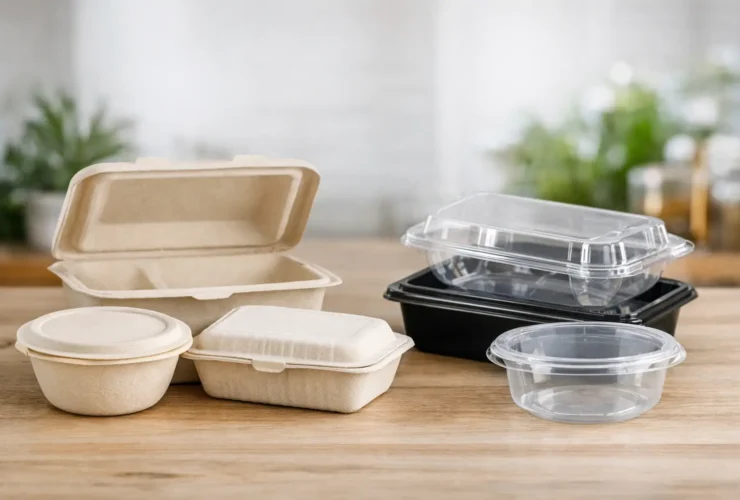
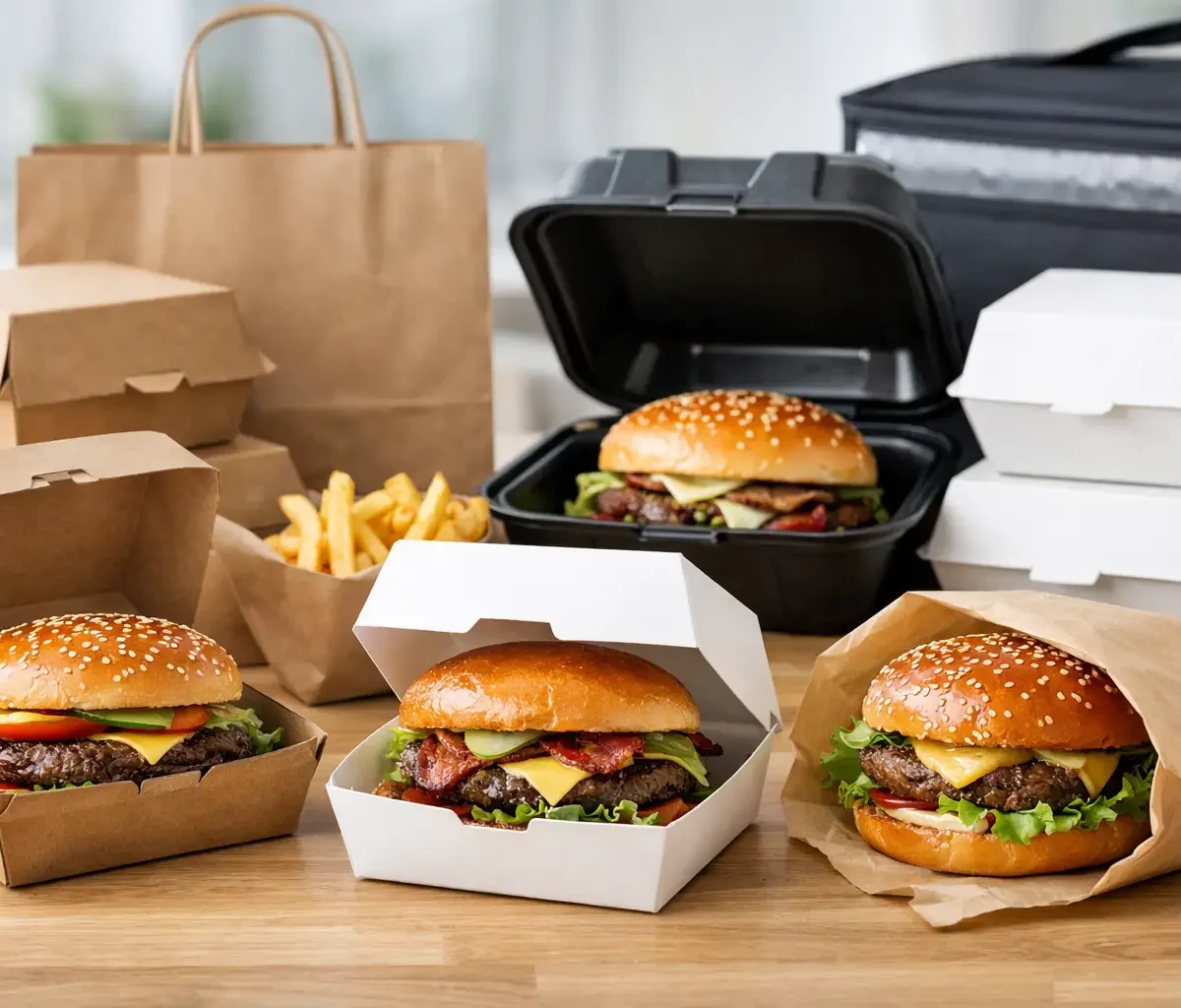
Material plays a big part here. Board burger boxes are a reliable choice for many takeaways because they offer a solid structure, stack well and give a clean presentation. Foam alternatives can hold heat effectively, but many operators now prefer paperboard or bagasse formats for practicality, presentation and changing customer expectations around packaging. Bagasse can work well for hot food and has a more premium feel than many low-cost formats, but the exact performance still depends on the design of the lid, hinge and vents.
Shape matters too. A clamshell style is usually the most efficient for burger service because it is quick to pack and easy for customers to handle. The depth needs enough clearance to avoid crushing the bun, especially if you run tall builds, seeded brioche or loaded toppings. If your burger menu includes double patties, onion rings or skewered builds, standard shallow boxes can create problems very quickly.
Size and fit matter more than most operators expect
A common packaging mistake is buying one burger box for the whole menu. It looks efficient on paper, but in practice it can create waste and inconsistency. If the box is too large, the burger shifts in transit. If it is too tight, the lid presses down on the bun and pushes sauce into the wrapper or corners.
For a tighter menu, one standard burger box may be fine. For broader takeaway menus, it is often better to carry two sizes: a regular box for classic burgers and a deeper or wider option for premium builds. That gives your team a better fit without slowing service.
You also need to think about side items. Some operators pack burgers in a single clamshell and place fries separately. Others use larger compartments or meal boxes for combined orders. There is no universal right answer. Separate packaging usually protects texture better, especially for fries, but combined formats can reduce packing time and simplify delivery handling. The trade-off is heat and steam transfer between items.
Ventilation and heat retention need balance
Heat matters in delivery, but trapped steam is often the bigger issue. A burger that stays very hot inside a fully sealed box can lose texture fast. The bun softens, salad wilts and any crisp coating suffers. This is why the best burger boxes for delivery are not always the ones that feel the most airtight.
A small amount of ventilation can improve eating quality on arrival. It helps release excess moisture while keeping the product warm enough for the journey. This is particularly useful for fried chicken burgers, breaded fillets and burgers with high sauce content. On the other hand, if your average delivery run is longer, too much venting may let heat drop too quickly.
This is one of those areas where your menu and delivery model decide the best option. Aggregator-led orders travelling 15 to 20 minutes need a different packaging setup from local collection or short-distance in-house delivery. Testing boxes on actual orders, not just in-store packing, is the best way to judge performance.
Grease resistance is not optional
A burger box needs to cope with fat, sauce and condensation without losing structure. Once the base softens or the lid absorbs too much grease, presentation falls away and leakage becomes more likely. That affects the customer experience and can damage outer bags as well.
For beef burgers, fried chicken and loaded menu items, grease-resistant coatings or well-finished food-grade board are worth prioritising. This is especially important if you serve saucy burgers or add extras such as melted cheese, burger sauce or slaw. The box should hold up from kitchen pack to doorstep handover without going limp.
You may also want to use greaseproof paper inside the box. This can improve presentation, add a little protection and support branding if you use printed sheets. It is a simple addition, but for many operators it helps create a more polished delivered product.
Best burger boxes for delivery by menu type
If you run a classic takeaway burger menu, a sturdy board clamshell with a secure closure is usually the safest all-round choice. It is quick for staff to use, easy to stack and practical for standard cheeseburgers, chicken burgers and plant-based options.
For premium burger concepts, deeper clamshell boxes tend to work better. Tall buns, layered fillings and premium presentation all need more headroom. A box with slightly stronger walls and a neater finish can make a visible difference when the order is opened.
For smash burger operations, the priority is preventing steam build-up while still containing juices. These burgers often travel well if the box is sized properly and not overfilled, but they can deteriorate fast in packaging that traps too much moisture.
For meal deals and family orders, it is worth considering how the burger box performs inside a larger delivery bag with drinks, sides and extras. Even a good individual box can fail if the overall order is packed too tightly. Outer packaging, cup carriers and side containers all affect the final result.
Practical buying points for trade customers
When buying in bulk, unit cost matters, but the cheapest burger box is not always the lowest-cost option over time. If poor packaging leads to more remakes, complaints or discounting, the saving disappears quickly. Operators usually get better value by choosing boxes that are dependable through peak service and varied order volumes.
Stock consistency matters as well. If you are running a busy takeaway or a growing multi-site operation, the last thing you want is to keep switching box formats because supply is patchy. Buying from a supplier with a broad range of takeaway packaging helps keep standards consistent across burgers, sides, drinks and bags.
Pack size is another practical point. Smaller cases may suit independent sites with tighter storage. Larger volume packs can make more sense for high-turnover outlets watching cost per unit. The right answer depends on your storage space, reorder pattern and how many menu lines share the same packaging.
Branding can do more than improve appearance
Delivery strips away some of the atmosphere customers get in-store, so packaging does more of the brand work. A plain burger box can still do the job operationally, but branded presentation adds value if you are trying to stand out in a crowded takeaway market.
This does not always mean fully printed burger boxes from day one. For many businesses, branded greaseproof paper, stickers or coordinated outer packaging can create a more recognisable look without complicating every packaging line. As volumes grow, bespoke packaging becomes easier to justify.
For operators buying across multiple categories, this is where a one-stop packaging supplier can help. It is easier to keep your burger boxes, cups, bags, napkins and greaseproof products aligned when they are sourced together, rather than pieced together from several wholesalers.
How to choose the right burger box for your operation
Start with the food itself. Measure your core burgers, including height, not just width. Then look at your busiest order types: single burger, burger and fries, premium burger, family bundle. Your packaging needs to work for the orders you sell most, not just the ones that photograph best.
Next, test for delivery conditions. Pack live products, hold them for the average dispatch time, then check them again after a realistic journey. Look at bun texture, heat, leakage and presentation. Ask whether the box keeps quality where it needs to be, not whether it keeps the food perfect, because delivery always involves compromise.
Finally, look at the whole packing line. The best burger box is one your team can use quickly and correctly during service. If closures are awkward, stacks slip or the box takes too long to assemble, that becomes a problem at peak times. Good packaging should support speed as well as food quality.
For most takeaway businesses, the smart choice is a sturdy clamshell burger box with the right depth, decent grease resistance and sensible ventilation, backed by packaging that fits the rest of the order. If you can pair that with consistent stock, trade pack sizes and branding options, you are not just boxing a burger – you are protecting the sale all the way to the customer’s hands.
A good burger deserves better than a box that merely closes around it. Choose packaging that travels as hard as your kitchen does.