Cart 0
Foodservice Packaging Buyer Guide
The wrong packaging usually shows up where it hurts most – soggy chips, leaking curry, coffee lids that do not stay put, or three suppliers delivering on three different days. A practical foodservice packaging buyer guide starts with daily service, not just unit price. If packaging slows prep, affects food quality or creates stock headaches, it costs more than it saves.
For most food businesses, the best buying decisions come from matching packaging to menu, service style and reorder frequency. A café needs speed at the coffee station and strong presentation on the go. A takeaway needs containers that hold heat, travel well and stack efficiently. A multi-site operator needs consistency across cups, lids, boxes, bags and cleaning supplies so ordering stays simple and staff know exactly what to pick.
How to use this foodservice packaging buyer guide
Buy packaging as an operating system, not as a collection of separate items. Cups affect lid fit. Burger boxes affect bag size. Greaseproof paper affects presentation and grease control. If you buy each line in isolation, you can end up with mismatched stock, wasted space and uneven customer experience.
Start by looking at four practical questions. What are you serving, how far is it travelling, how fast do staff need to pack it, and what do customers see first? Those answers shape almost every packaging choice more accurately than chasing the cheapest case price.
Start with your menu and service model
A lot of buying mistakes happen because businesses choose generic packaging for very specific food. Hot drinks, cold drinks, fried food, deli salads and loaded takeaway meals all behave differently in transit. Heat retention, venting, grease resistance, rigidity and lid security matter in different ways depending on the product.
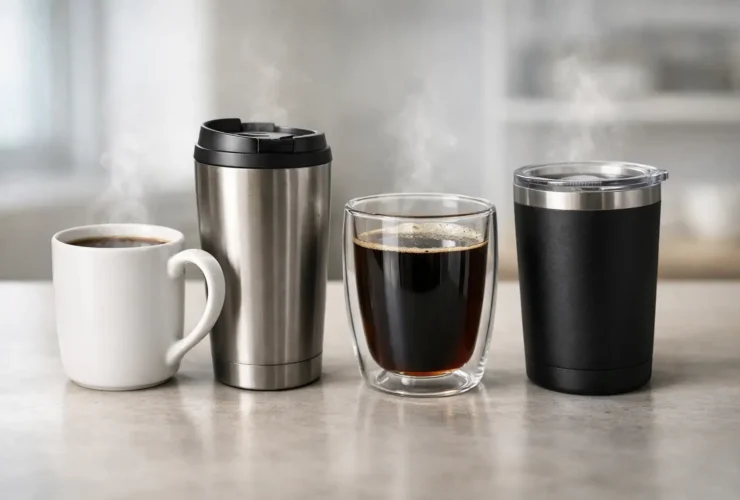
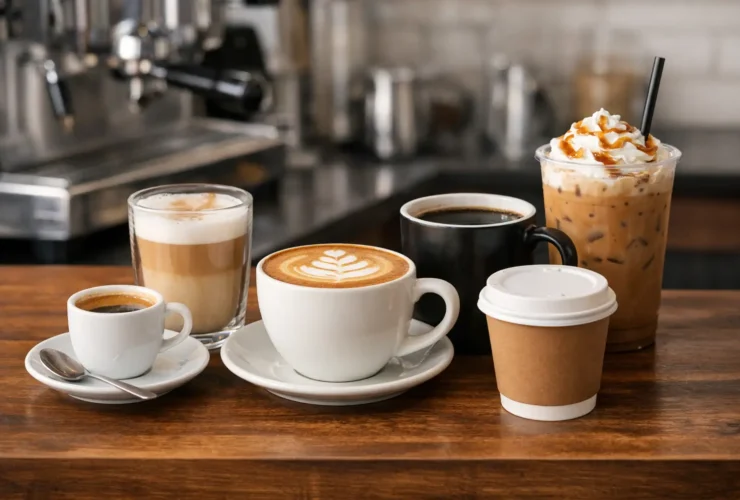
For coffee shops and cafés, cup size range is usually the first pressure point. If your menu centres on regular coffee trade, a clean range of sizes with reliable matching lids keeps service quick and ordering straightforward. If you also sell iced drinks and smoothies, you need cold cups that show the product well and still handle condensation without turning slippery in the customer’s hand.
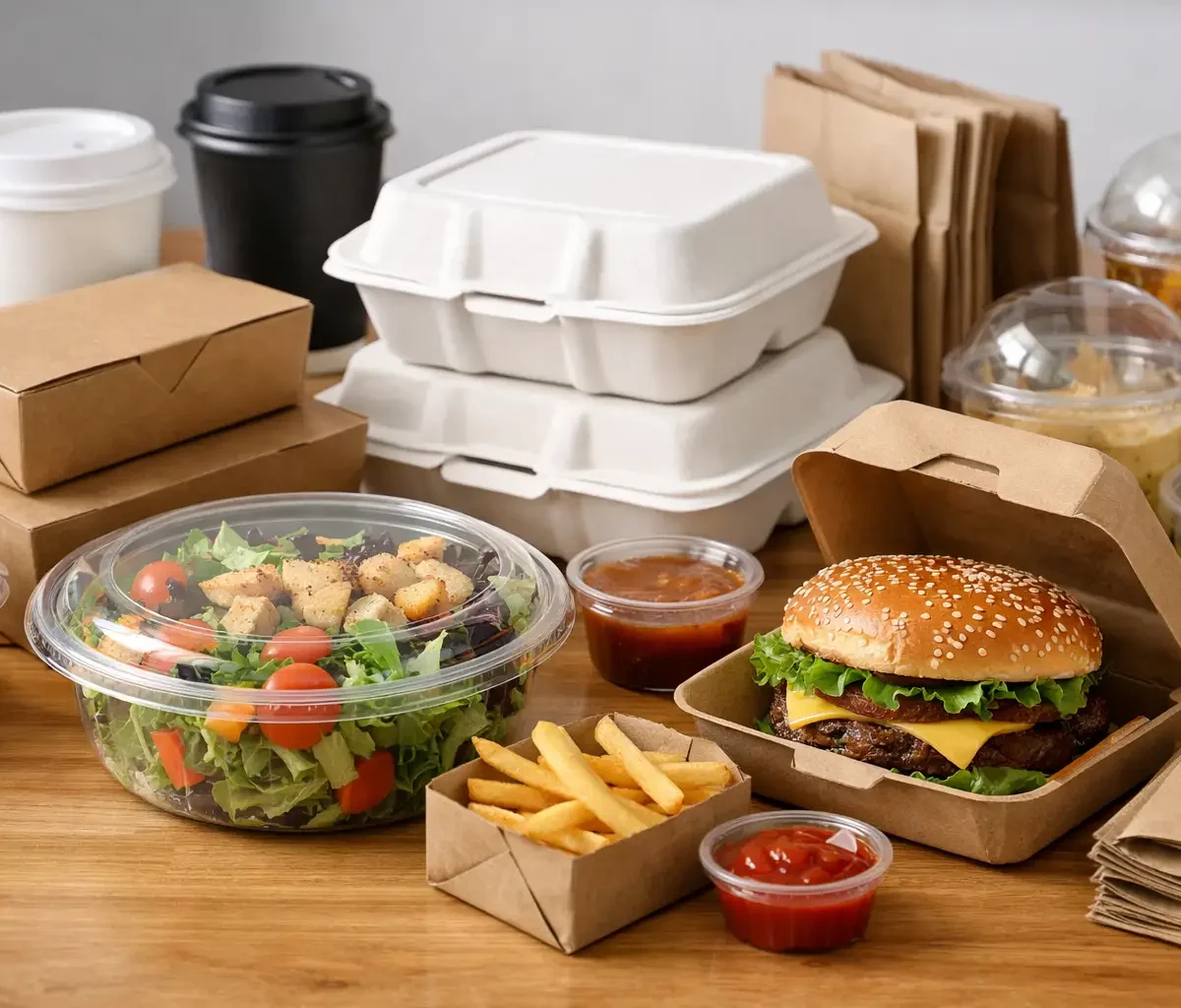
For takeaways, food format matters more than broad category. A burger box that works for a standard cheeseburger may not suit taller builds with sauces and sides. A foil tray may be ideal for hot meals and oven-finished dishes, but less suitable if presentation at handover is part of the sale. Fish and chip shops, chicken shops and fast-casual operators usually need packaging that balances heat, crispness and speed of packing. There is always a trade-off. Tight closure can help transit, but too little venting can soften fried food.
Prioritise fit, function and speed
Packaging has to work on a busy shift. That means lids should fit first time, containers should be easy to stack and staff should not need to second-guess sizes. If a line is awkward to open, hard to separate or fiddly to close, it adds friction all day long.
This is where category planning pays off. Buying cups and lids as matched ranges reduces errors. Standardising deli bowls and lids across a few core sizes helps with prep and storage. Choosing carrier bags that comfortably fit your most common boxed orders avoids repacking at the till.
Storage footprint also deserves more attention than it usually gets. Bulk buying saves money, but only if your stockroom can hold the cases sensibly and staff can rotate them properly. If oversized packs create clutter or damage, the headline saving may disappear. For smaller sites, it can be better to buy fewer formats with stronger crossover use than too many niche lines.
Buy for delivery as well as collection
Collection and delivery put different pressure on packaging. For collection, presentation often leads the decision. For delivery, structural reliability matters more. The customer may not see the order for twenty minutes, and that journey exposes every weak point.
Containers for saucy or layered meals need secure lids and enough rigidity to avoid flexing in the bag. Pizza boxes need to protect heat without trapping too much moisture. Sandwich wedges need clarity and shelf appeal, but they also need to hold shape in chilled display. Deli bowls should look fresh and premium while still being practical for stacking and transport.
If a large share of your sales goes through delivery platforms, test packaging with real orders rather than judging it by appearance on the shelf. Check how it performs after ten, twenty and thirty minutes. A box that looks good at pack-out can fail badly by the time it reaches the door.
Keep the range broad, but the buying simple
The strongest packaging setup is usually not the biggest range. It is the cleanest range for your operation. Too many overlapping SKUs tie up cash and make ordering messy. Too few can force bad substitutions when menus change or demand spikes.
A sensible approach is to build around your core service lines. One hot cup range, one cold cup range, a controlled set of takeaway containers, dependable greaseproof, the right bags, and essential front-of-house and cleaning supplies. From there, add specialist items only where they solve a clear problem.
This is why many buyers prefer a one-stop wholesale supplier. Bringing everyday lines into one account cuts admin, improves consistency and makes repeat purchasing easier. It also helps when you want categories to work together, such as cups with lids, boxes with bags, or branded wraps with burger packaging.
Cost matters, but so does waste
Unit price is important, especially for high-volume operators, but it is only one part of the cost. Broken lids, crushed boxes, over-specified containers and poor stock control all add waste. So do products that force staff to double-pack orders because one item alone does not do the job.
Look at cost per served item rather than case price in isolation. If a slightly better container prevents leaks, supports presentation and reduces customer complaints, it may be the cheaper option overall. The same goes for bags with the right strength and size. If they hold the order properly first time, they save both repacking time and replacement costs.
For businesses with seasonal peaks, flexibility matters as well. Buying too heavily before demand is proven can leave you sitting on slow-moving stock. Buying too narrowly can leave you exposed when a menu line takes off. Good packaging buying is part forecasting, part standardisation.
Where branded packaging earns its keep
Plain stock packaging is the right fit for many lines, especially where speed and value lead the decision. But branded packaging can do more than improve appearance. It can make your business look more established, more consistent and more memorable, particularly in takeaway and coffee.
Personalised coffee cups and printed greaseproof paper are often the most accessible place to start. They are visible, practical and tied closely to the customer experience. A branded cup turns every takeaway drink into mobile advertising. Printed greaseproof can lift burgers, bakery items and wraps without changing your service flow.
That said, branded packaging works best when the base product is already right. There is no value in printing on a cup lid combination that frustrates staff or a wrap that does not handle grease properly. Get the function right first, then add branding where it will be seen and repeated often.
Questions to ask before you place a bulk order
Before committing to volume, check a few practical points with your team. Which items do you burn through every week without fail? Which lines create complaints? Which products are being used as substitutes because the correct format is missing? These answers often reveal where your spend should be tightened.
It is also worth checking whether your current range still reflects your menu. Businesses change over time. A shop that started with coffee and cakes may now need smoothie cups, salad bowls and takeaway meal containers. A takeaway that once focused on walk-ins may now rely heavily on delivery. Packaging should move with the business.
If you are reviewing suppliers, look beyond price lists. Range depth, stock reliability, sensible pack sizes and access to bespoke options all affect day-to-day value. For many operators, that is where a trade-focused supplier such as Grab & Go Packaging makes the difference – fewer gaps, fewer workarounds, and easier reordering across the categories you use every day.
A practical buying standard for every site
Whether you run one café or several takeaway sites, aim for packaging that does three jobs well. It should protect the food, keep service efficient and present the order properly. If one of those three is missing, the packaging is not doing its share of the work.
The best buying decisions are rarely the flashiest ones. They are the ones that keep the pass moving, the shelves tidy and the customer experience consistent from the first coffee of the morning to the last delivery of the night. Choose packaging that suits the reality of your service, and the rest of the operation gets easier.