

Effective packaging design can make or break your food business in today’s competitive UK market. With customers making split-second decisions on crowded shelves, your packaging must communicate quality, trustworthiness, and value instantly. Many food operators struggle to balance eye-catching design with clear information, often falling into the trap of over-design that confuses rather than attracts. This guide delivers practical, actionable tips to help you create packaging that enhances your brand presence, builds customer trust, and drives sales without overwhelming your audience.
| Point | Details |
|---|---|
| Clarity over complexity | Restrained designs with clear typography signal premium quality and avoid customer confusion |
| Visibility drives sales | Structural features like tear-away panels improve shelf presence and product recognition |
| Honesty builds trust | Accurate visual representation prevents misleading health claims and protects brand reputation |
| Functionality matters | Proper sealing and sustainable materials reduce waste whilst enhancing customer experience |
Your packaging design must work hard to attract attention whilst communicating essential information clearly. The foundation of effective packaging lies in establishing criteria that guide every design decision you make. Start by prioritising clarity in your typography and graphics. Customers should immediately understand what your product is, who makes it, and why they should choose it over competitors.
Visual hierarchy is crucial for directing customer attention to the most important elements. Your brand name, product type, and key differentiators should stand out without creating visual chaos. Over-designed food packaging fails to connect in the UK market when it prioritises decorative elements over functional communication. Restraint signals premium quality, whilst clutter suggests a cheap or confusing product.
Consider these essential design criteria:
Pro Tip: Test your packaging design by viewing it from three metres away. If the key information isn’t immediately clear, simplify your design further.
Accurate product representation builds trust with your customers. Avoid the temptation to embellish or create unrealistic expectations through your visuals. When customers receive exactly what your packaging promises, they’re more likely to become repeat buyers. This honest approach aligns with food packaging best practices that prioritise transparency and customer satisfaction.
Structural design elements can dramatically improve how your products perform on retail shelves. The right packaging choices help your brand stand out in crowded environments where customers browse quickly and make snap decisions. Understanding how customers interact with products in different retail settings allows you to design packaging that works with their natural browsing behaviour.
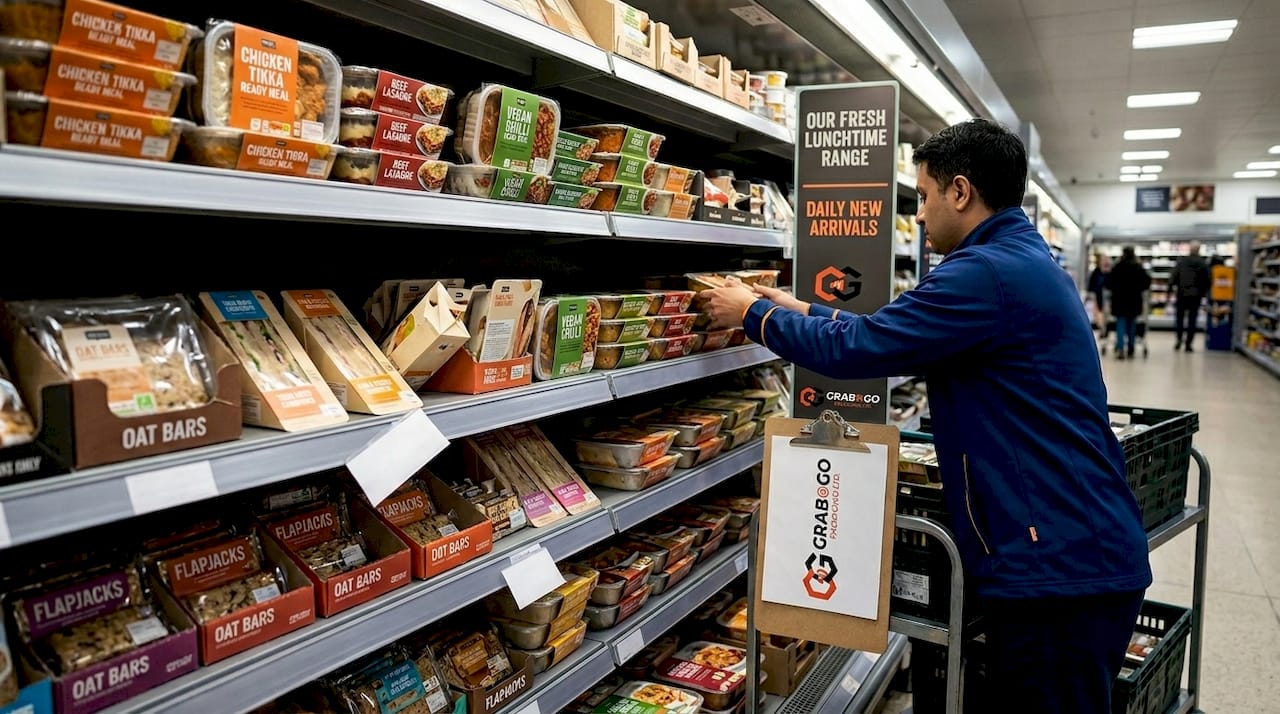
One powerful approach involves using structural features that enhance product visibility. Redesigned SRP with tear-away front panel improved product visibility for challenger brands competing against established names. These tear-away panels allow customers to see the actual product whilst maintaining protective packaging during transport and storage.
Your material choices should complement your design whilst protecting product integrity. Different food products require specific barrier properties, seal strengths, and structural support. The packaging selection process should balance aesthetic appeal with functional requirements like moisture resistance, temperature tolerance, and stackability.
Consider these visibility-enhancing options:
Shelf placement significantly impacts which design elements work best. Top-shelf products need strong branding visible from below, whilst bottom-shelf items benefit from bold graphics visible from above. Middle shelves, where most browsing occurs, require balanced designs that work from multiple angles.
| Packaging Feature | Visibility Benefit | Best For |
|---|---|---|
| Clear windows | Shows product quality | Fresh foods, baked goods |
| Tear-away panels | Reveals product whilst protecting | Multi-pack items |
| Distinctive shapes | Breaks visual monotony | Premium products |
| Bold colour blocking | Creates instant recognition | Crowded categories |
Pro Tip: Photograph your packaging alongside competitors’ products in typical retail lighting. This reveals whether your design truly stands out or gets lost in the visual noise.
Understanding packaging materials types helps you select options that enhance rather than compromise your design vision. Some materials accept printing better than others, whilst certain finishes create premium perceptions that justify higher price points.
Visual cues on your packaging carry enormous power to influence customer perceptions, but this power comes with ethical responsibilities. Customers increasingly scrutinise packaging for authenticity, particularly regarding health and nutrition claims. Misleading visuals can damage your reputation and invite regulatory scrutiny, whilst honest representation builds lasting customer loyalty.
The challenge intensifies in health-focused product categories where visual suggestions can create false impressions. Research shows implicit visuals on baby food packaging mislead health perceptions despite high sugar content. Imagery suggesting natural ingredients, fresh preparation, or nutritional benefits must align with actual product composition.
Colour psychology plays a significant role in perceived healthiness. Green packaging often suggests natural or organic products, whilst earth tones imply wholesome ingredients. If your product doesn’t deliver on these implicit promises, customers feel deceived. This disconnect between expectation and reality creates negative reviews and damages long-term brand value.
Avoid these misleading visual tactics:
“Transparency in packaging design isn’t just ethical, it’s essential for building the customer trust that drives repeat purchases and positive word-of-mouth recommendations.”
Regulatory bodies increasingly scrutinise implicit health claims made through visual design. Whilst explicit false claims face clear penalties, implicit suggestions through imagery occupy a grey area that still carries reputational risks. Why packaging design matters extends beyond aesthetics to encompass legal compliance and ethical responsibility.
Customers in 2026 are more informed and sceptical than ever. They research products, compare nutritional information, and share experiences online. A single misleading visual element can trigger social media backlash that reaches thousands of potential customers. Honest packaging design protects your brand whilst building the authentic connections customers increasingly demand. Aligning your visuals with healthy eating trends 2026 requires genuine product improvements, not just clever marketing.
Functional packaging design extends beyond aesthetics to solve real problems for your customers and your business. The best packaging protects product quality, reduces waste, and creates positive user experiences that reinforce your brand values. Sustainability considerations now influence purchasing decisions across demographics, making eco-friendly packaging both ethically sound and commercially smart.
Product freshness directly impacts customer satisfaction and reduces costly returns. Better sealing and MAP extends shelf life by 1 day, which significantly cuts waste for small to medium enterprises. Modified atmosphere packaging replaces oxygen with protective gases, slowing deterioration and maintaining visual appeal longer. These functional improvements justify premium positioning whilst reducing the environmental impact of food waste.
Psychological research reveals that supporting reasons like visuals, functionality, and sustainability boost anti-waste intent, whilst poor sizing and information overload reduce it. Your packaging size should match typical consumption patterns, preventing customers from discarding unused portions. Single-serve options, resealable features, and clear storage instructions all contribute to waste reduction.
Follow these functionality priorities:
Sustainability elements strengthen your brand image whilst meeting customer expectations. Recyclable materials, reduced plastic content, and compostable options appeal to environmentally conscious consumers. However, greenwashing through vague environmental claims damages credibility. Be specific about what makes your packaging sustainable and provide evidence for any environmental benefits you claim.
| Sustainability Feature | Customer Benefit | Business Advantage |
|---|---|---|
| Recyclable materials | Easy disposal, reduced guilt | Meets regulatory requirements |
| Reduced packaging weight | Lower environmental impact | Decreased shipping costs |
| Compostable options | Complete biodegradability | Appeals to eco-conscious segment |
| Reusable containers | Extended product utility | Encourages brand loyalty |
Pro Tip: Add QR codes linking to detailed sustainability information and recycling instructions. This keeps packaging clean whilst providing transparency for interested customers.
Ease of use significantly impacts customer satisfaction and repeat purchases. Packaging that’s difficult to open, messy to use, or awkward to store creates frustration that overshadows product quality. Consider the entire user journey from purchase through consumption to disposal. Food packaging best practices for UK catering emphasise functionality that supports positive dining experiences.
The selecting disposable containers guide for food businesses helps you balance functionality with cost-effectiveness. Premium functional features justify higher prices when they solve genuine customer problems. Resealable closures, microwave-safe materials, and leak-proof designs all add value that customers recognise and appreciate.
Transforming your packaging design from concept to reality requires the right supplier partner who understands food business needs. Grab & Go Packaging specialises in providing UK food operators with packaging solutions that balance visual appeal, functionality, and sustainability. Whether you need standard options for immediate use or custom designs that elevate your brand presence, their extensive packaging shop offers materials suited to diverse food service applications.

Their customisation services help you implement the design principles discussed throughout this guide. From bespoke greaseproof papers featuring your branding to printed coffee cups that turn every customer into a mobile advertisement, custom packaging ideas for UK cafes demonstrate how strategic packaging investments amplify brand visibility. Expert guidance on types of packaging materials ensures you select options that protect product integrity whilst supporting your sustainability commitments.
Effective food packaging balances visual appeal with clear information hierarchy, using restrained design elements that signal quality rather than creating confusion. It must protect product integrity, comply with regulations, and communicate brand values whilst remaining cost-effective for your business model.
Packaging creates the critical first impression that influences purchase decisions, with structural features and visual design affecting perceived quality and value. Strong shelf presence increases product visibility, whilst honest representation builds trust that converts first-time buyers into loyal customers.
Recyclable cardboard, compostable bagasse products, and reduced-plastic alternatives dominate sustainable packaging trends in 2026. UK customers increasingly favour brands using certified eco-friendly materials with clear disposal instructions, particularly when sustainability claims include specific, verifiable environmental benefits.
Use visual hierarchy to guide attention to essential information first, then incorporate design elements that enhance rather than obscure communication. White space, logical information grouping, and legible typography ensure regulatory compliance whilst maintaining aesthetic appeal that attracts customer attention.
UK food packaging must include specific nutritional information, allergen warnings, storage instructions, and accurate product descriptions as mandated by food safety regulations. Implicit health claims through visual design face increasing scrutiny, making honest representation both legally prudent and ethically responsible. Following food packaging success practices ensures compliance whilst building customer trust.