
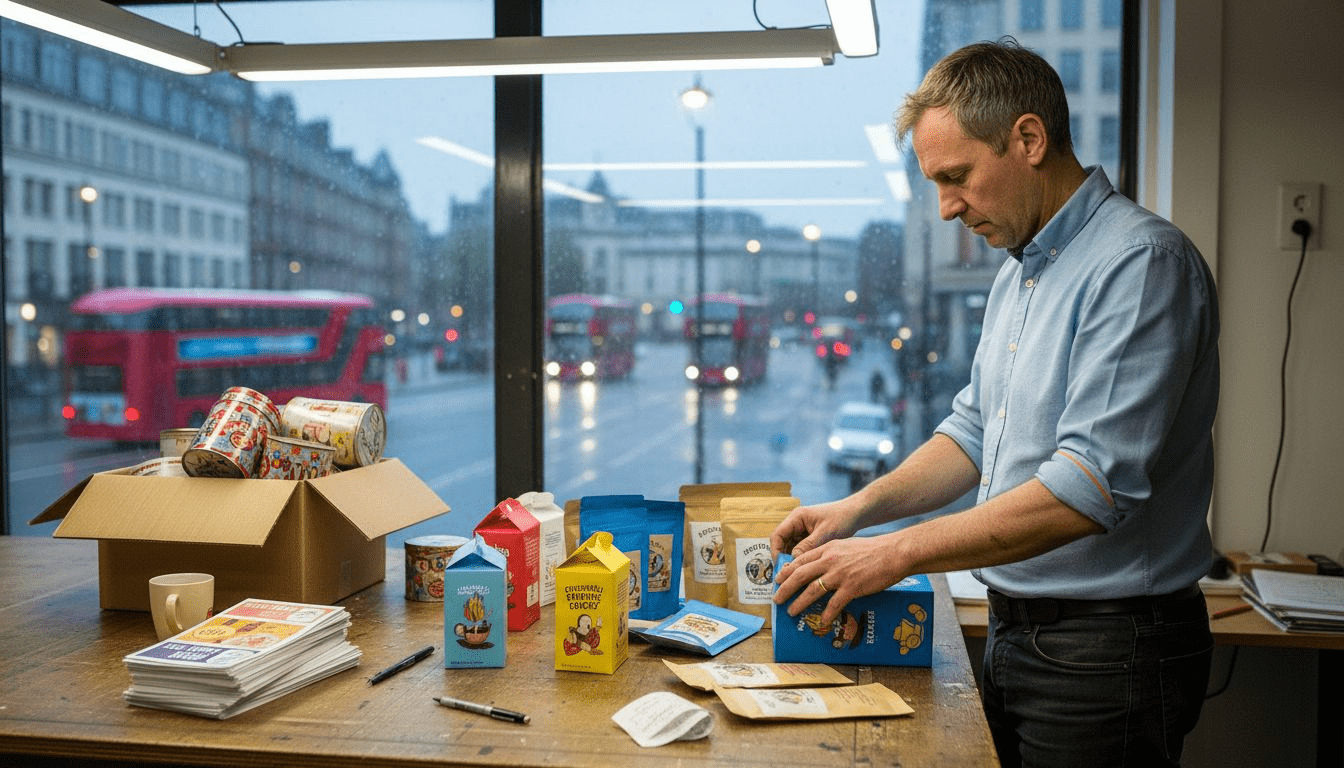
Choosing the right packaging design might seem straightforward, yet for UK food service businesses, it is a decision that shapes everything from shelf appeal to regulatory compliance. Today’s customers expect more than protection for their food; they want packaging that reflects a strong brand identity and environmental responsibility. Thoughtful packaging design can set your business apart, blending visual impact with legal requirements and sustainability realities. Discover practical ways to turn packaging into a competitive advantage that supports both your brand and the planet.
| Point | Details |
|---|---|
| Importance of Packaging Design | Packaging design is vital for product presentation, brand identity, and regulatory compliance, influencing consumer perception and product quality. |
| Branding as a Strategic Asset | Successful branding creates emotional connections and differentiates products, making every consumer interaction a reflection of the brand narrative. |
| Sustainability in Packaging | Utilising sustainable materials is essential, not just for compliance but to meet consumer expectations and enhance brand reputation. |
| Regulatory Compliance Necessity | Understanding and adhering to food packaging regulations is crucial for UK food businesses to ensure consumer protection and maintain credibility. |
Packaging design in the UK food service industry is far more complex than merely containing food. It represents a strategic communication tool that bridges product presentation, brand identity, and regulatory compliance. At its core, packaging design encompasses the entire visual and functional approach to creating containers, wrappers, and boxes that protect, present, and promote food products.
The Food Standards Agency regulations highlight several critical aspects of packaging design that UK food businesses must understand:
Contrary to popular misconceptions, packaging design isn’t just about aesthetics. It plays a multifaceted role in food preservation, consumer communication, and brand positioning. Many food service businesses mistakenly believe that packaging is a secondary consideration, when in reality, it directly impacts customer perception and product quality.
Some common myths about packaging design include:
In reality, thoughtful packaging design can enhance product shelf life, communicate brand values, and create memorable customer experiences. The Foodservice Packaging Association emphasises that modern packaging must balance cost-effectiveness, environmental responsibility, and functional performance.
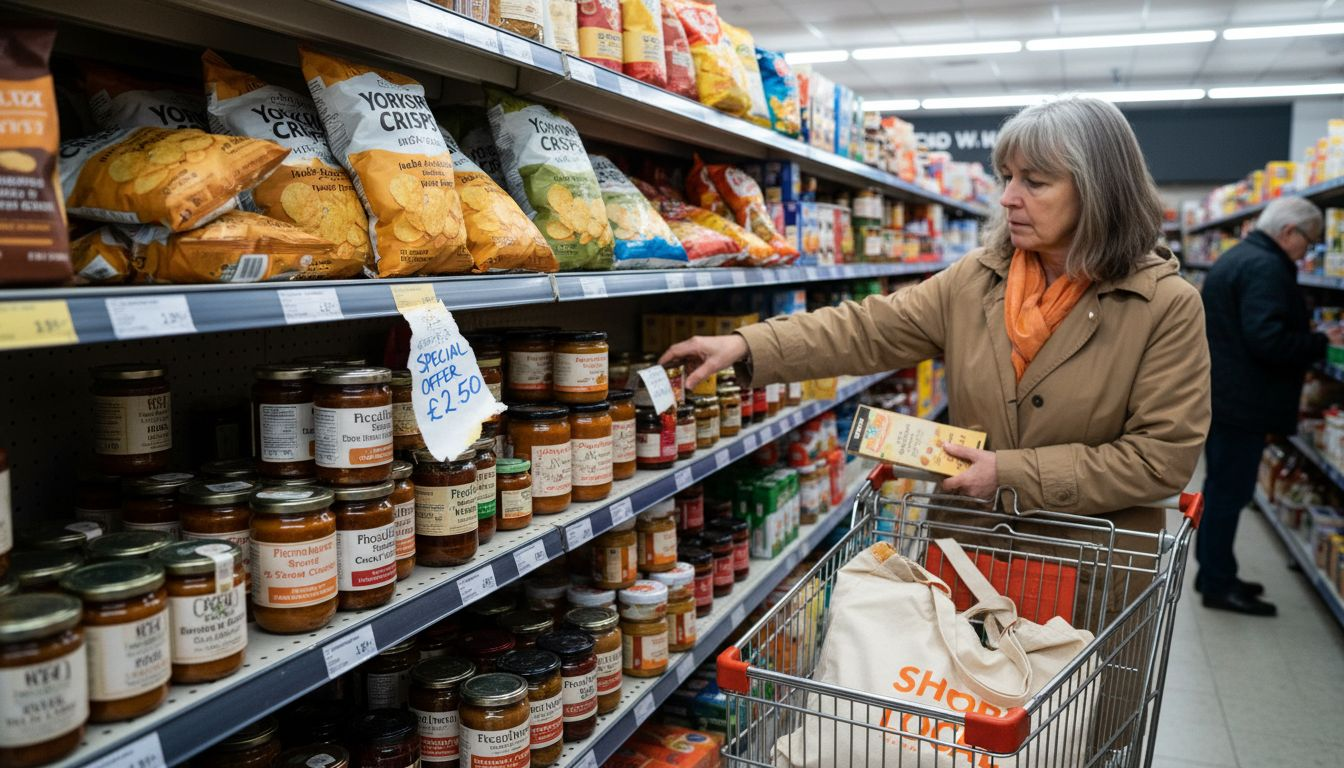
Pro tip: Invest time in understanding packaging design as a strategic business tool, not just a functional necessity.
Branding represents a critical strategic asset for UK food businesses, far beyond mere visual aesthetics. Marketing strategies in food entrepreneurship demonstrate that successful brands create powerful emotional connections with consumers, transforming simple products into compelling experiences.
Key branding elements that significantly impact food businesses include:
The brand narrative plays a pivotal role in consumer perception. UK food businesses must recognise that customers don’t just purchase products; they invest in brand experiences. This means every touchpoint – from packaging to marketing materials – must communicate a coherent, authentic story that resonates with target audiences.
UK food businesses can leverage branding through several strategic approaches:
Moreover, Brand Britain’s promotional strategies underscore the importance of national identity in food branding. By integrating country-of-origin narratives and quality assurance schemes, businesses can enhance their market positioning and consumer credibility.
Summary of branding strategies and their impact for UK food businesses:
| Branding Strategy | Key Advantage | Consumer Impact |
|---|---|---|
| Local/Regional Provenance | Builds trust and authenticity | Strengthens loyalty |
| Unique Product Features | Creates market differentiation | Attracts niche segments |
| Visual Consistency | Improves brand recall | Encourages repeat purchasing |
| Emotional Storytelling | Fosters connection | Increases positive sentiment |
Pro tip: Invest in developing a genuine, authentic brand story that goes beyond superficial marketing tactics.
The landscape of sustainable packaging is rapidly evolving, with UK food businesses increasingly prioritising environmentally responsible solutions. Alternatives to single-use plastics represent a critical transformation in how businesses approach packaging design and environmental impact.
Key sustainable materials gaining prominence include:
The circular economy approach is reshaping packaging strategies, with businesses recognising that sustainable materials are no longer optional but essential. This shift goes beyond environmental responsibility, addressing consumer expectations and regulatory pressures that demand more eco-conscious packaging solutions.
Consumer perceptions of sustainable packaging are complex and nuanced. UK consumer attitudes towards packaging reveal a growing understanding of sustainability, with specific preferences emerging:
Moreover, sustainable packaging isn’t just about material selection. It encompasses a holistic approach that considers production processes, transportation efficiency, and end-of-life disposal strategies. UK food businesses must integrate sustainability into their core operational philosophy, treating it as a strategic advantage rather than a compliance checkbox.
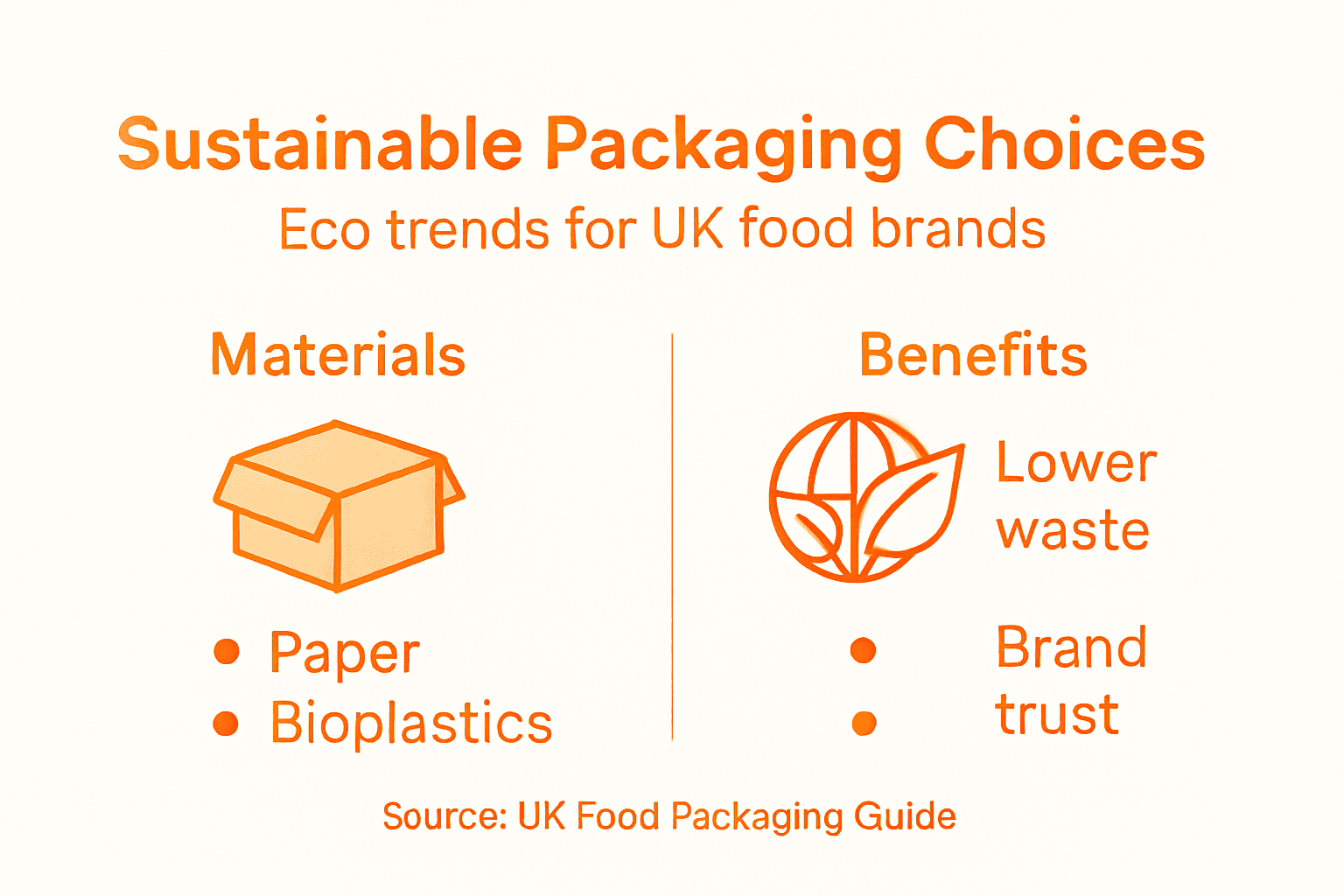
Here’s a quick comparison of sustainable packaging materials and their business benefits:
| Material Type | Sustainability Benefit | Business Value |
|---|---|---|
| Biodegradable Biopolymers | Decomposes naturally | Reduces landfill costs |
| Compostable Plant-Based | Breaks down in compost | Appeals to eco-conscious buyers |
| Recycled Paper/Cardboard | Uses post-consumer waste | Enhances green brand image |
| Bagasse/Agro Waste | Utilises food by-products | Lowers material expenses |
| Cellulose-Based | Renewable and versatile | Enables innovative designs |
Pro tip: Conduct a comprehensive packaging audit to identify opportunities for sustainable material transitions and long-term environmental impact reduction.
Navigating the complex landscape of food packaging regulations requires meticulous attention to detail for UK food businesses. Food packaging legal requirements represent a critical framework that ensures consumer protection, transparency, and safety across the food service industry.
Key mandatory label information includes:
The regulatory landscape is nuanced, with distinct considerations for different regions within the United Kingdom. Great Britain and Northern Ireland maintain slightly different approaches to food labelling post-Brexit, creating additional complexity for businesses operating across these jurisdictions.
Businesses must address several critical compliance dimensions:
Moreover, UK food labelling guidance emphasises the importance of ongoing regulatory education. Food businesses must stay informed about evolving standards, potential legislative changes, and emerging best practices to maintain robust compliance.
Pro tip: Regularly consult official regulatory bodies and invest in professional compliance training to stay ahead of labelling requirements.
Packaging design represents a critical strategic investment for UK food businesses, far beyond a simple cost consideration. UK manufacturers face significant packaging challenges that demand sophisticated, nuanced approaches to material selection and design strategy.
Common cost-related packaging mistakes include:
The economic calculus of packaging decisions extends well beyond immediate material expenses. Businesses must consider multiple interconnected factors that influence overall financial performance and market positioning.
Strategic packaging investments can yield significant competitive advantages through:
Moreover, forward-thinking UK food businesses recognise that packaging is not merely a cost centre but a sophisticated strategic asset. By integrating innovative design, sustainable materials, and consumer-centric approaches, companies can transform packaging from an operational expense into a powerful competitive differentiator.
Pro tip: Conduct a comprehensive packaging audit annually to identify cost-saving opportunities and align with emerging market expectations.
Understanding the critical role packaging design plays in UK food businesses means recognising the impact of brand storytelling, legal compliance, and sustainability. If you want to transform packaging from a simple container into a powerful brand asset that protects your products and communicates your values clearly, Grabngo Packaging can help you discover the right solutions. From bespoke greaseproof papers to eco-friendly bagasse products, our extensive range supports your goals of functional excellence and memorable customer experiences.
Explore our diverse selection at Grabngo Packaging and find everything you need to comply with UK regulations while enhancing your brand appeal. Take advantage of our competitive pricing and easy bulk ordering to truly make your packaging work harder for your business. Start now to turn your packaging challenges into long-term advantages with trusted UK industry partners.
Packaging design is crucial as it serves as a communication tool that protects products, conveys brand identity, ensures compliance with regulations, and influences consumer purchasing decisions.
Thoughtful packaging can enhance product shelf life, communicate brand values, and create memorable experiences, directly impacting how consumers perceive the quality and appeal of a food product.
Many believe that packaging is only about aesthetics, that cheaper packaging is always better, or that sustainability compromises product protection. In reality, effective packaging design balances multiple factors, including functionality, brand messaging, and environmental responsibility.
Legal compliance ensures that food businesses meet necessary regulations for consumer protection, including accurate labelling of ingredients, allergens, and nutritional information, fostering trust and transparency with consumers.