
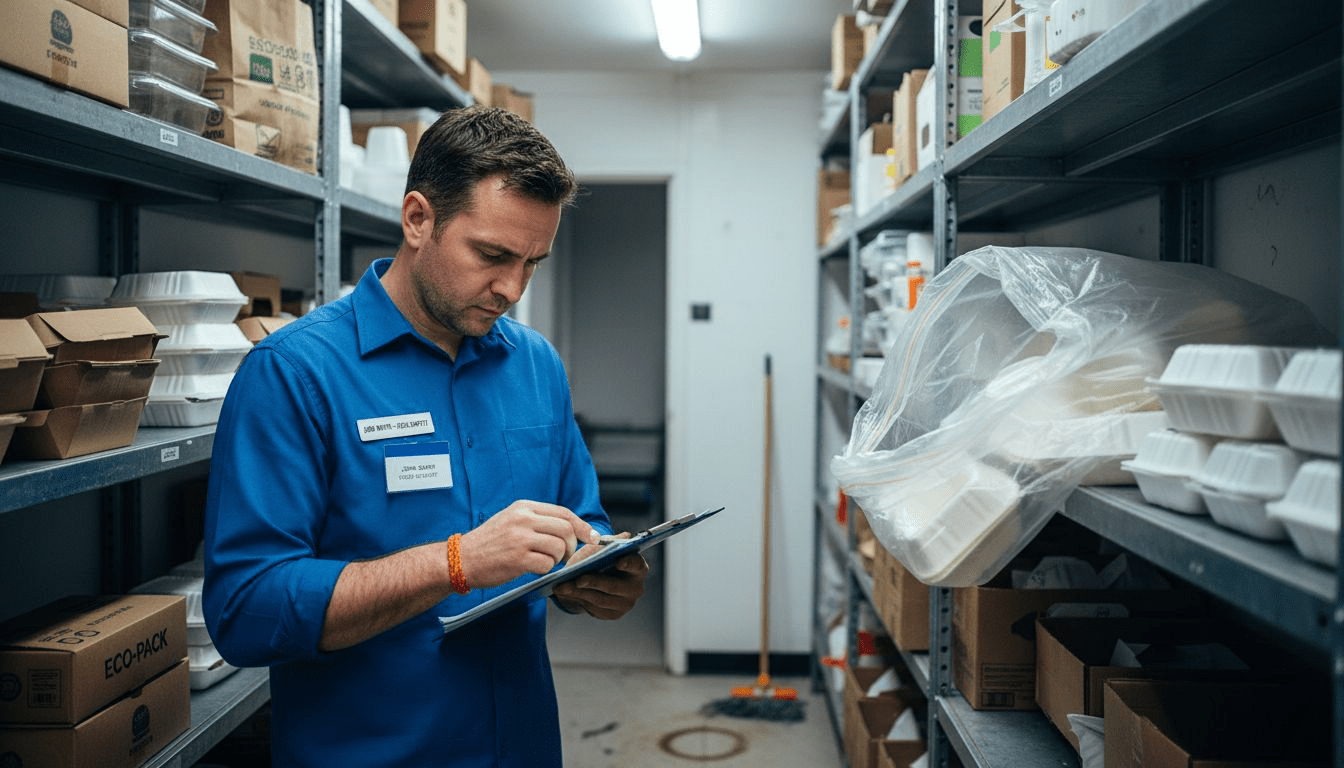
Handling takeaway packaging presents unique hygiene challenges that every UK food service manager must confront head on. Businesses face growing pressure to protect customers and meet strict Food Standards Agency requirements, especially as packaging materials become more varied and supply chains evolve. By focusing on a systematic assessment and continuous improvement, you create a safer environment and prepare your operation for unexpected inspections or regulatory changes. Start with a strong foundation by reviewing your current practices for packaging hygiene.
| Essential Insight | Detailed Explanation |
|---|---|
| 1. Assess current packaging hygiene practices | Conduct a thorough evaluation of existing packaging hygiene to identify contamination risks and establish effective protocols. |
| 2. Create dedicated packaging storage areas | Establish a clean, well-organised storage space separate from food preparation to prevent contamination of packaging materials. |
| 3. Implement strict handling procedures | Develop rigorous protocols addressing personal hygiene and material inspection to ensure safe handling of packaging. |
| 4. Train staff on hygiene protocols | Provide comprehensive training that covers key aspects of hygiene and handling to equip staff with necessary skills. |
| 5. Verify and monitor packaging hygiene standards | Regularly check packaging conditions and conduct audits to ensure ongoing compliance with hygiene protocols and improve practices. |
Package hygiene forms the bedrock of food safety for UK takeaway businesses, requiring a systematic and thorough evaluation of existing practices. This assessment helps identify potential contamination risks and develop robust protocols to protect both your business and customers.
To effectively assess your current packaging hygiene standards, you’ll need to conduct a comprehensive food safety hazard analysis. This involves several critical steps:
Start by mapping out your entire packaging process, from procurement to customer handover. Look for potential points of microbiological, chemical, or physical contamination. Pay special attention to:
Systematic assessment is the first line of defence in maintaining packaging hygiene and protecting public health.
Documentation is crucial during this process. Create detailed records of your current practices, including any existing hygiene protocols, staff training logs, and material safety certificates. The Food Standards Agency emphasises the importance of comprehensive documentation in ensuring packaging safety.
For a clearer overview, here is a summary of contamination risks and their business impacts:
| Contamination Type | Example Risk Location | Business Impact |
|---|---|---|
| Microbiological | Staff handling areas | Foodborne illness outbreak |
| Chemical | Material storage zone | Legal action, product recall |
| Physical | Transportation steps | Customer complaints, reputation loss |
Expert tip: Conduct a monthly internal audit to continuously monitor and improve your packaging hygiene standards, catching potential issues before they become serious problems.
Creating a well-organised and hygienic storage area for packaging materials is crucial for maintaining food safety standards in your takeaway business. Proper storage helps prevent contamination, protect material integrity, and ensure your packaging remains in pristine condition before use.
When establishing your dedicated packaging storage zone, consider packaging waste management requirements that outline critical environmental and safety standards. Your storage area should incorporate several key design elements:
Design your storage space with meticulous attention to environmental conditions. Ensure the area maintains consistent temperature and humidity levels, preventing potential degradation of packaging materials. Look for a location that offers:
Dedicated packaging storage is not just about organisation – it’s about protecting your business’s reputation and customer safety.
Implement a robust inventory management system to track packaging materials. This helps monitor stock levels, rotation, and prevents using outdated or compromised packaging. The European Dairy Association emphasises the critical role of controlled storage in maintaining packaging quality.
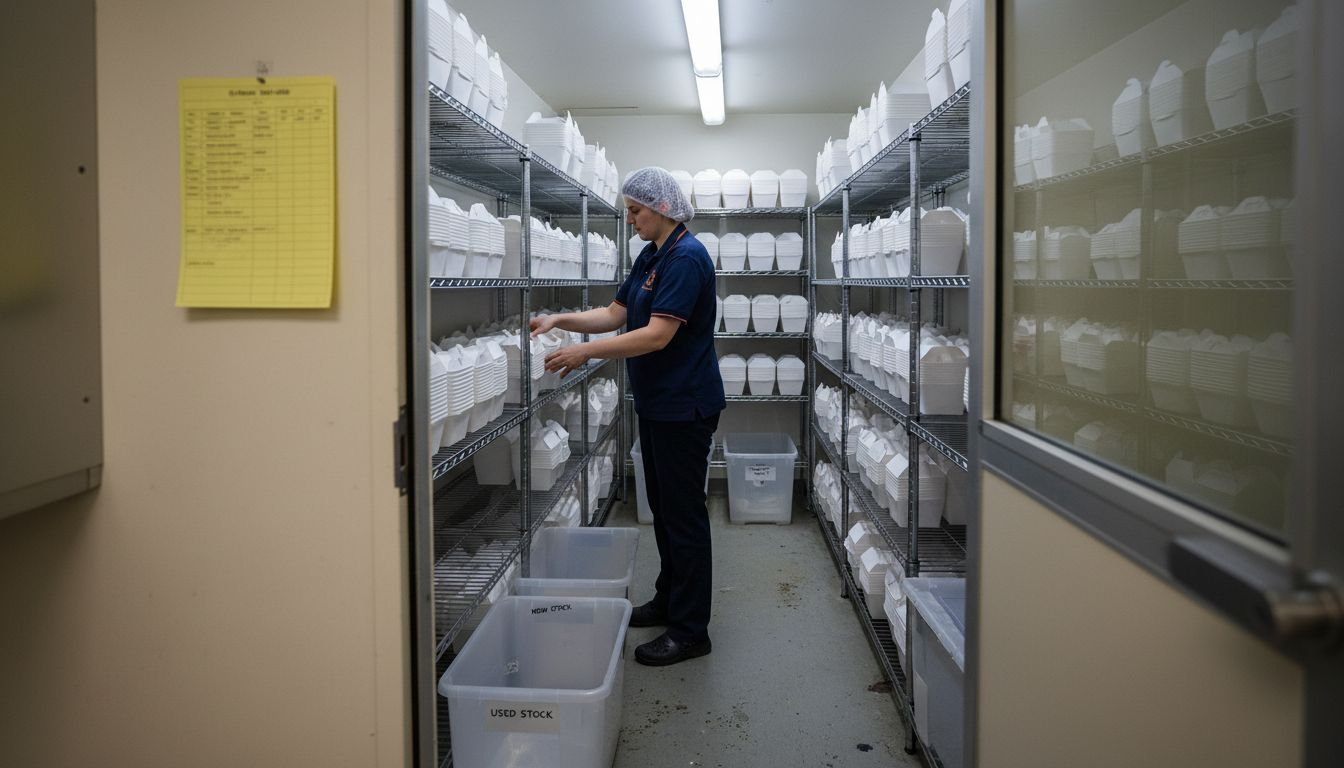
The following table compares common packaging storage strategies for takeaway businesses:
| Storage Feature | Standard Practice | Best Practice |
|---|---|---|
| Location | Shared with food | Separate, dedicated zone |
| Temperature | Uncontrolled | 15-25°C, climate-regulated |
| Tracking | Manual stock lists | Automated inventory system |
| Waste Management | Ad hoc disposal | FIFO and environmentally compliant |
Expert tip: Implement a first-in-first-out (FIFO) system for your packaging materials to ensure consistent quality and minimise potential waste.
Establishing rigorous handling procedures is fundamental to maintaining packaging hygiene and protecting your food business from potential contamination risks. These procedures create a systematic approach to managing packaging materials from receipt to customer delivery.
Understand the critical control points by following food safety handling guidelines. Your handling procedures should address multiple dimensions of packaging management:
Develop comprehensive staff training that covers essential handling practices. Focus on creating a culture of hygiene by implementing:
Consistent and meticulously implemented handling procedures are your primary defence against potential hygiene failures.
Your handling protocols must comply with legal food safety requirements that mandate protecting packaging from contamination. Regularly review and update these procedures to ensure ongoing effectiveness and regulatory compliance.
Expert tip: Create visual instructional posters demonstrating correct handling techniques and display them prominently in packaging preparation areas.
Training your staff on comprehensive hygiene protocols is the cornerstone of maintaining impeccable packaging standards in your takeaway business. A well-trained team becomes your first line of defence against potential contamination risks and ensures consistent food safety practices.
Begin by implementing comprehensive food hygiene training that covers all critical aspects of packaging management. Your training programme should encompass multiple key areas:
Develop a structured training approach that combines theoretical knowledge with practical demonstrations. Consider implementing:
Effective staff training transforms hygiene guidelines from paperwork into real-world protection for your customers.
Utilise professional food safety certification programmes to ensure comprehensive skill development. These structured courses provide systematic learning that goes beyond basic awareness, equipping staff with deep understanding of hygiene protocols.
Expert tip: Create a visual training handbook with step-by-step photographic guides demonstrating correct packaging handling techniques, making complex procedures easy to understand and follow.
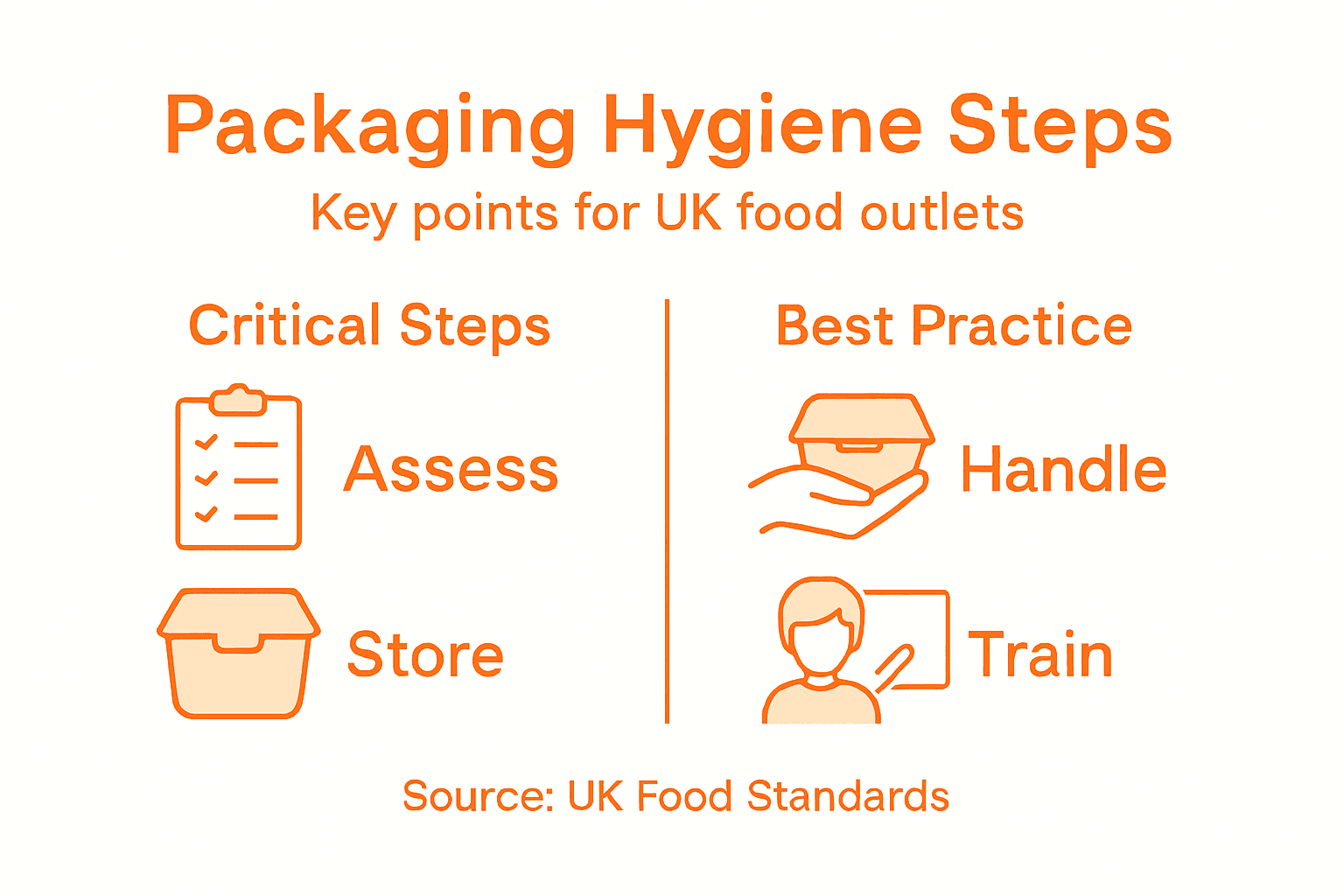
Verifying and monitoring packaging hygiene standards is a critical ongoing process that ensures your takeaway business maintains the highest level of food safety and quality. Consistent evaluation helps identify potential risks before they become serious problems and demonstrates your commitment to customer protection.
Implement a robust system for packaging and labelling compliance that allows systematic tracking and verification of your hygiene protocols. Your monitoring strategy should include:
Develop a comprehensive verification process that covers multiple dimensions:
Consistent monitoring transforms hygiene from a theoretical concept into a practical, actionable standard.
Adopt international food safety management standards to create a structured approach to continuous improvement. These frameworks provide systematic methods for tracking, documenting, and enhancing your packaging hygiene practices.
Expert tip: Create a digital tracking system that allows real-time documentation of hygiene checks, making compliance monitoring seamless and efficient.
Maintaining impeccable packaging hygiene is essential for UK takeaway businesses aiming to protect their customers and uphold food safety standards. Key challenges such as contamination risks, proper storage, and strict handling procedures demand packaging solutions that meet your high expectations for quality and reliability. Whether you need disposables, greaseproof papers, or specialised containers, sourcing from a trusted supplier can simplify compliance and improve your hygiene protocols.
Discover an extensive range of packaging products designed specifically for food businesses at Grab & Go Packaging. Browse our Uncategorized – Grab & Go Packaging section for versatile options that support your hygiene goals. Act now to ensure your packaging storage and handling meet strict standards while enjoying competitive pricing and swift delivery. Visit https://grabngopackaging.co.uk/ today and take the next step towards safer, more professional takeaway packaging.
You can assess your current packaging hygiene practices by conducting a comprehensive food safety hazard analysis. Begin by reviewing all packaging materials, inspecting storage conditions, and documenting existing hygiene protocols to identify potential contamination risks.
Your dedicated packaging storage area should include climate-controlled conditions, clean, dry surfaces, and organisation systems that prevent contamination. Ensure the space is separate from food preparation zones to maintain hygiene and protect material integrity.
Establish strict handling procedures that include personal hygiene requirements, protective clothing protocols, and cross-contamination prevention strategies. Ensure your staff is trained on these procedures to maintain high packaging hygiene standards.
Conduct initial training for new staff, followed by regular refresher courses, at least every six months. This consistent training helps reinforce best practices and ensures all team members are aware of proper hygiene protocols.
You can verify and monitor packaging hygiene standards by implementing regular visual inspections, documented traceability records, and scheduled quality control checks. Aim to conduct monthly comprehensive hygiene audits to ensure ongoing compliance and improvement.