
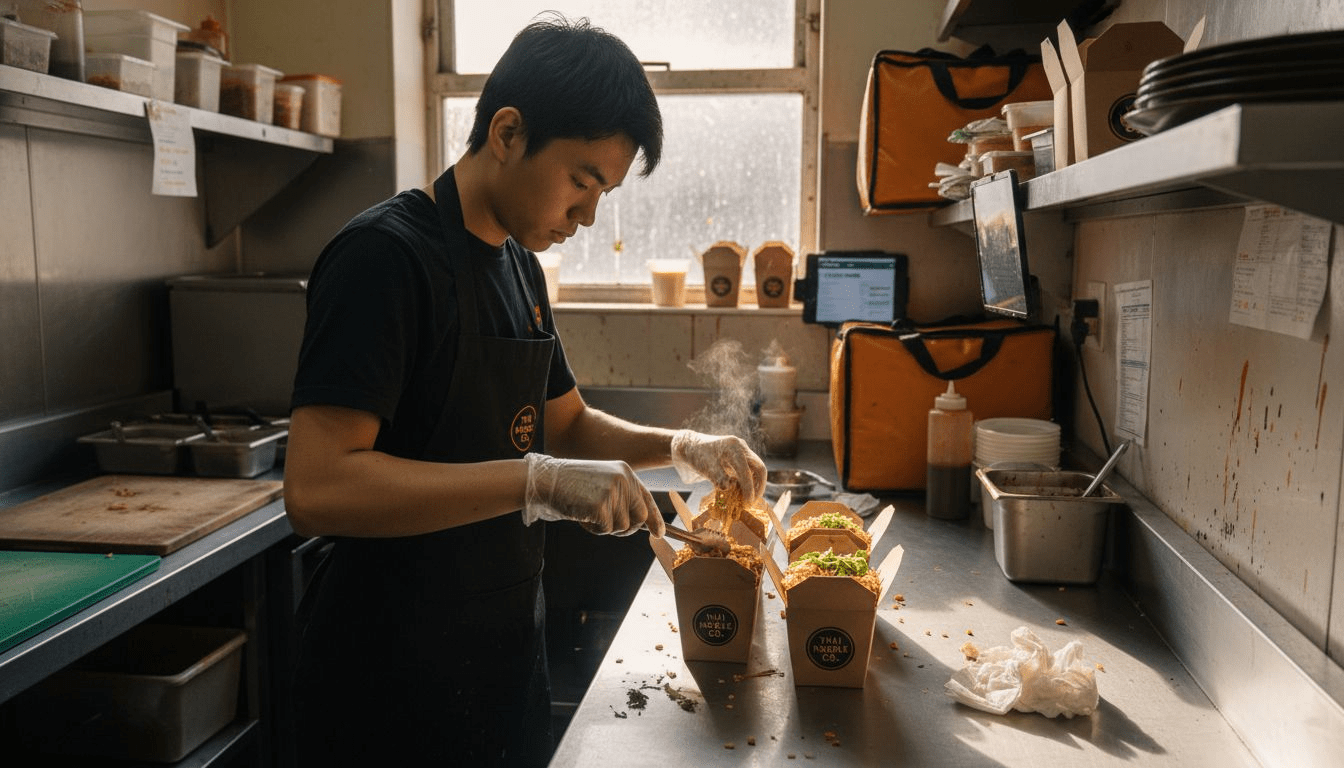
British takeaway restaurants lose nearly one out of every five customers to poor packaging and presentation. For owners and managers, this means more than just a missed sale—it challenges customer loyalty and the overall dining experience. By choosing efficient, branded packaging tailored to your menu and local delivery needs, you can turn every order into a positive touchpoint. This guide uncovers practical steps and proven strategies to help you strengthen quality, boost customer satisfaction, and build a recognizable British brand.
| Key Insight | Detailed Explanation |
|---|---|
| 1. Categorise menu items wisely | Classify dishes by temperature and sensitivity to select appropriate packaging types. This ensures quality and customer satisfaction. |
| 2. Choose sustainable packaging | Opt for recyclable or biodegradable materials that preserve food while also being eco-friendly, reflecting your brand’s values. |
| 3. Ensure proper workstation setup | Keep your packaging area clean and organised for efficiency, hygiene, and food safety during busy periods. |
| 4. Secure packaging for transit | Use containers that seal tightly to maintain temperature and prevent leaks, ensuring the delivery arrives in optimal condition. |
| 5. Implement a thorough verification process | Double-check orders for accuracy and presentation, including portion sizes and branding, to uphold your restaurant’s reputation. |
Successfully packaging takeaway food requires a strategic approach that considers both your menu items and local delivery conditions. Understanding how different dishes behave during transit will help you select packaging that maintains food quality and customer satisfaction.
Start by categorising your menu items into specific groups based on their characteristics. Hot dishes like curries or stir fries need containers with robust heat retention properties, while cold salads require breathable packaging that prevents condensation. Sustainable packaging recommendations suggest matching packaging materials directly to food type and transportation requirements. Delicate items such as pastries or desserts demand rigid containers with secure lids to prevent movement and potential damage during delivery.
Consider your local delivery area’s specific challenges. Urban environments with longer transit times might require different packaging solutions compared to shorter suburban routes. Factors like temperature variations, road conditions, and average delivery distances will influence your packaging strategy. Recyclable packaging solutions can help you balance environmental responsibility with practical food preservation needs.
Insider tip: Create a matrix mapping each menu item to its ideal packaging type for quick and consistent packaging decisions.
Here’s a useful summary showing ideal packaging options for popular food categories:
| Menu Category | Best Packaging Type | Key Considerations |
|---|---|---|
| Hot Curries & Soups | Insulated containers | Retain heat, prevent leaks |
| Cold Salads | Breathable boxes | Minimise moisture, keep fresh |
| Fried Foods | Grease-resistant bags | Prevent sogginess, maintain crispness |
| Pastries & Desserts | Rigid containers | Prevent crushing, secure lids |
Choosing the right packaging materials is crucial for maintaining food quality, safety, and customer satisfaction during delivery. Your selection will directly impact how well your dishes arrive and the overall dining experience for your customers.
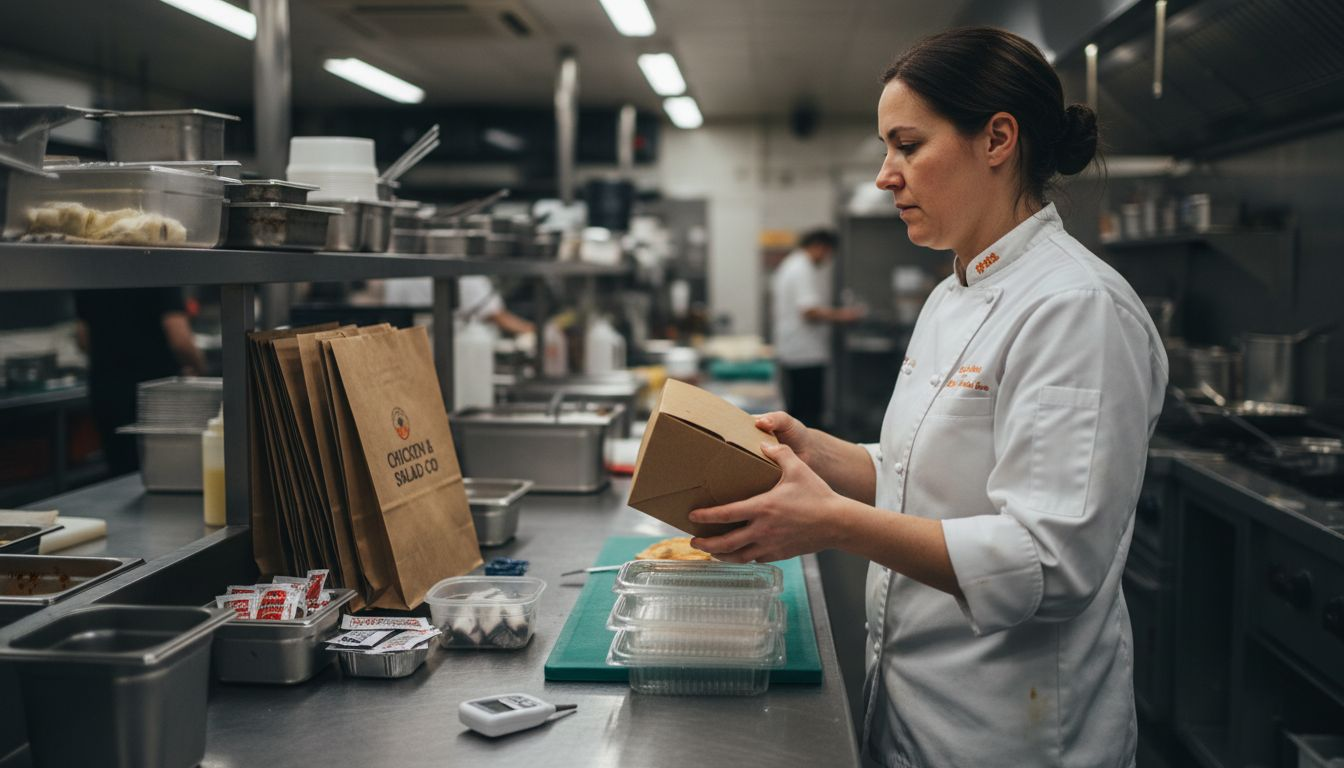
Understand the specific requirements of different food types when selecting packaging. Food packaging materials vary significantly in their protective capabilities. Hot dishes like soups and curries need heat retention containers with tight seals, while cold items like salads require breathable packaging that prevents moisture buildup. Greasy foods such as chips or fried items demand grease resistant materials, whereas delicate pastries need rigid containers that prevent crushing during transit.
Consider not just functionality but also sustainability. Modern takeaway businesses must balance practical food preservation with environmental responsibility. Select materials that are recyclable or biodegradable where possible, ensuring your packaging choices reflect both quality and ecological awareness. Consider the weight, durability, and thermal properties of different packaging types to match your specific menu items and delivery conditions.
Top tip: Invest in sample packaging and conduct transit tests with your most popular dishes to determine the most effective materials for your specific menu.
Preparing your packaging workstation efficiently is critical for smooth takeaway food preparation. A well-organised workspace ensures faster packaging, reduces errors, and maintains high food safety standards throughout your delivery process.
Food safety preparation guidelines emphasise the importance of creating a clean, structured environment before beginning packaging. Start by clearing a dedicated workspace with sufficient flat surface area. Gather all necessary packaging materials in advance, including containers, lids, sealing tapes, labels, and any additional inserts or dividers specific to your menu items. Arrange these supplies in a logical sequence that matches your typical food packaging workflow, ensuring everything is within easy reach.
Ensure your workstation meets hygiene standards by thoroughly cleaning and sanitising all surfaces before starting. Lay out disposable gloves, cleaning cloths, and sanitising solution nearby. Group packaging materials by food type to streamline your process and minimise cross contamination risks. Consider using colour coded systems or designated zones for different menu categories, which helps maintain organisation and efficiency during busy service periods.
Top tip: Create a compact packaging station with wheels that can be easily moved and cleaned between service periods.
Securing your takeaway food during packaging is crucial to preserving its flavour, texture, and safety. Your packaging strategy must protect each dish from temperature fluctuations and potential contamination during transit.
Food packaging preservation techniques demonstrate that strategic packaging can significantly impact food quality. Begin by selecting containers with tight sealing mechanisms that prevent leakage and maintain internal temperatures. For hot dishes, use insulated containers with double walled designs that retain heat. Cold items require breathable packaging that prevents condensation while keeping ingredients chilled. Implement tamper evident seals to reassure customers about food safety and prevent potential contamination during delivery.
Different menu items demand unique packaging approaches. Liquid based dishes like soups need containers with leak proof lids and additional support to prevent spillage. Solid foods such as grilled meats or roasted vegetables benefit from compartmentalised packaging that keeps components separate and maintains their individual integrity. Consider using thermal liners or additional insulation for dishes travelling longer distances, ensuring your customers receive their meal as close to restaurant quality as possible.
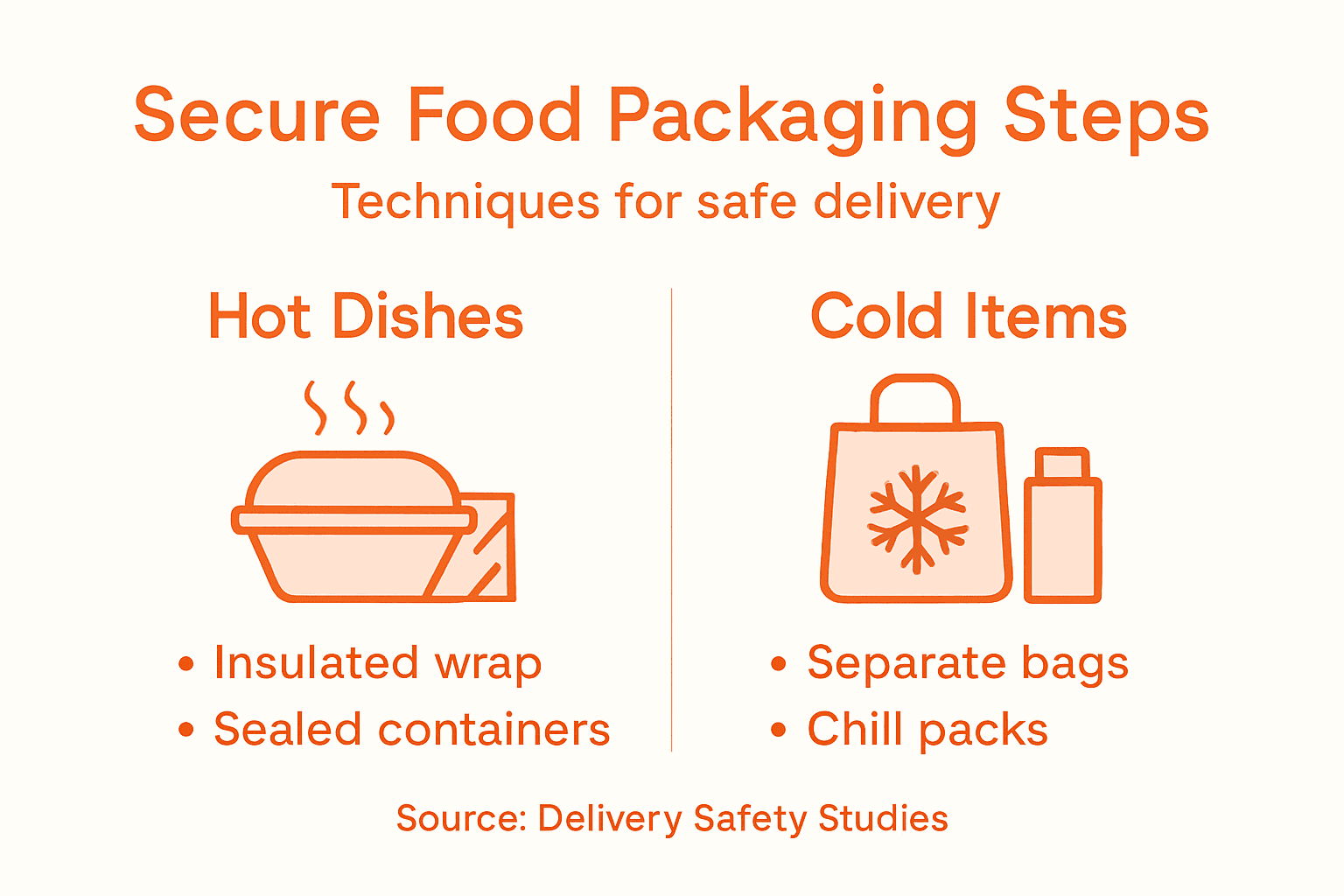
Top tip: Conduct regular temperature checks on packaged meals using digital thermometers to validate your packaging effectiveness.
Branding your takeaway packaging transforms a simple food delivery into a memorable customer experience. Thoughtful design can elevate your packaging from mere container to powerful marketing tool that reinforces your restaurant’s identity.
Packaging as communication medium reveals how visual design communicates your brand story. Select colour schemes that align with your restaurant’s personality and use consistent typography across packaging elements. Your logo should be prominently displayed but not overwhelming. Consider printing your brand narrative or signature dish details on packaging sides to create an engaging customer interaction. Incorporate small design touches like custom illustrations or witty food related messaging that reflect your restaurant’s unique character.
Think beyond visual aesthetics and integrate functional branding elements. Include QR codes linking to online menus or future promotional offers. Add social media handles to encourage digital engagement. Use sustainable packaging materials that communicate your commitment to environmental responsibility. Choose packaging that feels premium yet practical, demonstrating your brand’s values through every aspect of the delivery experience.
The following table outlines how branding elements can elevate your packaging’s customer impact:
| Branding Element | Purpose | Example Implementation |
|---|---|---|
| Colour Scheme | Reinforce brand identity | Match restaurant colours |
| QR Codes | Encourage digital actions | Link to online menu or offers |
| Custom Messaging | Engage customers | Witty slogans or narratives |
| Sustainable Material | Show eco responsibility | Use plant-based packaging |
Top tip: Request feedback from customers about your packaging design to continuously refine your branding approach.
A meticulous final review ensures your takeaway orders meet the highest standards of quality and customer satisfaction. Implementing a systematic checking process will help minimise errors and maintain your restaurant’s reputation for excellence.
Food safety order verification requires a comprehensive approach to order accuracy. Start by comparing the physical order against the original ticket line by line. Verify portion sizes match menu descriptions and check that each item is correctly prepared. Examine the packaging to ensure containers are sealed properly with no visible damage. Confirm that accompanying condiments and utensils are included and that special dietary requirements or customisations have been precisely followed.
Create a consistent verification workflow that covers both visual and practical aspects of the order. Inspect food temperatures using a digital thermometer to guarantee hot dishes remain sufficiently warm and cold items stay chilled. Check that branding elements are correctly positioned and the overall presentation reflects your restaurant’s standards. Look for any potential spillage risks and make final adjustments to packaging to prevent leaks during transit. A methodical approach demonstrates your commitment to delivering a perfect dining experience, even when customers are not dining in your establishment.
Top tip: Develop a standardised order verification checklist that staff can quickly reference to maintain consistent quality.
Packaging takeaway food can feel overwhelming when trying to maintain freshness, temperature, and presentation throughout delivery. This article highlights key challenges like choosing secure, temperature-appropriate containers and integrating effective branding to enhance customer satisfaction. If you are aiming to eliminate leaks, prevent sogginess, and showcase your unique brand using sustainable and reliable materials, you need packaging solutions designed specifically for food service businesses.
Discover a wide range of expertly curated packaging options at GrabnGo Packaging. Whether you want insulated containers for hot curries, grease-resistant bags for fried foods, or customisable printed cups to reinforce your brand story, we provide quality supplies that help you deliver excellence. Take control of your packaging process today by visiting our easy-to-navigate online store and enjoy competitive pricing, bulk discounts, and fast order fulfilment. Start transforming your takeaway packaging now and create memorable experiences that keep customers coming back.
Understanding your menu items and local delivery conditions is key. Categorise your dishes based on heat retention, moisture control, and fragility. Create a matrix that maps each item to its ideal packaging for quick decision-making.
Select packaging materials based on the specific requirements of each food type. Use insulated containers for hot dishes, breathable boxes for cold salads, and grease-resistant bags for fried items. Test samples to ensure effectiveness before committing to a large purchase.
Organise a clean and structured workspace to streamline your packaging process. Gather all necessary materials like containers, lids, and labels in a logical sequence, ensuring everything is easily accessible. This will help maintain high food safety standards and efficiency during busy periods.
Ensure your food is packaged securely to maintain quality and prevent contamination. Use tight-sealing containers to avoid leaks and maintain temperature, and include tamper-evident seals for safety. Conduct regular temperature checks on packaged meals to validate your packaging effectiveness.
Enhance your packaging with branding elements that reflect your restaurant’s identity. Use consistent colour schemes, include QR codes for digital engagement, and add custom messaging to engage customers. Gather customer feedback to continuously refine your packaging design.
Implement a systematic process to verify each order against the original ticket. Check for correct portion sizes, sealed packaging, and that all condiments are included. Using a standardised checklist can help maintain consistent quality and minimise errors.