Cart 0
Why Use a One Stop Shop Packaging Supplier
When your coffee cups come from one supplier, your burger boxes from another, your cleaning products from a third and your carrier bags from whoever has stock that week, small purchasing issues turn into daily operational headaches. A one stop shop packaging supplier helps fix that by bringing core service essentials into one buying process, one account and one delivery plan.
For cafés, takeaways, coffee shops, fish and chip shops, fast food counters and mobile caterers, that matters more than it sounds. Packaging is not a side purchase. It affects speed of service, stock control, food quality, presentation and margin. If the lids do not fit properly, the bags split, or the box size is wrong for your menu, the problem lands with your staff and your customers.
What a one stop shop packaging supplier actually means
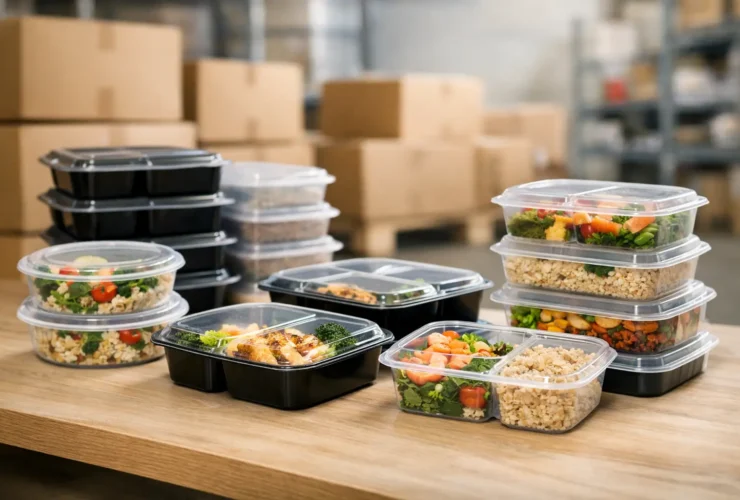
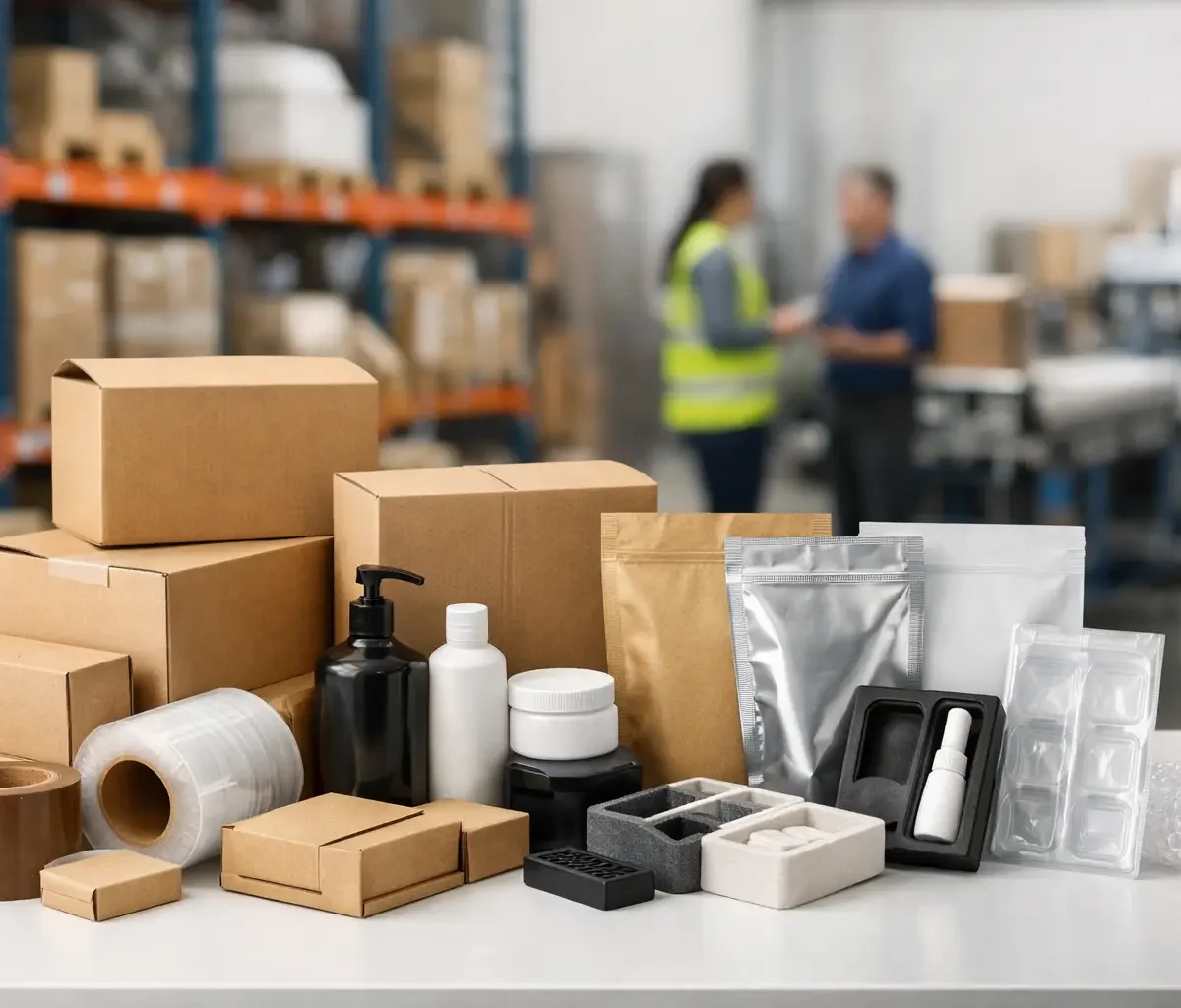
In practical terms, it means buying your everyday packaging and front-of-house consumables from a supplier that covers the main categories you use every week. That usually includes hot cups, cold cups, lids, takeaway containers, foil trays, deli bowls, salad containers, burger boxes, pizza boxes, sandwich wedges, cutlery, bags, napkins, greaseproof paper and cleaning supplies.
The real value is not just range for the sake of range. It is product range that matches foodservice use. A café needs cup sizes, sip lids, food-to-go containers and branded wrap options that work together. A chicken shop needs sturdy boxes, grease-resistant liners, carrier bags and wipes that support high-volume service. A deli needs clear bowls, secure lids and display-friendly packaging that presents fresh food properly.
That is the difference between a general wholesaler with a few packaging lines and a specialist supplier built around takeaway, hospitality and food-to-go operations.
Why food businesses move to one supplier
Most operators do not switch because the idea sounds neat. They switch because managing several vendors wastes time and creates avoidable inconsistency.
Ordering from multiple suppliers often means different minimum order values, different lead times, separate invoices and uneven stock availability. One supplier might have cups but no lids. Another might carry containers but not the matching sizes you need across your menu. A third may offer low pricing on one line but no meaningful range beyond that.
With a one stop shop packaging supplier, the buying process becomes easier to manage. Your team spends less time chasing stock, checking compatibility and reconciling paperwork. That administrative saving is easy to underestimate, but for busy outlets it can be worth as much as a small line-price saving elsewhere.
Cost control improves too, although not always in the way people first expect. The cheapest individual unit price is not always the lowest operating cost. A slightly better-priced tray from one source can end up costing more if it increases split ordering, duplicate deliveries or packaging inconsistency across sites. Consolidated purchasing often gives a clearer picture of spend and makes reordering more predictable.
Product consistency matters more than price alone
For repeat-purchase businesses, consistency is a commercial issue. If you serve the same drinks and food every day, you need the same cup fit, the same lid performance and the same box quality week after week.
That consistency affects customer experience. A coffee cup that feels solid, a smoothie cup that stays clear and secure, or a burger box that travels well all support perception of quality. Customers may not praise the packaging directly, but they notice when it fails.
It also affects staff efficiency. When pack formats keep changing, staff waste time adapting. Wrong lid sizes, poorly stacked containers and awkward pack quantities slow service down. In busy periods, those small delays matter.
This is where a category-led supplier has an advantage. You can source matching formats across core lines rather than patching together mixed products from different places. That is particularly useful for businesses with delivery, collection and walk-in trade all running at once.
One stop shop packaging supplier for growing menus
Menus rarely stay still. A coffee shop adds iced drinks. A takeaway introduces meal deals. A burger outlet starts offering loaded fries or desserts. Growth usually means more packaging formats, not fewer.
A one stop shop packaging supplier makes that easier to manage because new lines can sit within an existing purchasing relationship. If you already buy cups, lids, takeaway boxes and greaseproof paper from the same source, adding deli pots, foil containers or dessert packaging is straightforward.
That matters for single-site independents and even more for multi-site operators. Once a business grows, standardising packaging becomes harder. Different branches start buying different alternatives, and brand presentation becomes uneven. Working with one supplier helps keep specifications aligned across locations.
There is still a trade-off. A broad supplier should not mean accepting average quality in every category. Buyers should still check whether the supplier understands each food format properly. Pizza boxes, fish and chip packaging, coffee cups and salad bowls all have different practical demands. Breadth works best when it is backed by category depth.
Branding is easier when the range is already in place
For many food businesses, custom packaging feels like something to look at later. In reality, branded essentials often make the most sense when your standard stock purchasing is already centralised.
If your supplier can handle both everyday plain stock and bespoke printed items, branding becomes easier to introduce without complicating procurement. Printed greaseproof paper, personalised coffee cups and other branded service items can sit alongside your regular ordering rather than becoming a separate project with another vendor.
That is useful because branded packaging only works when it is practical enough for daily trade. A personalised cup still needs the right lid fit and insulation. Printed greaseproof still needs to handle heat, oil and presentation. The value is not just visual. It is branded packaging that performs properly during service.
For smaller operators, accessible custom options can also help level the playing field. You do not need a huge chain budget to improve how your food looks in hand, on the counter or in customer photos. The key is choosing high-use items that carry your brand without adding unnecessary complexity.
How to assess a packaging supplier properly
The best way to judge a supplier is to think like an operator, not just a buyer. Range matters, but range alone is not enough.
Start with the categories you reorder most often. If your outlet depends on hot drink sales, cup and lid reliability should be non-negotiable. If delivery is central to your business, focus on container durability, leak resistance and bag strength. If presentation drives spend, look closely at clear bowls, sandwich wedges, burger boxes and greaseproof formats.
Then look at the practical buying side. Are pack sizes sensible for your turnover? Can you source both high-volume basics and smaller specialist lines in the same place? Does the supplier cover cleaning supplies and consumables as well as packaging? The more of your weekly essentials you can buy together, the stronger the one-stop model becomes.
Bespoke options are another useful marker. A supplier that can support both standard stock and printed packaging is often better set up for long-term growth. It gives you room to start with plain essentials and add branded lines when the timing is right.
The best fit depends on your operation
There is no single packaging setup that suits every food business. A mobile coffee unit will buy differently from a fish and chip shop. A salad bar has different priorities from a fried chicken takeaway. Even within the same sector, volumes, menu mix and service style change what good buying looks like.
That is why the strongest one stop shop packaging supplier is not simply the one with the biggest catalogue. It is the one that lets you buy relevant products quickly, repeat them easily and build around your service model as the business changes.
For UK food operators, that usually means a supplier that understands volume ordering, dependable everyday stock, category-specific packaging and practical branding opportunities. Grab & Go Packaging Ltd is built around exactly that model, with trade-focused ranges covering cups, containers, bags, greaseproof, catering disposables and cleaning essentials in one place.
If your current ordering feels fragmented, the fix is often not dramatic. It is simply choosing a supplier that can cover more of what you already buy, with the right formats for the way you actually trade. When packaging is easier to order, easier to repeat and easier to brand, the whole operation runs cleaner.