
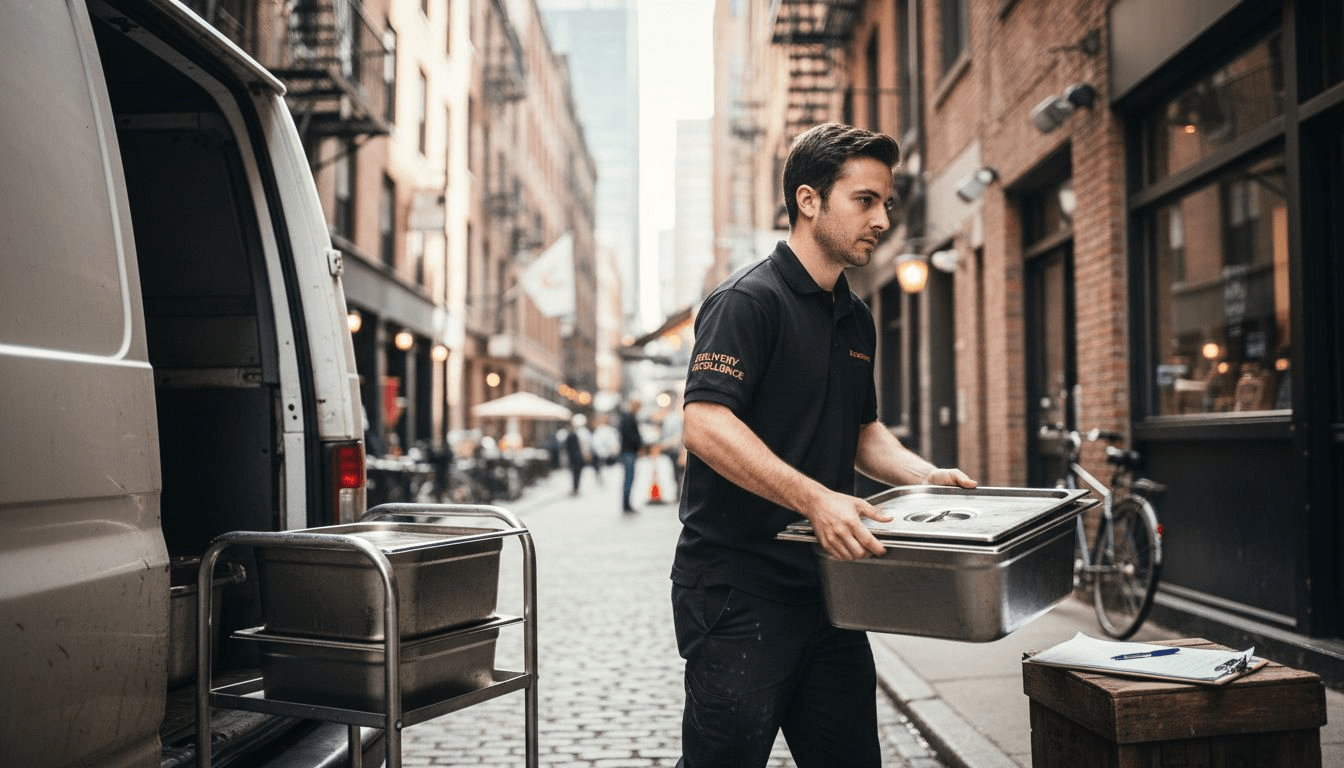
Choosing the right packaging can feel like a balancing act when you want meals to arrive fresh, safe, and visually appealing. For UK caterers and food service managers, the challenge grows with every new regulation and rising demand for eco-friendly solutions. This guide untangles the essentials, from protecting food and supporting your brand to navigating sustainability, so you can discover packaging that works for your business and your customers.
| Point | Details |
|---|---|
| Core Function of Packaging | Catering packaging is vital for maintaining food safety, temperature, and integrity while also enhancing brand presentation. |
| Sustainability Emphasis | There is a significant shift towards sustainable packaging options that meet both operational needs and environmental standards. |
| Brand Communication | Packaging serves as a critical touchpoint for conveying brand identity and values, influencing customer experience significantly. |
| Cost Management | A holistic approach to packaging costs, including lifecycle and regulatory fees, is essential for sustainable business practices and profitability. |
Catering packaging serves far more than a simple transportation medium. Its core function encompasses critical elements of food service delivery, safety, and brand presentation. The essential role of packaging extends well beyond mere containment, representing a sophisticated system designed to protect, preserve, and present culinary offerings.
At its fundamental level, packaging performs multiple critical functions within the catering environment. These include maintaining food temperature, preventing contamination, enabling convenient transportation, and protecting product integrity during transit. The Foodservice Packaging Association highlights that effective packaging must balance technical performance with practical usability, ensuring food remains safe, fresh, and appetising from preparation through consumption.
Beyond functional requirements, packaging plays a strategic role in brand communication and customer experience. Each container, wrapper, or box becomes a silent ambassador for the catering business, communicating quality, professionalism, and attention to detail. University of Worcester’s catering specifications emphasise how packaging contributes to service consistency and operational efficiency, transforming a simple food delivery into a comprehensive sensory experience.
Pro tip: Select packaging that not only protects your food but also reflects your brand’s quality and commitment to sustainability.
Catering packaging represents a diverse ecosystem of solutions designed to meet varying food service requirements. Packaging categories range from single-use containers to specialised delivery systems, each engineered to address specific culinary and operational challenges. These solutions are not merely about containment, but about preserving food quality, ensuring safety, and enhancing overall dining experience.
The primary categories of catering packaging include disposable containers, insulated trays, takeaway boxes, beverage cups, and specialised wrapping materials. Disposable containers typically come in materials like cardboard, biodegradable pulp, and recyclable plastics, each offering unique advantages. Paper-based options provide excellent eco-credentials, while plastic containers deliver superior durability and moisture resistance. Insulated trays become critical for hot foods, maintaining temperature during transportation and preserving the meal’s original quality and taste.
Modern catering packaging also emphasises sustainability and regulatory compliance. Businesses are increasingly shifting towards bio-based alternatives that reduce environmental impact without compromising functional performance. Practical packaging materials now incorporate innovations like compostable films, plant-based containers, and designs that minimise waste while meeting stringent food safety standards.
Here’s a side-by-side comparison of catering packaging materials and their unique business benefits:
| Material Type | Key Benefits | Environmental Impact |
|---|---|---|
| Cardboard | Lightweight, printable | Fully recyclable, low waste |
| Biodegradable Pulp | Compostable, good insulation | Decreases landfill output |
| Recyclable Plastic | Durable, moisture-resistant | Recyclable, medium footprint |
| Plant-based Films | Flexible, safe for food | Compostable, minimal waste |
Pro tip: Select packaging solutions that balance functional requirements, environmental considerations, and your specific catering service needs.
Packaging has evolved from a mere functional necessity to a powerful strategic branding tool in the catering industry. Catering branding strategies now recognise packaging as a critical touchpoint for communicating brand identity, values, and quality. Every container, wrapper, and bag becomes an opportunity to tell a compelling brand story, engaging customers well beyond the immediate food transaction.
Visual design plays a pivotal role in packaging’s branding potential. Colour schemes, logos, typography, and material choices can instantly communicate a brand’s personality – whether it’s eco-conscious, premium, playful, or minimalist. Innovative caterers understand that packaging is not just about protecting food, but about creating a memorable sensory experience. Custom packaging solutions allow businesses to differentiate themselves in a competitive market, transforming an ordinary meal delivery into a distinctive brand interaction.

Sustainability has become a crucial dimension of brand perception through packaging. Custom packaging ideas now integrate environmental responsibility as a core branding message. By selecting recyclable materials, minimising waste, and showcasing commitment to green practices, catering businesses can attract environmentally conscious consumers and build stronger, more meaningful brand connections. The packaging becomes a tangible representation of the brand’s values, demonstrating transparency and social responsibility.
Pro tip: Design your packaging to tell a story that reflects your brand’s unique personality and commitment to quality and sustainability.
Food safety in catering represents a critical intersection of packaging technology, regulatory requirements, and public health protection. Food packaging regulations mandate stringent standards that caterers must navigate to ensure consumer safety and maintain legal compliance. These requirements extend far beyond simple containment, encompassing material safety, contamination prevention, and comprehensive traceability throughout the food service process.
The UK’s regulatory landscape demands meticulous attention to packaging details. Businesses must implement robust labelling protocols that clearly communicate allergen information, use-by dates, and potential cross-contamination risks. Environmental Health Officer checks rigorously evaluate packaging practices, assessing everything from material composition to storage conditions. Hospitality food safety standards require caterers to demonstrate systematic approaches to preventing foodborne illnesses through intelligent packaging solutions that maintain hygiene and preserve food integrity.
Modern packaging technologies have revolutionised food safety compliance, introducing advanced materials and designs that provide superior protection. Antimicrobial packaging, temperature-sensitive indicators, and hermetic sealing techniques represent cutting-edge innovations that help catering businesses proactively manage potential contamination risks. These solutions not only meet regulatory requirements but also build consumer confidence by visibly demonstrating a commitment to quality and safety.
Pro tip: Conduct regular internal audits of your packaging practices to ensure continuous alignment with the latest food safety regulations and industry best practices.
The landscape of catering packaging is undergoing a profound transformation, driven by increasing environmental consciousness and consumer expectations. Sustainable packaging innovations have emerged as a critical response to the urgent need for reducing ecological impact while maintaining functional performance. Modern catering businesses are now challenged to balance operational efficiency with environmental responsibility, reimagining packaging as a strategic tool for sustainability.
Cutting-edge solutions are emerging across the industry, with pioneering institutions leading the way. Innovative packaging technologies are introducing materials like seaweed-based compostable containers, biodegradable films, and plant-derived packaging that dramatically reduce single-use plastic waste. These advanced materials not only meet environmental standards but also provide comparable performance to traditional packaging, demonstrating that sustainability need not compromise quality or functionality.
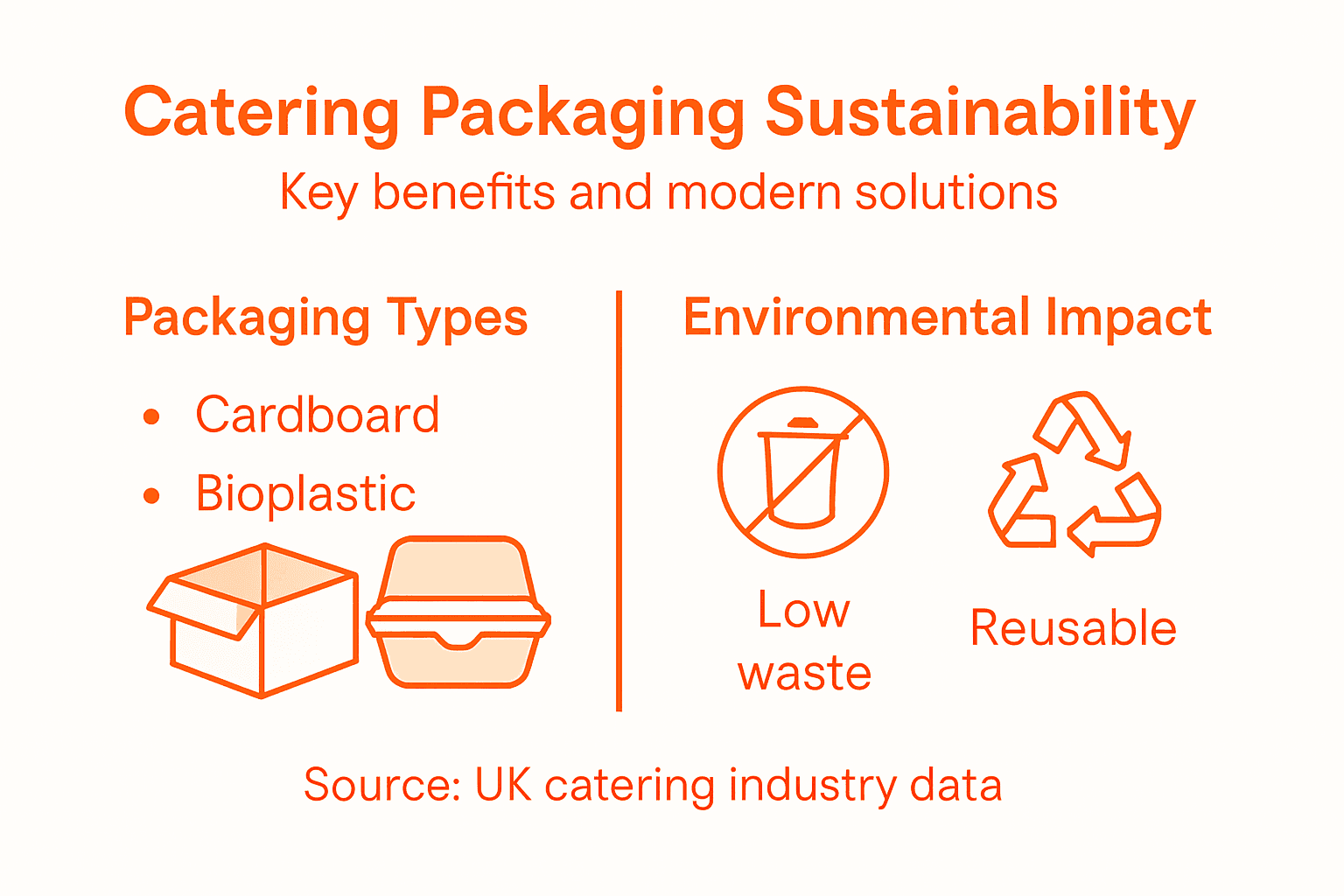
The shift towards sustainable packaging extends beyond material selection, encompassing a holistic approach to waste reduction and circular economy principles. Catering businesses are increasingly adopting strategies that include minimising packaging volume, designing for recyclability, and implementing take-back or composting programmes. By integrating these comprehensive sustainability approaches, organisations can significantly reduce their environmental footprint while simultaneously communicating a commitment to ecological stewardship to increasingly environmentally conscious consumers.
This table summarises core business impacts of investing in sustainable packaging for catering:
| Business Area | Sustainable Packaging Outcome | Strategic Benefit |
|---|---|---|
| Brand Reputation | Enhances eco-friendly brand image | Attracts conscious clients |
| Operational Costs | Reduces waste and disposal fees | Long-term cost savings |
| Regulatory Compliance | Meets evolving legal requirements | Avoids penalties |
| Customer Loyalty | Builds trust through responsible choices | Fosters repeat business |
Pro tip: Conduct a comprehensive audit of your current packaging materials and identify opportunities for sustainable alternatives that align with your operational requirements.
Navigating the financial landscape of catering packaging requires strategic planning and comprehensive understanding of potential expenses. Extended Producer Responsibility implications have fundamentally transformed how businesses approach packaging procurement, introducing complex cost considerations that extend well beyond initial material expenses. Catering operations must now factor in lifecycle costs, including recycling fees, disposal charges, and potential regulatory penalties.
Packaging procurement strategies demand careful evaluation of both short-term and long-term financial impacts. Common pitfalls include focusing solely on upfront costs while neglecting downstream expenses such as waste management, compliance requirements, and potential environmental levies. Sustainable packaging solutions might present higher initial investments, but can generate significant savings through reduced waste, improved brand perception, and alignment with evolving regulatory frameworks.
Successful cost management in packaging requires a holistic approach that balances economic considerations with operational efficiency and sustainability goals. Businesses should conduct thorough cost-benefit analyses that consider not just material expenses, but also potential savings from reduced waste, improved supply chain efficiency, and enhanced brand reputation. This comprehensive perspective allows catering operations to make informed decisions that optimise both financial performance and environmental responsibility.
Pro tip: Develop a comprehensive packaging cost model that includes initial procurement, waste management, potential regulatory fees, and potential brand value enhancement.
The article highlights the crucial role packaging plays in protecting food quality, ensuring safety, and enhancing brand identity while embracing sustainability. If you face challenges balancing these demands — such as maintaining food integrity during transport, meeting stringent food safety regulations, or communicating your eco-conscious values — reliable, purpose-designed packaging is essential. At Grabngo Packaging, we understand these pressures and offer a wide range of disposables, containers, bags, and bespoke products tailored to the food service and hospitality sectors.
Choose from innovative materials that support your commitment to sustainable practices without sacrificing performance or style. Whether you need compostable options, branded coffee cups, or sturdy takeaway boxes, our solutions empower your business to deliver exceptional customer experiences while meeting modern environmental and safety standards. Explore our full range today and take the first step towards packaging that protects your products and elevates your brand. Visit Grabngo Packaging and discover how to transform your catering service now.
Catering packaging serves multiple critical functions including maintaining food temperature, preventing contamination, enabling convenient transportation, and protecting product integrity during transit.
Packaging acts as a silent ambassador for catering businesses, conveying quality, professionalism, and attention to detail, thereby enhancing the overall customer experience.
Common materials include cardboard, biodegradable pulp, recyclable plastics, and plant-based films, each offering unique advantages in terms of durability, insulation, and environmental impact.
Catering businesses can ensure food safety by adhering to packaging regulations, conducting thorough labelling, and employing advanced packaging technologies like antimicrobial materials and hermetic sealing to prevent contamination.