
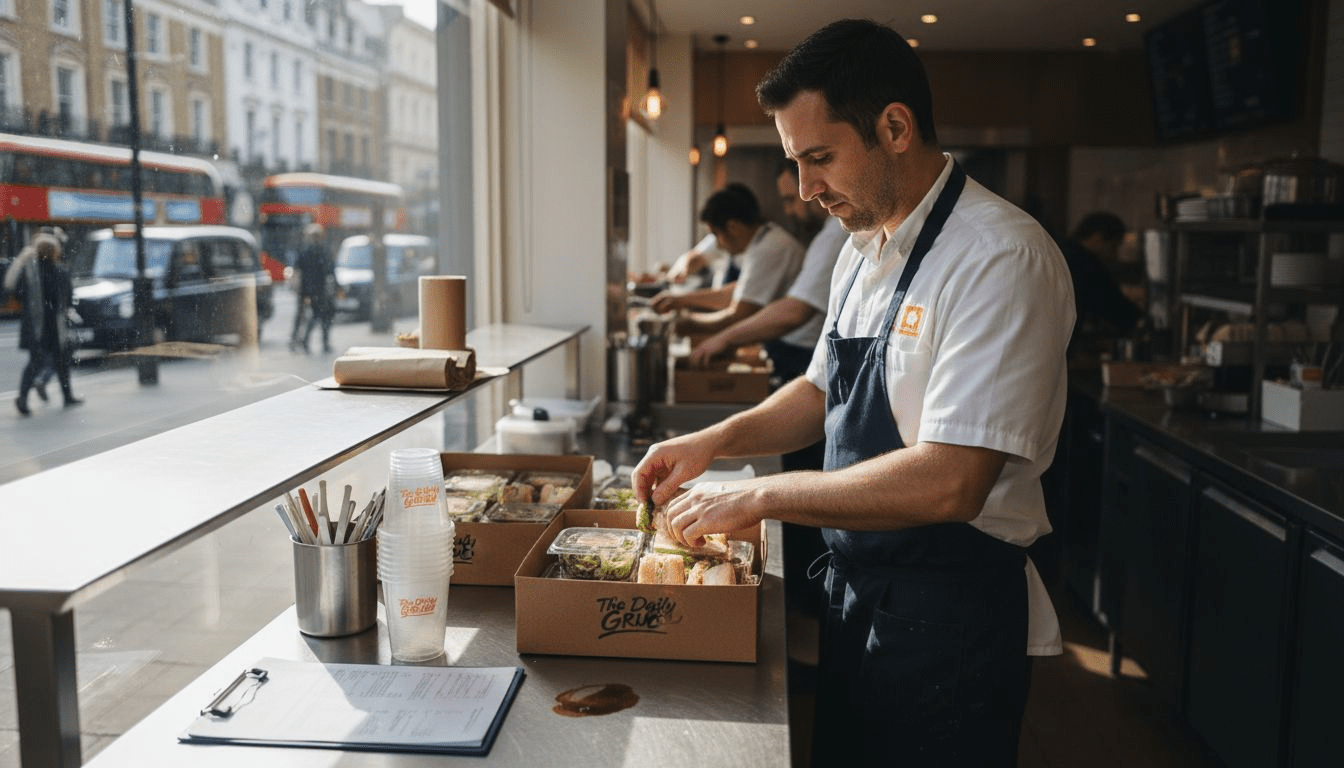
Finding the perfect packaging is a daily challenge for British catering managers aiming to balance brand impact and food safety. With over 85 percent of UK consumers noticing packaging on their delivered meals, packaging choices now carry real business value. For small and medium food service operators, modern solutions offer a path to efficient presentation, smarter logistics, and reliable compliance—all while reinforcing the distinct identity of your British business.
| Point | Details |
|---|---|
| Critical Role of Packaging | Catering packaging is essential for food safety, quality preservation, and efficient distribution in the UK food service sector. |
| Sustainability Focus | There is a significant shift towards eco-friendly materials, requiring businesses to consider the entire lifecycle of their packaging choices. |
| Strategic Branding Opportunity | Custom packaging serves as a powerful branding tool that can enhance consumer perception and communicate company values effectively. |
| Regulatory Compliance Importance | Adhering to UK food safety regulations is crucial for maintaining consumer trust and avoiding legal repercussions. |
Catering packaging represents a critical infrastructure in the UK food service sector, serving far more than a simple container solution. At its core, packaging functions as a sophisticated system designed to protect, preserve, and present food products while meeting stringent regulatory requirements. Packaging plays a multifaceted role in ensuring food safety, maintaining product quality, and facilitating efficient distribution across various food service environments.
The modern catering packaging landscape encompasses a diverse range of materials and designs tailored to specific culinary needs. From lightweight disposable containers for street food vendors to robust insulated packaging for restaurant deliveries, these solutions address complex logistical challenges. Food safety remains paramount, with packaging engineered to create robust barriers against potential contamination, temperature fluctuations, and environmental degradation. Each packaging design must comply with strict UK food contact material regulations, ensuring consumer protection is never compromised.
Beyond functional requirements, catering packaging has evolved into a strategic communication tool for businesses. Delivery packaging design now represents an extension of brand identity, with thoughtful aesthetics and sustainable material choices reflecting a company’s values. Consumers increasingly evaluate food service businesses not just on taste, but on their environmental consciousness and presentation standards. This shift has driven innovation towards more eco-friendly, recyclable, and compostable packaging solutions that balance performance with environmental responsibility.
Expert tip: When selecting catering packaging, prioritise options that provide a balance between food safety, brand presentation, and environmental sustainability.
Catering packaging encompasses a diverse array of solutions designed to meet the complex needs of modern food service businesses. These packaging types range from single-use disposable containers to sophisticated reusable systems, each engineered to address specific operational requirements. Takeaway packaging solutions play a critical role in this ecosystem, offering businesses versatile options for food transportation and presentation.
The primary categories of catering packaging include disposable containers, which are further subdivided into materials like paper-based products, plastics, biodegradable composites, and aluminium. Disposable containers remain popular for their convenience and cost-effectiveness, particularly in quick-service restaurants, street food vendors, and delivery-focused establishments. Segment-specific designs include compartmentalised boxes for multi-component meals, leak-resistant containers for liquid-based dishes, and thermal insulated packaging for maintaining food temperature during transit.
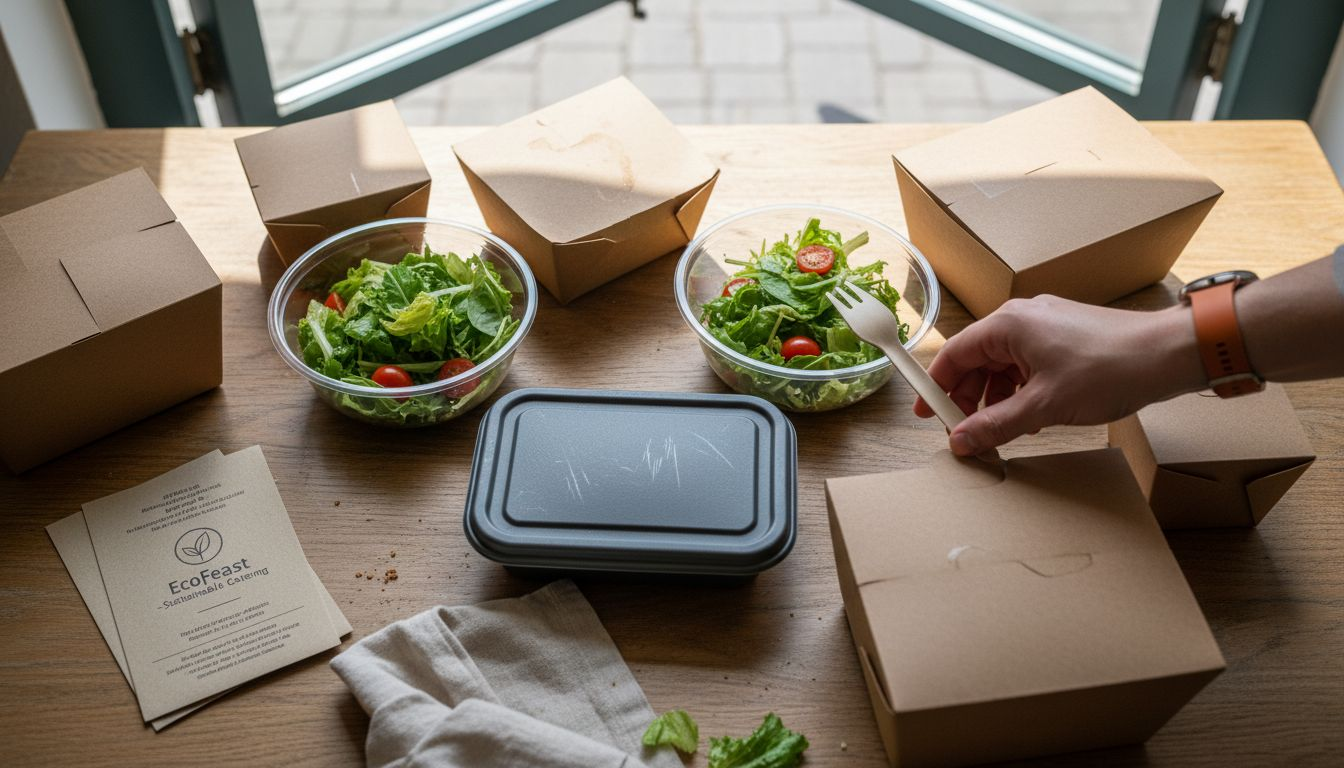
Beyond disposables, professional catering operations increasingly utilise more advanced packaging solutions. Reusable containers made from durable materials like polypropylene or stainless steel offer sustainability benefits and long-term cost savings. Specialised packaging types such as vacuum-sealed containers, modified atmosphere packaging, and temperature-controlled transport solutions demonstrate the technological sophistication now available to food service professionals. These advanced systems not only preserve food quality but also extend shelf life and reduce potential waste.
Here is a comparison of common catering packaging types and their business impact:
| Packaging Type | Typical Use | Key Advantage | Main Drawback |
|---|---|---|---|
| Disposable (Paper) | Takeaway, fast food | Low cost, recyclable | Limited durability |
| Biodegradable | Eco-conscious events | Environmentally friendly | Higher unit price |
| Aluminium | Hot food delivery | Retains heat well | Not always recyclable |
| Reusable (Polypropylene) | Corporate catering | Reduces long-term costs | Requires cleaning logistics |
Expert tip: Select packaging that matches your specific food type, service model, and sustainability goals to optimise both operational efficiency and customer experience.
The landscape of catering packaging materials is undergoing a significant transformation, driven by increasingly stringent environmental regulations and consumer expectations. Sustainable packaging requirements now demand that food service businesses critically evaluate their material choices, balancing functional performance with ecological responsibility. This shift requires a comprehensive approach that considers the entire lifecycle of packaging materials, from sourcing to disposal.
Packaging materials in the UK food service sector now encompass a wide range of options, each with distinct environmental implications. Traditional plastics are gradually being replaced by innovative alternatives such as biodegradable composites, recycled paper products, and plant-based materials. Kraft paper has emerged as a particularly promising solution, offering durability and minimal environmental impact. The key considerations include recyclability, carbon footprint, food safety compliance, and the potential for circular economy integration.
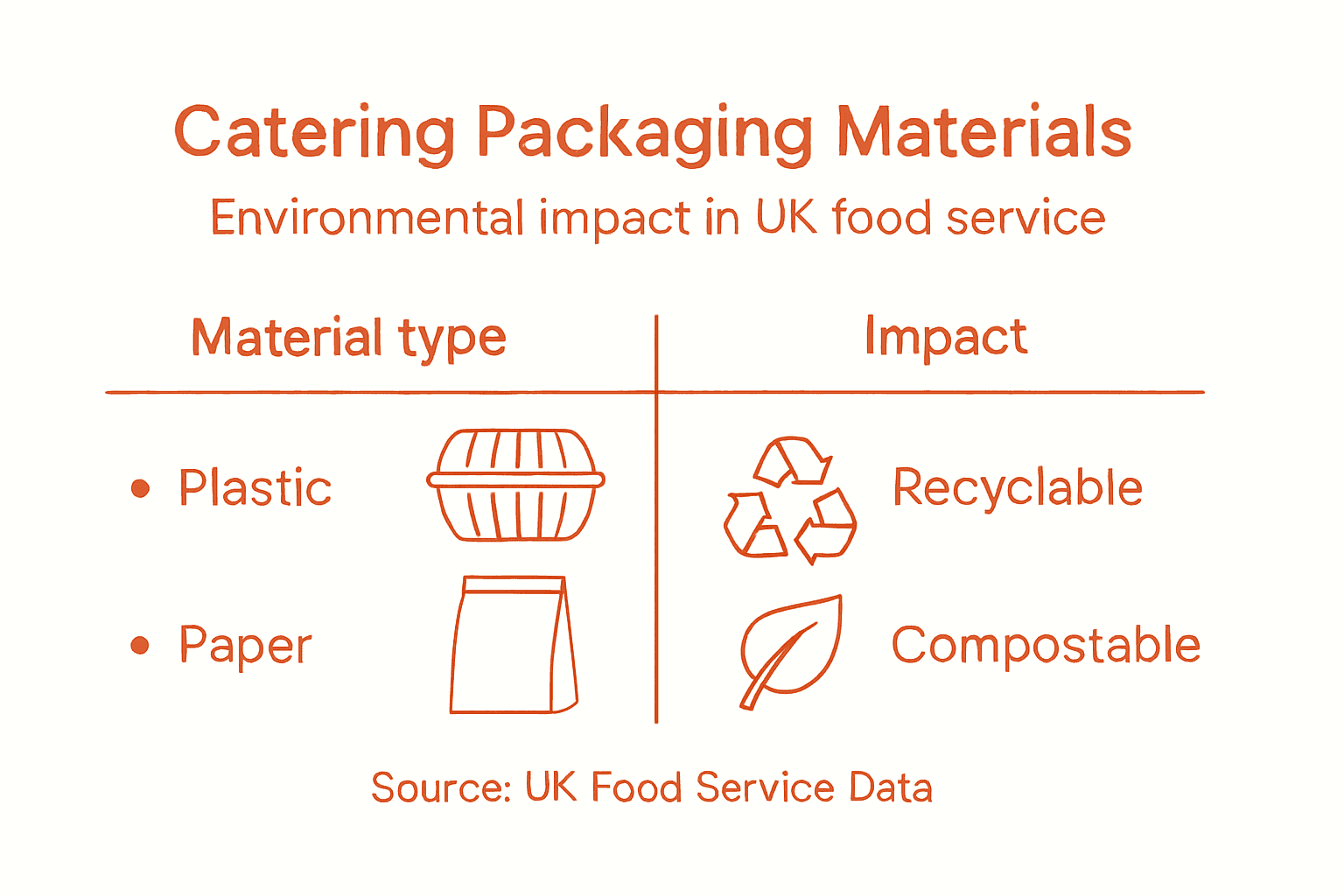
The sustainability challenge extends beyond material selection to comprehensive waste management strategies. Advanced packaging solutions now incorporate design principles that prioritise waste reduction, such as minimalist packaging approaches, modular designs that reduce material usage, and materials engineered for multiple lifecycle stages. Professional caterers must navigate complex trade-offs between food preservation requirements, customer expectations, regulatory compliance, and environmental sustainability. This demands a nuanced approach that considers not just the immediate packaging performance, but its broader ecological and economic implications.
The following table summarises major factors to consider when choosing sustainable packaging solutions:
| Factor | Why It Matters | Business Benefit |
|---|---|---|
| Recyclability | Supports waste reduction | Enhances brand reputation |
| Material Sourcing | Lowers carbon footprint | Meets regulatory standards |
| End-of-life Disposal | Eases customer compliance | Strengthens environmental image |
| Food Safety Compliance | Protects consumer health | Avoids legal penalties |
Expert tip: Conduct a comprehensive audit of your current packaging materials, focusing on their environmental impact, recyclability, and alignment with emerging sustainability standards.
Custom packaging has emerged as a powerful strategic tool for food service businesses seeking to differentiate themselves in an increasingly competitive marketplace. Custom packaging ideas allow businesses to transform functional containers into compelling brand communication platforms. Beyond mere containment, packaging now serves as a visual extension of a company’s identity, creating memorable sensory experiences that extend well beyond the food itself.
The branding potential of packaging encompasses multiple strategic dimensions. Visual elements like colour schemes, logo placement, and unique design patterns can instantly communicate a brand’s personality and values. Printed packaging enables businesses to share their narrative, whether highlighting sustainable practices, showcasing local sourcing, or expressing the unique culinary philosophy behind their offering. Innovative techniques such as embossing, custom printing, and specialised material finishes provide nuanced opportunities for brand differentiation that go far beyond traditional marketing approaches.
Technological advancements have dramatically expanded custom packaging possibilities. Digital printing technologies now allow for cost-effective small-batch customisation, enabling even smaller food service businesses to create distinctive packaging solutions. This democratisation of design means that businesses can rapidly experiment with different visual identities, test customer responses, and create packaging that truly resonates with their target audience. The ability to quickly adapt packaging design represents a significant competitive advantage in a market where visual communication and brand perception are increasingly crucial.
Expert tip: Invest in packaging design that tells your brand’s unique story, balancing aesthetic appeal with functional excellence and sustainability.
Food safety regulations in the United Kingdom represent a comprehensive framework designed to protect consumer health and ensure rigorous standards across the food service industry. Food packaging regulations mandate stringent requirements that encompass every aspect of packaging design, material selection, labelling, and handling. These legislative frameworks are not merely bureaucratic checklists but critical safeguards that protect public health and maintain consumer confidence.
The regulatory landscape is complex, involving multiple key pieces of legislation that food service businesses must navigate carefully. The Food Information Regulations 2014 and Natasha’s Law stand out as particularly significant, requiring precise ingredient labelling, comprehensive allergen information, and transparent communication about potential health risks. These regulations demand that packaging not only contain food safely but also provide clear, accessible information that enables consumers to make informed dietary choices. Businesses must ensure their packaging includes accurate details about ingredients, potential allergens, storage instructions, and durability dates.
Compliance extends beyond mere documentation, requiring a holistic approach to food safety and packaging design. The Food Standards Agency (FSA) plays a crucial role in monitoring and enforcing these standards, conducting regular inspections and maintaining strict protocols. This means that food service businesses must develop robust internal systems that continuously verify packaging meets all legal requirements. Advanced traceability mechanisms, quality control processes, and ongoing staff training become essential components of maintaining regulatory compliance in an increasingly complex food service environment.
Expert tip: Develop a comprehensive compliance checklist that covers all packaging regulatory requirements and conduct regular internal audits to ensure ongoing adherence.
Catering packaging represents a significant operational expense that requires strategic financial planning and nuanced understanding. Packaging cost management demands a comprehensive approach that balances quality, functionality, and budgetary constraints. Small and medium food service businesses must navigate complex pricing structures, understanding that the cheapest option is rarely the most economical in the long term.
The hidden costs of catering packaging extend far beyond the initial purchase price. Businesses frequently overlook critical factors such as product waste, transportation efficiency, customer perception, and potential regulatory compliance expenses. Bulk purchasing might seem financially prudent, but it can lead to inventory obsolescence, especially with rapidly changing packaging standards or sustainability requirements. Moreover, low-cost packaging that compromises food safety or brand perception can result in significantly higher indirect expenses through customer loss, reputation damage, or potential legal challenges.
Common mistakes in packaging procurement often stem from a narrow financial perspective. Many food service businesses make critical errors such as selecting packaging solely based on price, failing to conduct comprehensive cost-benefit analyses, or neglecting to consider long-term sustainability implications. These shortsighted decisions can lead to increased overall expenses through inefficient packaging design, higher transportation costs, increased product damage rates, and diminished customer satisfaction. Successful businesses approach packaging as a strategic investment, carefully evaluating total cost of ownership, which includes factors like material quality, environmental impact, brand representation, and operational efficiency.
Expert tip: Conduct a holistic cost analysis of your packaging strategy, considering not just unit price but total operational impact, brand perception, and potential long-term savings.
Understanding the impact of packaging on food safety, sustainability, and brand identity is vital for UK food service businesses. If you face challenges choosing packaging that balances compliance with environmental goals while enhancing your brand appeal, you are not alone. At GrabnGo Packaging, we specialise in offering a wide range of tailored solutions including disposable containers, bespoke printed items, and sustainable materials designed to meet these exact needs.
Discover how easy it can be to upgrade your packaging with products that safeguard your food, tell your brand story, and reduce environmental impact. Visit our website now to explore options that align with the latest UK food safety regulations and deliver real operational savings. Don’t wait until compliance or customer experience suffers — make your packaging work harder for your business today.
Learn more about our takeaway packaging solutions and custom packaging ideas to create standout presentation while maintaining full regulatory confidence.
Catering packaging typically includes disposable containers made from paper, plastics, and biodegradable materials, as well as reusable containers like polypropylene and stainless steel. Specialty packaging types such as vacuum-sealed and insulated containers are also commonly used to address specific food safety and temperature concerns.
Catering packaging is designed to protect food from contamination, maintain appropriate temperatures, and comply with strict food contact material regulations. Effective packaging creates barriers against environmental factors and ensures that food remains safe and high-quality during transport and storage.
Custom packaging enhances brand identity by allowing businesses to communicate their values and narrative visually. It helps create memorable customer experiences and can improve customer perception, particularly when sustainability and aesthetic appeal are integrated into packaging design.
Sustainability is increasingly crucial due to environmental regulations and consumer expectations. Choosing eco-friendly materials and implementing sustainable packaging solutions can enhance a business’s brand reputation, reduce carbon footprints, and ensure compliance with regulatory standards.