

Over 80 billion paper carrier bags are used each year globally, yet many british businesses are still unsure what sets these bags apart from plastic alternatives. With growing pressure to adopt sustainable packaging, understanding the basics of paper carrier bags can help companies make smarter choices. This guide breaks down what makes these bags unique, explains their structure, and highlights why they matter for british retailers and food service providers striving for greener solutions.
| Point | Details |
|---|---|
| Composition and Strength | Paper carrier bags are made from kraft paper, known for its durability and ability to carry significant weight. |
| Customisation and Branding | Businesses can enhance their brand visibility through custom-printed paper bags that double as marketing tools. |
| Sustainability | These bags are biodegradable, recyclable, and made from renewable resources, making them an eco-friendly choice. |
| Versatile Options | Different types of paper carrier bags cater to various food packaging needs, offering solutions for both heavy and light items. |
Paper carrier bags are versatile packaging solutions made from kraft paper, a specialized material designed for transporting and carrying various goods. According to Wikipedia, these bags can be single or multi-layered, depending on their specific intended purpose, and are commonly used for packaging groceries, food items, and other commercial products.
At their core, paper carrier bags are crafted through the kraft process, which produces a robust paper material known for exceptional strength and durability. Kraft paper transforms raw wood pulp into a high-performance packaging medium capable of withstanding significant weight and handling stress. This manufacturing technique ensures that paper bags can reliably transport items across different commercial and consumer contexts.
The versatility of paper carrier bags makes them an essential packaging solution for numerous industries. Their primary characteristics include:
For businesses seeking comprehensive insights into packaging options, our guide on types of takeaway bags provides additional context about selecting the right carrier bag for specific operational needs.
Food businesses have several distinct paper carrier bag options designed to meet specific packaging requirements and enhance customer experience. Takeaway bags represent the most common type, offering robust solutions for restaurants, cafes, and food delivery services looking to transport meals safely and professionally.
The primary categories of paper carrier bags for food businesses include:
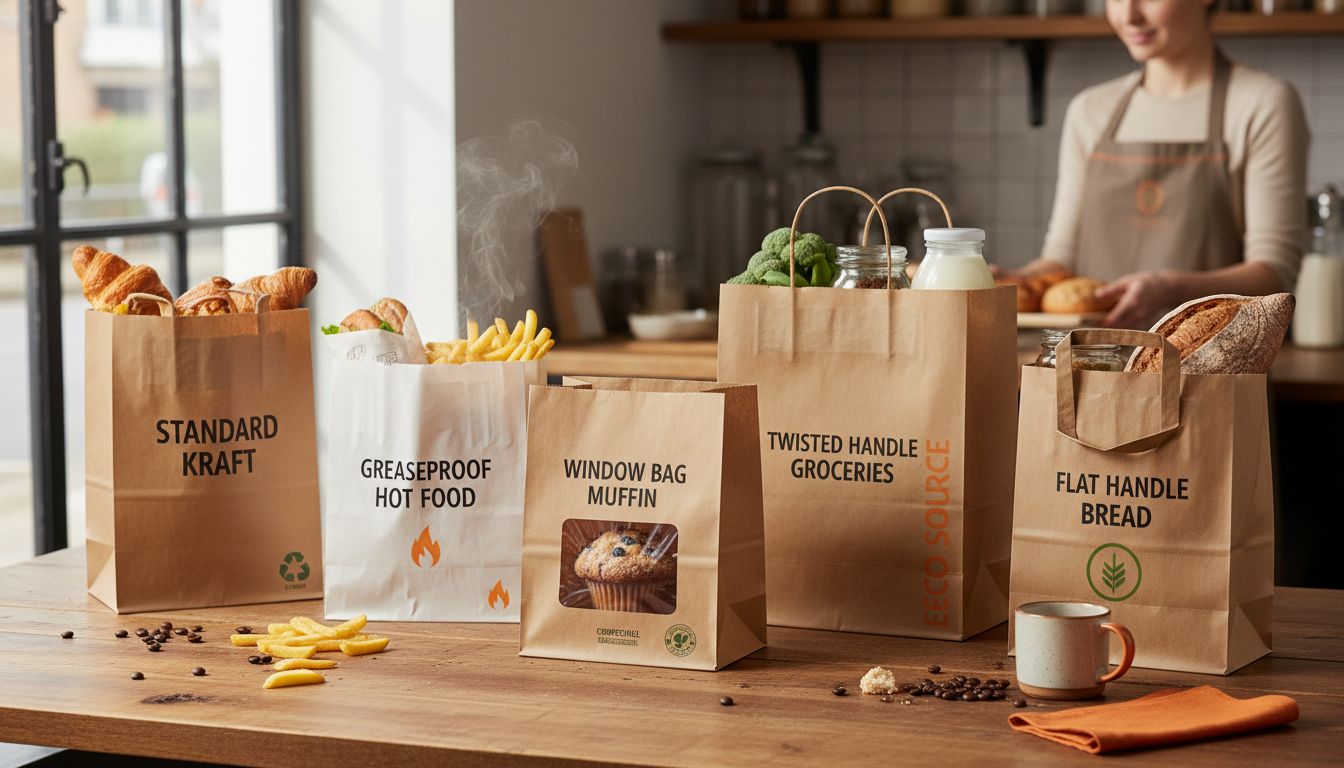
For food businesses seeking to understand the nuanced world of packaging, our guide on kraft paper bags provides comprehensive insights into selecting the most appropriate carrier bag type for specific operational needs.
When selecting paper carrier bags, businesses must consider factors like food weight, moisture content, transportation distance, and brand presentation. The right bag not only protects the food but also communicates the establishment’s commitment to quality and customer experience. Customisation options such as printed logos, size variations, and specific material treatments allow food businesses to transform these functional items into powerful branding tools.
Paper carrier bags have become an essential asset for food service and hospitality businesses, offering far more than simple packaging solutions. These versatile carriers provide multiple strategic advantages that extend beyond basic transportation, transforming how establishments present and deliver their culinary offerings.
The key benefits for food service and hospitality businesses include:
For establishments looking to dive deeper into optimizing their packaging strategy, our guide to takeaway packaging operations provides comprehensive insights into selecting the right packaging solutions.
Moreover, paper carrier bags offer unparalleled versatility across different food service contexts. From quick-service restaurants and cafes to high-end catering businesses, these bags can be tailored to meet specific operational requirements. Businesses can choose from various sizes, handle types, and material strengths to create a packaging solution that perfectly matches their brand identity and functional needs.
Paper carrier bags represent a pivotal solution in addressing environmental challenges within the food service industry, offering a sustainable alternative to traditional plastic packaging. These eco-friendly carriers significantly reduce carbon footprint and contribute to a more responsible approach to waste management and resource conservation.
The key sustainability credentials of paper carrier bags include:
For businesses committed to understanding the broader implications of sustainable packaging, our guide on eco-friendly packaging options provides comprehensive insights into making environmentally responsible choices.
Moreover, the environmental benefits extend beyond immediate waste reduction. By choosing paper carrier bags, food service businesses signal their commitment to corporate social responsibility, potentially attracting environmentally conscious consumers who prioritize sustainability in their purchasing decisions. This strategic approach not only minimizes ecological impact but also enhances brand reputation in an increasingly eco-aware marketplace.
When evaluating packaging solutions, food service businesses face a critical decision between paper, plastic, and alternative carrier options. According to Wikipedia, paper bags emerge as a biodegradable and recyclable alternative that offers significant environmental advantages over traditional plastic packaging.
A comprehensive comparison reveals distinct characteristics of different packaging materials:
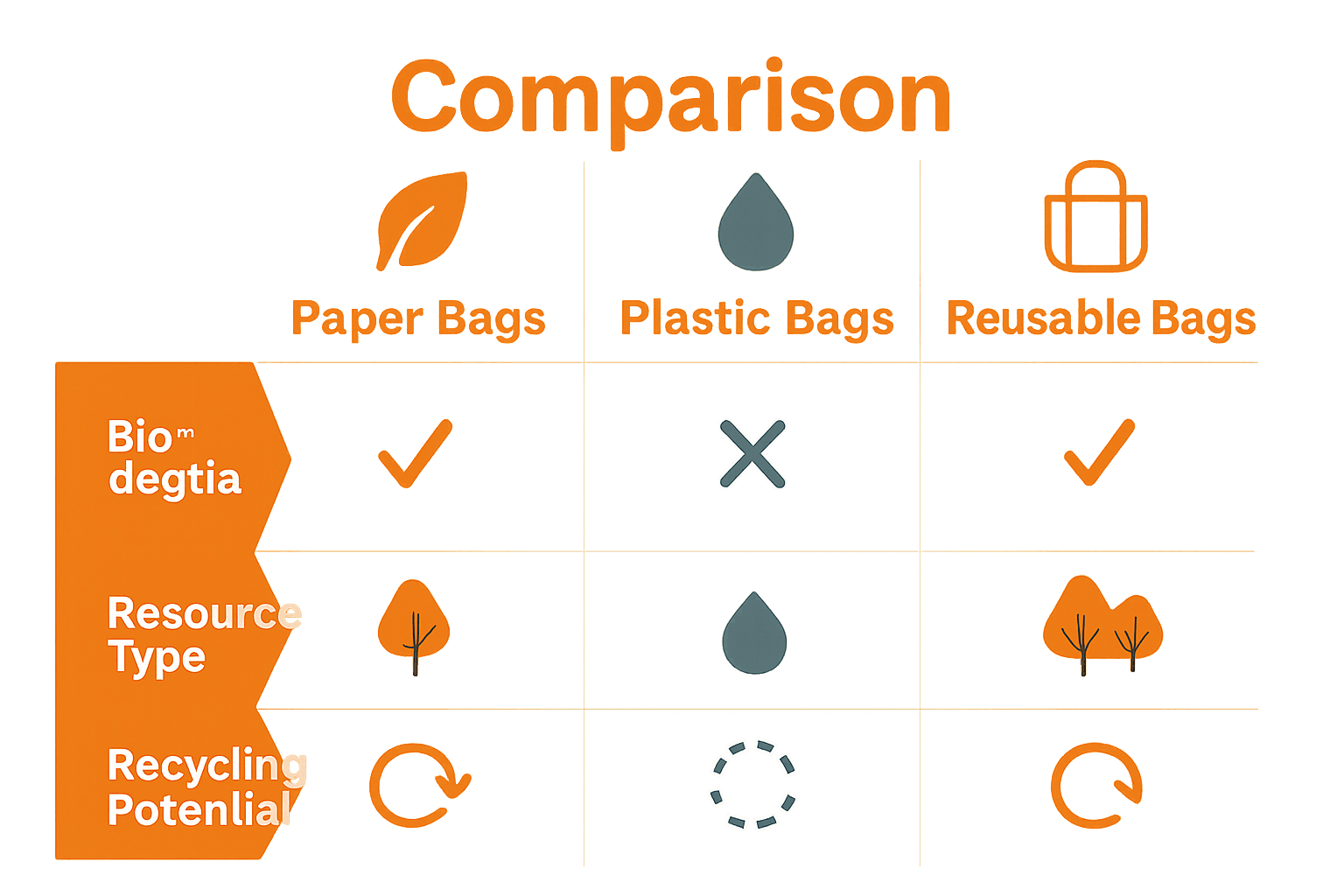
Paper Bags:
Plastic Bags:
Reusable Bags: As noted by Wikipedia, these bags, sometimes called ‘bags for life’, offer a sustainable alternative made from materials like canvas, jute, or synthetic fibers.
For businesses seeking deeper insights into packaging materials, our guide to kraft paper provides comprehensive information about sustainable packaging options.
Ultimately, the choice between packaging materials extends beyond mere functionality. Modern food service businesses must consider environmental impact, brand perception, customer preferences, and long-term sustainability. Paper carrier bags represent a forward-thinking solution that balances practical requirements with environmental responsibility, offering a compelling alternative to traditional packaging materials.
If you are searching for strong and eco-friendly packaging solutions that reflect your commitment to quality and sustainability, understanding why to use paper carrier bags is the first step. This guide highlights how paper carrier bags provide durability, customer appeal, and environmental benefits vital for food service and hospitality sectors. Whether you need greaseproof options or customised print designs, choosing the right packaging can solve common challenges like food safety, brand visibility, and environmental responsibility.
Visit Grab n Go Packaging to explore a broad selection of tailored paper carrier bags and takeaway packaging. Our range supports your business goals with competitive prices, quick ordering, and bespoke solutions designed to elevate your brand while reducing environmental impact. Make the switch to quality paper packaging now for a smarter, sustainable future. Check out our guide on why use kraft paper bags to get inspired and start transforming your takeaway packaging today.
Paper carrier bags are primarily made from kraft paper, a strong and durable material produced through the kraft process, which transforms raw wood pulp into a high-performance packaging medium.
Paper carrier bags offer several benefits for food businesses, including enhanced brand visibility through custom printing, environmental credibility due to their recyclable and biodegradable nature, cost-effectiveness compared to plastic alternatives, improved food safety, and an elevated customer experience.
Paper carrier bags are biodegradable and recyclable, making them a more environmentally friendly option compared to plastic bags, which are non-biodegradable and contribute to long-term pollution. Additionally, paper bags can be made from renewable resources, while plastic bags rely on fossil fuels.
The most suitable types of paper carrier bags for food packaging include standard kraft paper bags for general use, greaseproof paper bags for oily items, window paper bags for enhanced presentation, twisted handle bags for heavier items, and flat handle bags for lighter products.