
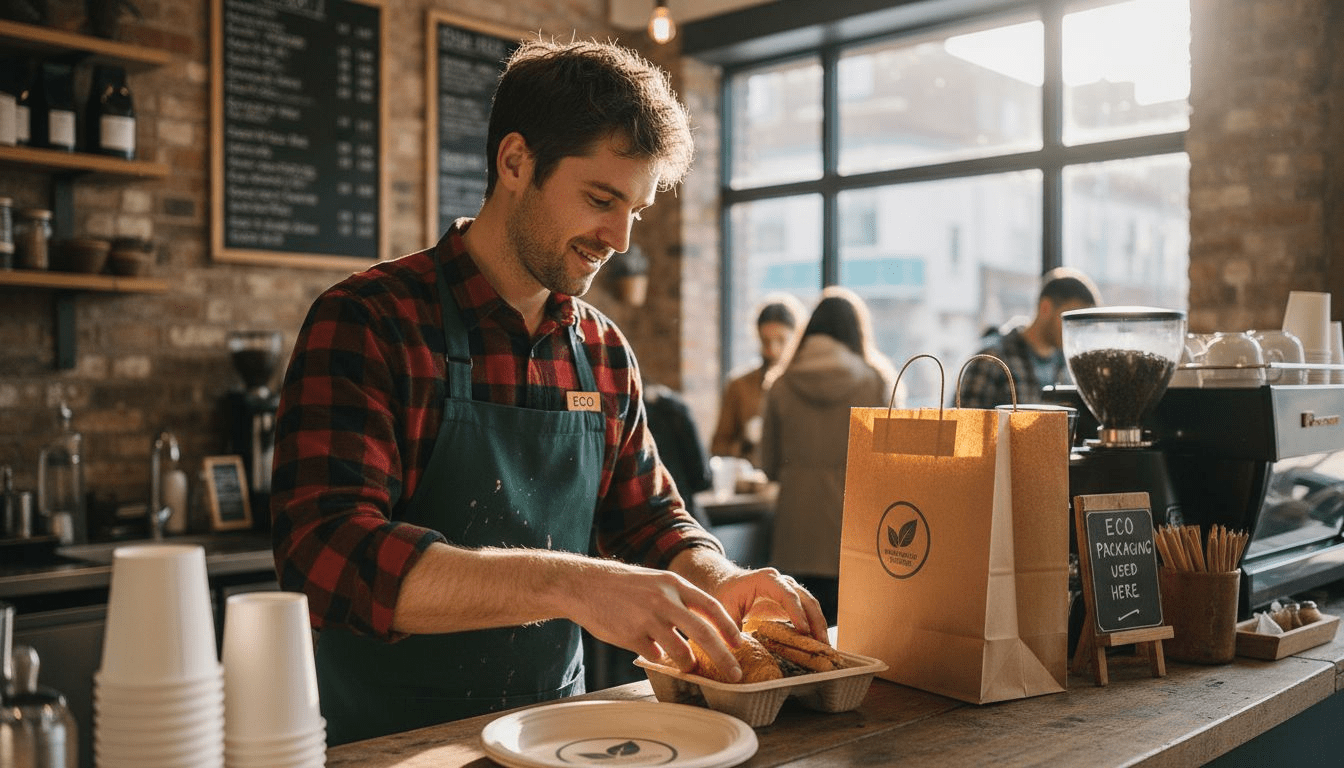
Choosing the right packaging often feels like a balancing act between practicality, cost, and meeting growing eco-friendly expectations in British food service. With new materials making headlines, owners and managers across the United Kingdom are searching for options that genuinely deliver on sustainability. Bagasse packaging, made from sugarcane pulp, stands out for its proven strength and environmental benefits, challenging common misconceptions about compostable products while offering reliable performance for hot and cold foods.
| Point | Details |
|---|---|
| Sustainable Packaging | Bagasse offers an environmentally responsible alternative to traditional packaging, transforming agricultural waste into a valuable resource. |
| Performance Assurance | Bagasse packaging is durable, microwave-safe, and suitable for both hot and cold food, dispelling misconceptions about its reliability. |
| Regulatory Compliance | Adopting bagasse packaging can help businesses adhere to sustainability regulations, promoting a commitment to environmental responsibility. |
| Versatile Formats | A variety of bagasse container designs cater to diverse food service needs, making it easier for businesses to implement sustainable practices. |
Bagasse represents a remarkable sustainable packaging solution derived from sugarcane processing, offering food service businesses an environmentally responsible alternative to traditional packaging materials. Plant-based packaging innovations have transformed how we think about disposable containers, with bagasse emerging as a standout material.
Contrary to widespread misconceptions, bagasse is not a weak or ineffective packaging material. It possesses impressive structural integrity and practical functionality. The fibrous substance is created from sugarcane pulp after juice extraction, transforming what would typically be agricultural waste into a valuable resource. This natural material offers remarkable properties that challenge preconceived notions about compostable packaging:
Many food service professionals initially hesitate to adopt bagasse, believing it lacks the reliability of conventional packaging. However, scientific analysis confirms that bagasse packaging meets rigorous safety and performance standards. Its natural composition provides exceptional thermal resistance, meaning containers maintain structural integrity when holding hot soups, sauces, or freshly prepared meals.
Pro tip: When transitioning to bagasse packaging, conduct small-scale trials to familiarise your team with its unique handling characteristics and performance capabilities.
The production of bagasse packaging is a sophisticated process that transforms agricultural waste into sustainable food packaging solutions. Manufacturing bagasse containers involves several intricate steps that convert sugarcane pulp into versatile packaging materials.
The journey begins with collecting sugarcane bagasse, a fibrous residue left after juice extraction from sugarcane stalks. This agricultural by-product undergoes a meticulous preparation process that includes:
The manufacturing process relies on mechanical techniques that prioritise environmental sustainability. Mechanical pulp processing transforms the raw agricultural waste through advanced thermoforming and compression molding techniques. These methods allow manufacturers to create containers with consistent shapes and sizes, ensuring each piece meets strict food packaging standards.
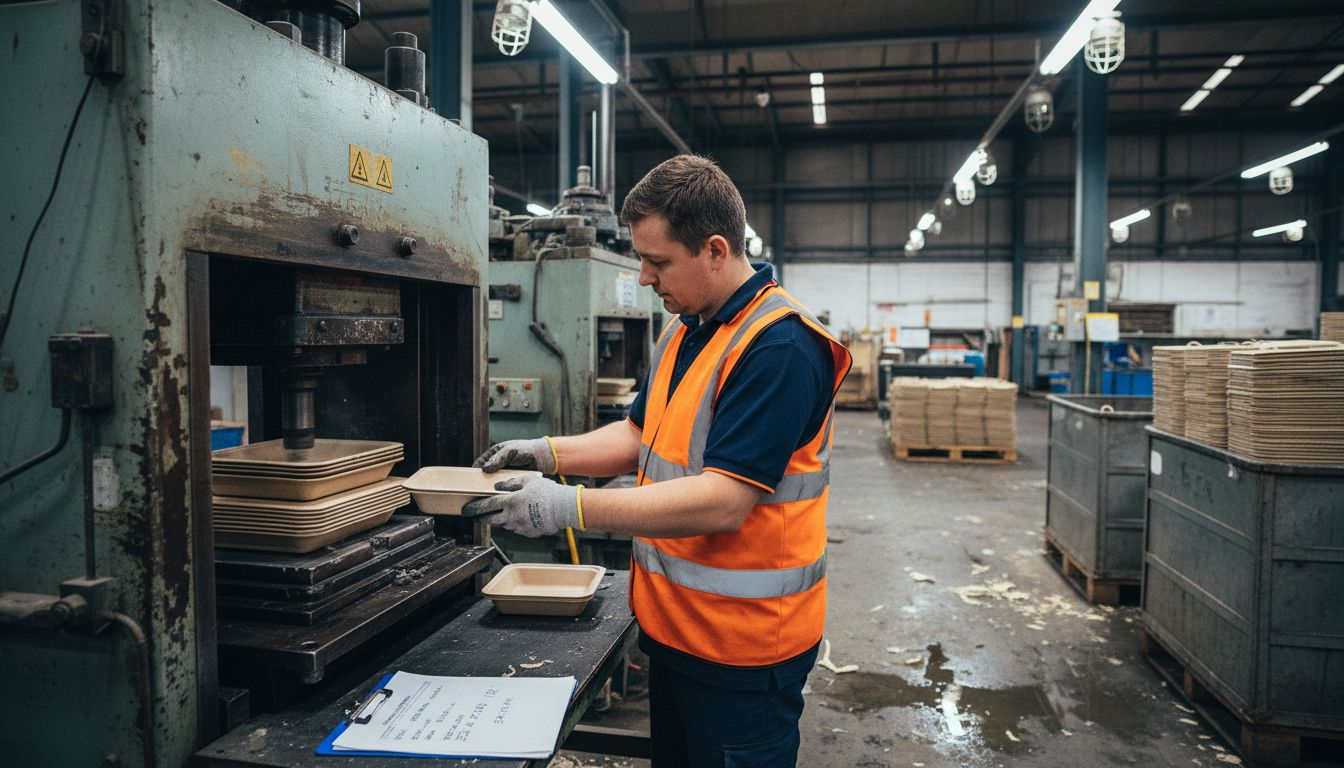
Unique to bagasse packaging is its chemical-free or minimal-chemical production approach. The natural fibres are compressed and shaped without extensive industrial processing, maintaining their biodegradable properties. Manufacturers carefully trim and finish the containers, creating robust packaging solutions that can withstand various food service environments.
Pro tip: Request technical specifications from your bagasse packaging supplier to understand the precise manufacturing parameters and ensure compatibility with your specific food service requirements.
The food service industry has embraced bagasse packaging with remarkable versatility, developing an impressive range of containers designed to meet diverse culinary and operational requirements. Bagasse burger box options represent just one example of the innovative solutions transforming sustainable food packaging.
Bagasse packaging comes in several distinctive formats tailored to specific food service needs:
Each packaging type offers unique advantages for different segments of the food service industry. Restaurants, cafes, food trucks, and catering businesses can select specific bagasse containers that align with their menu requirements, portion sizes, and sustainability goals. The material’s natural thermal insulation properties make these containers particularly effective for both hot and cold food items.
The following table provides an at-a-glance overview of bagasse packaging formats and their ideal business applications:
| Format Type | Typical Use Case | Business Benefit |
|---|---|---|
| Clamshell Containers | Takeaway meals, sandwiches | Maintains heat and structure |
| Burger Boxes | Burgers, wraps, compact meals | Prevents sogginess, easy stacking |
| Round/Rectangular Containers | Soups, salads, hot dishes | Suitable for diverse menus |
| Compartmentalised Trays | Multi-part catering, combo meals | Keeps servings separate |
| Disposable Plates | Events, single-serve portions | Supports high-volume service |
Manufacturers continue to innovate, developing increasingly sophisticated bagasse packaging designs that address specific industry challenges. From leak-resistant seals to stackable configurations, these containers are engineered to provide practical solutions while maintaining environmental responsibility.
Pro tip: Evaluate your specific food service needs by conducting a comprehensive audit of your current packaging usage to identify the most appropriate bagasse container types for your business.
Navigating the complex landscape of sustainability certifications is crucial for food service businesses seeking environmentally responsible packaging solutions. Compost Certification Scheme provides a robust framework for validating the ecological credentials of bagasse packaging in the United Kingdom.
Sustainability certifications for bagasse packaging involve rigorous assessment processes that evaluate multiple environmental performance criteria:
The Recyclability Assessment Methodology mandates comprehensive reporting for packaging materials, directly influencing disposal fees and regulatory compliance. These certification processes help businesses demonstrate their commitment to sustainable practices while providing transparent evidence of their environmental credentials.
Certification bodies thoroughly examine bagasse packaging to ensure it meets stringent UK environmental regulations. This involves testing decomposition rates, verifying material safety, and confirming that the packaging can be effectively processed through industrial composting facilities without introducing harmful contaminants.
Pro tip: Request full certification documentation from your bagasse packaging supplier to understand precisely how their products meet sustainability standards and compliance requirements.
The landscape of food packaging materials has dramatically transformed, with bagasse emerging as a compelling alternative to traditional plastic and paper solutions. Recyclability assessment methodology now heavily prioritises environmentally responsible materials like bagasse over conventional options.
Comparative Analysis reveals significant differences between these packaging materials:
Plastic:
Paper:
Bagasse:
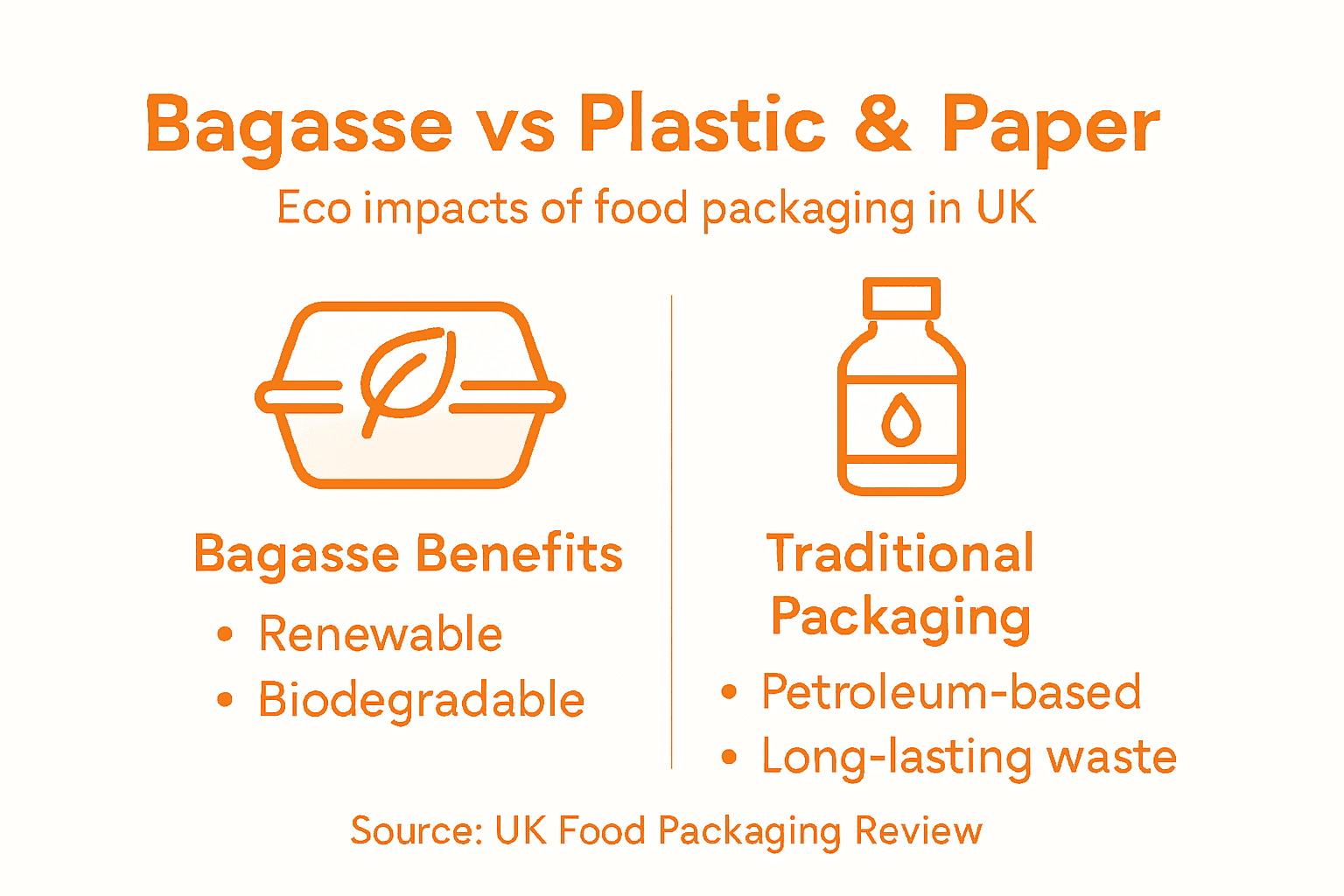
Bagasse distinguishes itself through superior sustainability credentials. Unlike plastic, which can persist in environments for hundreds of years, bagasse breaks down naturally within months. Paper packaging, while seemingly eco-friendly, often requires significant chemical processing and lacks the robust performance characteristics of bagasse.
Here is a summary of key differences between bagasse, plastic, and paper packaging relevant to UK food service decision-makers:
| Packaging Material | Resource Origin | End-of-Life Outcome | Regulatory Consideration |
|---|---|---|---|
| Bagasse | Sugarcane waste (renewable) | Fully compostable, breaks down in months | Meets UK compostability and recyclability standards |
| Plastic | Petroleum-based (non-renewable) | Persistent in environment, limited recyclability | Subject to higher environmental fees and landfill restrictions |
| Paper | Virgin or recycled wood pulp | Moderately recyclable, less durable | Requires chemical processing, scrutinised for water usage |
The UK’s evolving regulatory landscape increasingly incentivises businesses to transition towards materials with lower environmental costs. Bagasse represents a strategic choice for organisations seeking to reduce their carbon footprint while maintaining high-quality packaging standards.
Pro tip: Conduct a comprehensive lifecycle assessment of your current packaging materials to quantify the potential environmental and cost savings when transitioning to bagasse.
Navigating the complex regulatory landscape of food packaging requires a comprehensive understanding of the legal frameworks governing sustainable materials like bagasse. Extended Producer Responsibility regulations have fundamentally transformed how businesses approach packaging sustainability in the United Kingdom.
Regulatory Compliance for bagasse packaging involves multiple critical considerations:
Legal Requirements:
Safety Standards:
Cost Implications:
The UK’s regulatory environment increasingly pressures food service businesses to adopt environmentally responsible packaging solutions. Bagasse represents a strategic choice that not only meets legal requirements but also demonstrates corporate commitment to sustainability.
Manufacturers and distributors must carefully navigate these complex regulations, understanding that compliance goes beyond mere technical requirements. The evolving legal landscape demands proactive engagement with sustainability standards, with potential financial penalties for non-compliance.
Pro tip: Engage a specialised packaging compliance consultant to conduct a comprehensive audit of your current packaging materials and identify potential legal and financial risks.
Businesses in the UK food service sector face the challenge of adopting truly eco-friendly packaging without sacrificing quality or compliance. If you are looking to replace traditional plastic or paper containers with reliable, compostable alternatives that meet strict sustainability and safety standards then bagasse packaging is the solution. This article highlights how bagasse offers durability, thermal resistance and full compostability — ideal for serving hot and cold meals responsibly.
Discover a wide range of bagasse containers, burger boxes and disposable plates at Grabngo Packaging, your trusted partner for UK food packaging supplies. Benefit from competitive pricing, bulk options and expert support to seamlessly transition to sustainable packaging while staying compliant with UK regulations. Act now to reduce your environmental impact and elevate your brand with eco-conscious packaging. Visit Grabngo Packaging today and find the perfect bagasse products for your business needs.
Bagasse is a sustainable packaging material made from the fibrous residue of sugarcane after juice extraction. Its production involves collecting, washing, drying, pulping, and molding this agricultural waste into various container shapes.
Bagasse packaging offers several advantages, including durability, microwave safety, an effective barrier against moisture and oil, and full compostability. It is suitable for both hot and cold food items, making it a versatile option for food service businesses.
Bagasse is fully biodegradable and made from renewable agricultural by-products, whereas plastic is petroleum-based and persistent in the environment. Paper, while recyclable, often requires significant chemical processing and may lack the durability needed for wet or hot foods. Bagasse offers superior sustainability credentials compared to both.
Key regulatory considerations include mandatory reporting of packaging materials, adherence to safety standards for food contact, and compliance with environmental impact regulations. Ensuring that bagasse packaging meets these requirements is crucial for businesses to demonstrate their commitment to sustainability.