

Running a café in the United Kingdom means making choices that affect both your business and the world around you. From coffee cups to cutlery, packaging is no longer just about convenience. Every selection you make carries weight for your brand, customer experience, and the environment. With an estimated 2.5 billion paper coffee cups discarded in the UK each year, and only 0.25 percent being recycled, the impact of single-use items is impossible to ignore.
This guide will help you choose packaging options that tick every box: protecting food, supporting branding, and reducing waste. You will discover practical insights for each essential item, with strategies based on real UK research and regulations. Get ready for actionable tips that can strengthen your brand’s identity while meeting tough sustainability standards.
| Key Insight | Explanation |
|---|---|
| 1. Prioritise sustainable paper cups | Sustainable, recyclable paper cups enhance branding while addressing environmental concerns in the UK’s disposable cup crisis. |
| 2. Select proper takeaway containers | Choosing the right food containers improves food safety, quality, and customer satisfaction, while helping reduce waste. |
| 3. Invest in eco-friendly sleeves and lids | Eco-friendly coffee sleeves and lids attract customers and lower the environmental impact, enhancing brand perception. |
| 4. Use high-quality greaseproof paper | High-quality greaseproof paper maintains food integrity and enhances presentation while minimising environmental impact. |
| 5. Choose reusable or compostable bags | Reusable and compostable bags align with new UK regulations, significantly reducing plastic waste and enhancing brand reputation. |
Paper cups represent far more than a simple beverage container for cafés across the United Kingdom. They are powerful branding tools that communicate your business identity while serving a critical functional purpose for hot drink service.
In the UK, coffee cup packaging has become a significant environmental concern. Research reveals that approximately 2.5 billion coffee cups are discarded annually with an alarmingly low recycling rate of just 0.25 percent. This statistic underscores the importance of selecting sustainable and responsible packaging solutions.
Key considerations for selecting paper cups include:
Branding opportunities through paper cups are substantial. By designing visually appealing and strategically branded cups, cafés can transform a simple disposable item into a mobile marketing tool. The cups become walking advertisements that extend your brand’s visibility beyond the immediate café environment.
Effective packaging design can increase brand recognition by up to 80% through consistent visual messaging.
When selecting paper cups, UK café owners must also consider legal requirements. The Food Standards Agency mandates that packaging display mandatory food information accurately and avoid misleading representations.
Consider these practical branding strategies:
Pro tip: Invest in sustainable, recyclable paper cups with premium printing to simultaneously communicate environmental responsibility and maintain high-quality branding standards.
Takeaway food containers are the unsung heroes of the modern café and restaurant ecosystem. They do far more than merely transport meals – they are critical guardians of food quality, safety, and customer satisfaction.
Choosing the right container involves understanding complex considerations beyond simple storage. Environmental impacts vary significantly between container materials, with factors like recyclability and food preservation performance playing crucial roles in selection.
Key considerations for selecting takeaway containers include:
The Food Standards Agency emphasises that container selection is not merely a packaging decision but a critical food safety protocol. Proper containers must prevent cross-contamination, maintain appropriate temperatures, and protect against potential allergen spread.
Selecting the right takeaway container can reduce food waste by up to 30% through superior preservation techniques.
Modern café owners should consider these practical selection strategies:
Pro tip: Invest in versatile, multi-compartment containers that maintain food separation and freshness while demonstrating your commitment to quality presentation.
Coffee sleeves and lids represent more than mere accessories – they are critical touchpoints for sustainability in modern café operations. These seemingly simple items can significantly impact both customer experience and environmental responsibility.
Reusable coffee cup initiatives demonstrate how innovative packaging solutions can transform waste management in the hospitality sector. Modern café owners now have unprecedented opportunities to reduce single-use plastic consumption through strategic packaging choices.
Key advantages of eco-friendly coffee sleeves and lids include:
The evolution of sustainable packaging has introduced remarkable innovations. Compostable and recyclable options now provide café owners with practical alternatives to traditional plastic-based accessories.
Sustainable packaging choices can reduce waste by up to 70% compared to conventional single-use materials.
When selecting eco-friendly coffee accessories, consider these strategic approaches:
Pro tip: Prioritise suppliers offering comprehensive sustainable packaging solutions that balance environmental responsibility with practical performance requirements.
Greaseproof paper represents an essential packaging solution for cafés seeking to maintain food quality while presenting a professional and hygienic presentation. These specialised papers serve as critical barriers protecting both food integrity and customer experience.
The critical importance of selecting appropriate packaging has never been more pronounced, especially with growing concerns about chemical safety in food packaging. Modern café owners must navigate complex considerations around material safety, environmental impact, and practical functionality.
Key advantages of high-quality greaseproof paper include:
The Confederation of Paper Industries highlights the ongoing innovations in sustainable packaging materials. These developments provide café owners with increasingly sophisticated options that balance performance and environmental responsibility.
Selecting the right greaseproof paper can reduce food waste and improve overall customer satisfaction by maintaining product quality.
When evaluating greaseproof paper for your café, consider these strategic approaches:
Pro tip: Prioritise greaseproof papers that offer a balance between functional performance, food safety, and sustainable manufacturing practices.
Reusable and compostable bags represent a critical evolution in café packaging strategies, addressing both environmental sustainability and customer expectations. These innovative solutions offer café owners a pathway to reduce waste and demonstrate environmental responsibility.
The United Kingdom’s waste management landscape is rapidly changing, with new regulations transforming recycling practices. Café owners must now navigate complex considerations around bag selection and disposal, ensuring their packaging choices align with emerging environmental standards.
Key advantages of reusable and compostable bags include:
The Compostable Materials Certification Scheme provides critical guidance for businesses seeking sustainable packaging solutions. Understanding certification standards helps café owners make informed purchasing decisions.
Sustainable packaging choices can reduce waste stream contributions by up to 60% compared to traditional single-use alternatives.
When evaluating reusable and compostable bag options, consider these strategic approaches:
Pro tip: Select compostable bags that are certified for both home and industrial composting to maximise environmental benefits and provide flexibility in waste management.
Cutlery and stirrers are more than simple dining accessories – they represent a critical opportunity for cafés to demonstrate environmental responsibility and forward-thinking business practices. The landscape of foodservice packaging is rapidly transforming, with sustainability at its core.
Single-use plastic cutlery will soon be banned in England, compelling café owners to explore innovative and environmentally conscious alternatives. This regulatory shift demands proactive strategic planning from food service businesses.
Key considerations for sustainable cutlery selection include:
Zero Waste Scotland provides critical guidance, recommending that businesses prioritise reusable options wherever possible. Understanding the nuanced challenges of cutlery selection can significantly enhance a café’s sustainability credentials.
Sustainable packaging choices can reduce waste stream contributions by up to 70% compared to traditional single-use alternatives.
When evaluating sustainable cutlery options, consider these strategic approaches:
Pro tip: Invest in multi-use or biodegradable cutlery that aligns with emerging environmental regulations and demonstrates your commitment to sustainable practices.
Printed packaging represents a sophisticated marketing tool that transforms ordinary containers into powerful brand communication channels for modern cafés. These customised solutions offer far more than mere containment – they create memorable customer experiences.
Café owners must navigate complex packaging and labelling regulations when designing promotional materials. Successful custom packaging requires a delicate balance between creative branding and strict legal compliance.
Key strategic advantages of printed packaging include:
The Foodservice Packaging Association emphasises the importance of ethical and strategic packaging design. Custom printed packaging is not merely decorative but a sophisticated communication tool that can significantly influence customer perception.
Thoughtfully designed packaging can increase brand recall by up to 65% among consumers.
When developing custom printed packaging strategies, consider these approaches:
Pro tip: Invest in professionally designed packaging that tells your café’s unique story while maintaining clean, readable graphics and adhering to food safety guidelines.
Below is a summary table presenting the core discussion points and strategies outlined in the article, providing a structured comparison of sustainable packaging options for cafés and their benefits.
| Packaging Type | Key Features | Advantages | Practical Strategies |
|---|---|---|---|
| Paper Cups (Hot Drinks) | Heat retention, structural integrity, branding potential | Marketing tool, functional purpose, low recycling rates | Opt for sustainable and food-safe materials |
| Takeaway Food Containers | Temperature maintenance, food safety, environmental sustainability | Reduces food waste, ensures safety, better quality maintenance | Select materials with high recycling rates and cost efficiency |
| Coffee Sleeves and Lids | Recycled/compostable material options | Enhances sustainability, reduces waste, aligns with regulations | Prioritise compostable materials and superior printed branding |
| Greaseproof Paper (Sandwiches) | Moisture resistance, food safety certified | Maintains food quality, improves presentation | Ensure material safety and sustainable production practices |
| Reusable/Compostable Bags | Durable, environmentally friendly materials | Lowers plastic usage, aligns with regulations | Choose certified home-compostable options |
| Sustainable Cutlery | Alternatives to single-use plastics | Decreases environmental impact, supports waste reduction | Use reusable or biodegradable options |
| Custom Printed Packaging | Branding and legal compliance | Enhances brand visibility, compliance assurance | Integrate sustainable materials with professional designs |
Managing café packaging challenges such as maintaining food freshness, supporting sustainable practices, and creating impactful branding requires a reliable partner offering high-quality, eco-friendly options. Whether you need heat-retentive paper cups, innovative takeaway containers, or custom printed coffee sleeves that express your brand story, finding packaging that balances performance with environmental responsibility is essential for UK café owners aiming to stand out.
At Grab & Go Packaging, you can explore a broad range of essential café packaging supplies designed specifically for foodservice businesses that prioritise quality and sustainability. From disposable cups to compostable bags and bespoke greaseproof paper, our selection helps you achieve:
Explore our full range of products and make your café’s packaging a powerful asset.
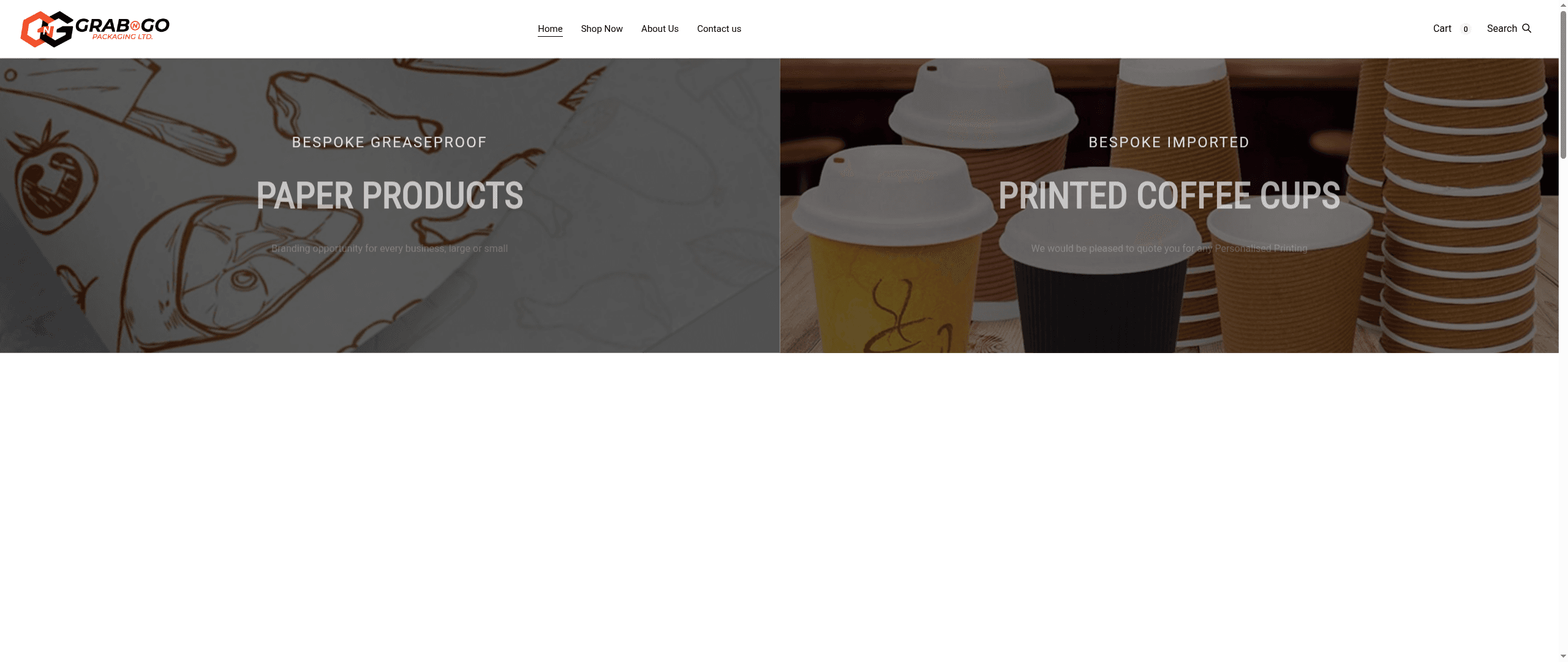
Don’t wait to transform your packaging into a competitive advantage. Visit Uncategorized – Grab & Go Packaging today and discover versatile, eco-conscious solutions tailored for your café’s unique needs. Take the next step in sustainable, professional packaging by shopping now at Grab & Go Packaging.
Selecting paper cups involves considerations such as heat retention, structural integrity, brand potential, environmental impact, and compliance with food safety regulations. Ensure you evaluate each factor to choose cups that effectively represent your brand while meeting functional needs.
Takeaway food containers are essential for maintaining temperature, preventing cross-contamination, and ensuring food safety. Opt for containers that provide good temperature retention and are compliant with food safety standards to enhance customer satisfaction and reduce waste.
Eco-friendly coffee sleeves and lids help reduce your environmental footprint while enhancing your brand’s perception among consumers. Consider using compostable or recyclable materials to show your commitment to sustainability and attract environmentally conscious customers.
When selecting greaseproof paper, focus on moisture resistance, chemical safety, and environmental impact. Test different options to find the one that best protects food quality and aligns with your sustainability goals.
Using reusable and compostable bags reduces plastic waste and meets emerging environmental regulations. Assess your bag options for durability and compostability to ensure they align with both compliance needs and customer expectations.
Printed packaging serves as a powerful marketing tool by increasing brand recognition and customer engagement. Design eye-catching packaging that reflects your café’s identity, as effective branding can enhance customer recall by up to 65%.