
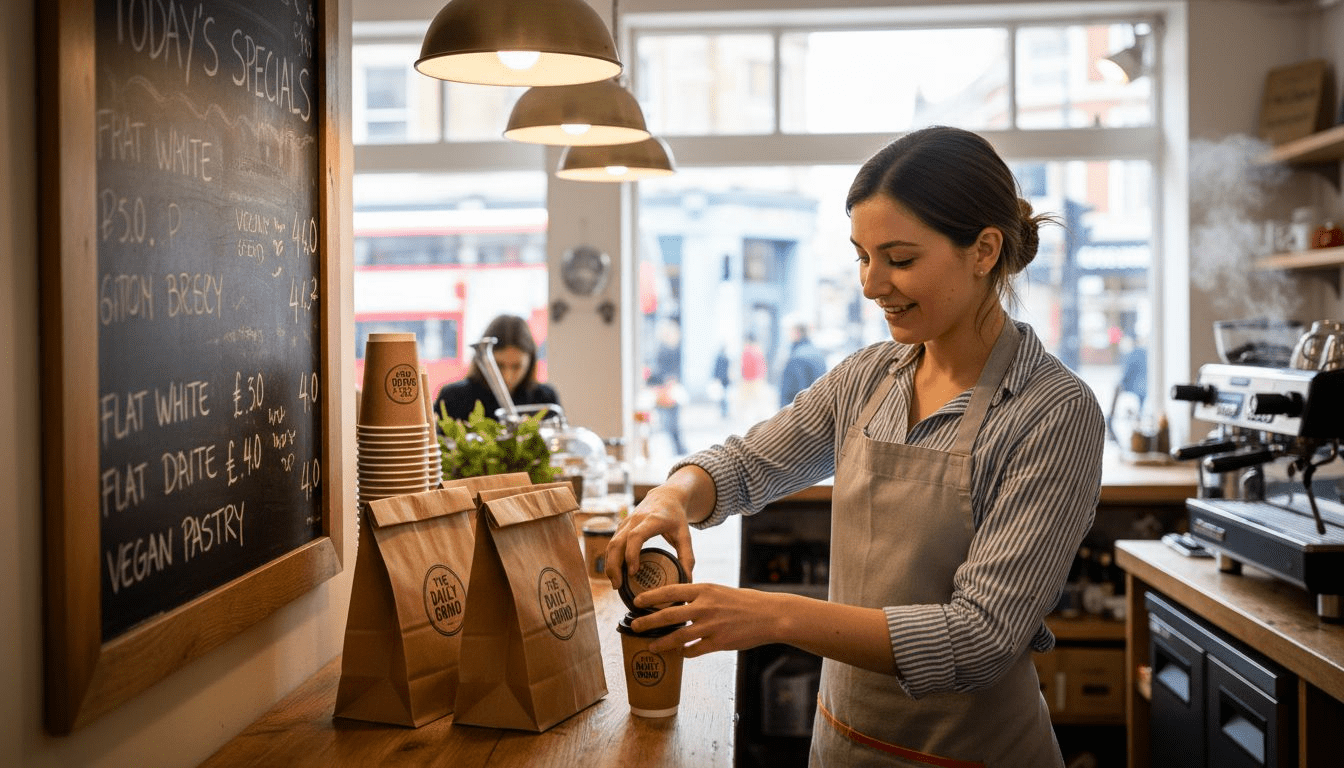
Choosing the right printed packaging is a daily challenge for every cafe and takeaway manager aiming to impress customers while controlling costs. Packaging does more than keep food safe—it becomes your brand’s first impression and a silent messenger of quality. With strict UK laws for labelling and safety, and rising demand for custom designs that reflect your cafe’s unique character, finding options that balance compliance, style, and value can make all the difference. Discover practical ways to turn everyday containers into powerful marketing tools that attract new customers and encourage repeat visits.
| Point | Details |
|---|---|
| Printed Packaging as a Communication Tool | It serves not only to contain food but also to convey essential information, ensuring compliance with legal and safety standards. |
| Importance of Sustainable Choices | Cafes should prioritise environmentally friendly packaging options that enhance brand image and resonate with eco-conscious consumers. |
| Effective Branding Through Design | Customised packaging transforms a simple container into a marketing asset, strengthening brand identity and customer loyalty. |
| Navigating Cost Factors | A comprehensive approach to packaging costs, considering long-term value and brand perception, is essential for financial sustainability. |
Printed packaging in the food service sector represents far more than just a container for transporting meals. It serves as a crucial communication tool that bridges the gap between food producers and consumers, ensuring both safety and brand representation. The primary function of printed packaging extends beyond simple containment, encompassing legal compliance, consumer information, and marketing strategies.
According to the Food Information to Consumers (FIC) Regulation, printed packaging must include critical details such as:
These mandatory requirements ensure transparency and protect consumer health while providing essential product insights. The packaging itself becomes a legal document, communicating vital information directly to the end-user.
Printed packaging in food service also plays a significant role in brand communication and marketing. Graphic design elements on packaging are strategically used to attract consumer attention, differentiate products, and create memorable brand experiences. For UK cafes, this means transforming a simple container into a powerful marketing asset that extends brand identity beyond the physical food product.
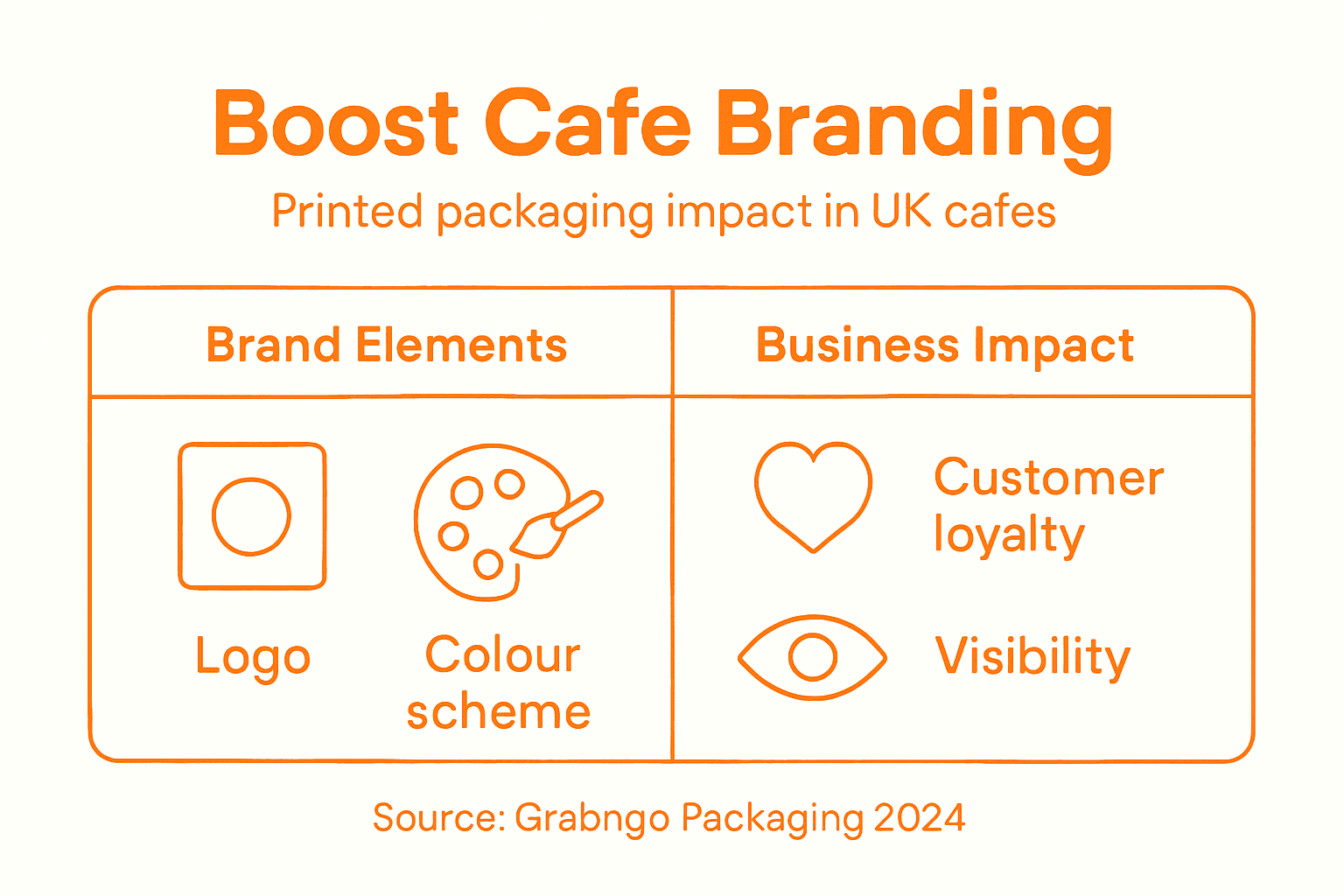
Pro tip: Invest in high-quality printed packaging that balances regulatory compliance with compelling visual design to create a memorable customer experience.
UK cafes have a diverse range of printed packaging solutions that go far beyond mere food containment. These packaging types are strategically designed to serve multiple functions, including food safety, brand representation, and environmental sustainability. Understanding the various options allows cafe owners to make informed decisions that align with their business goals and customer expectations.
The primary types of printed packaging for cafes include:
Modern cafe packaging isn’t just about holding food – it’s a sophisticated communication tool. The visual design of these packaging solutions plays a crucial role in creating brand recognition and customer experience. Each printed container becomes a mobile advertisement, carrying the cafe’s brand message beyond its physical premises.
Environmental considerations are increasingly driving packaging choices for UK cafes. Many businesses now prioritise sustainable printed packaging that demonstrates their commitment to ecological responsibility. This means selecting materials that are not only visually appealing and functional but also biodegradable, compostable, or easily recyclable.
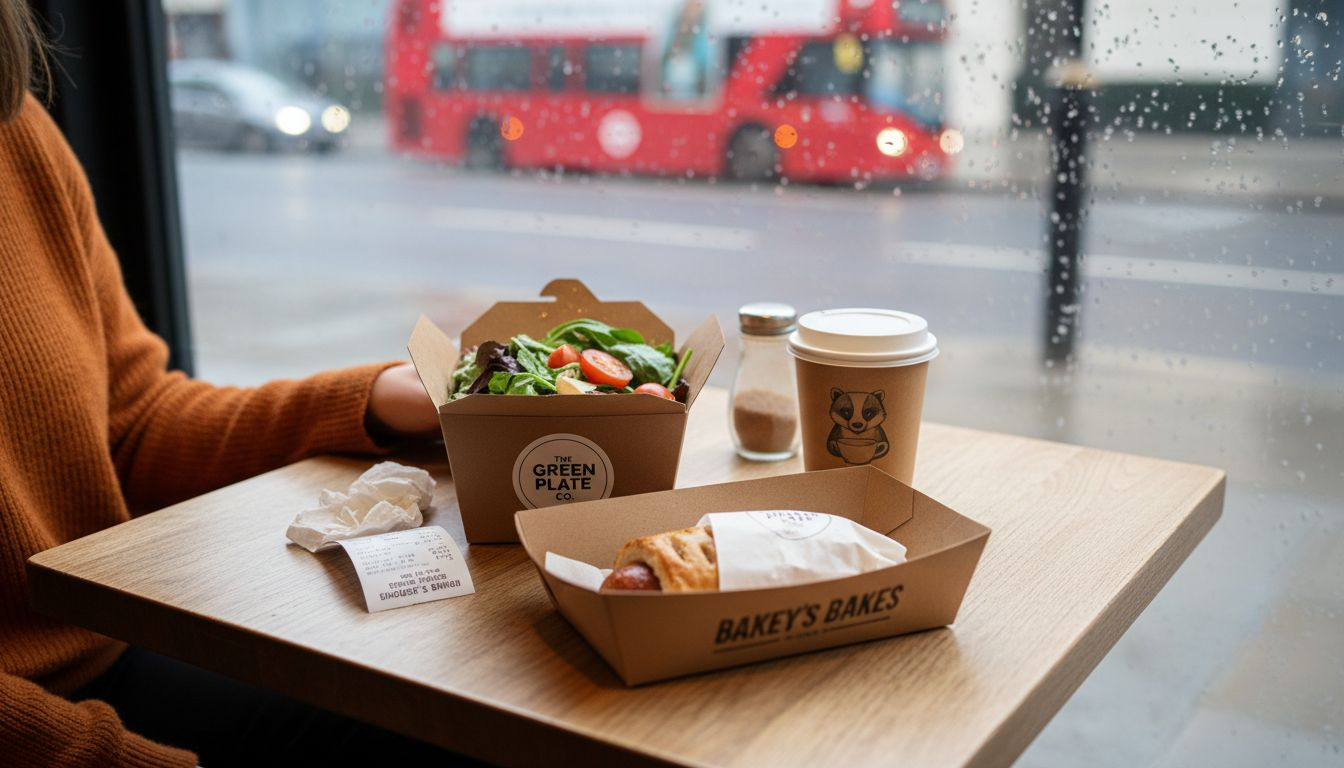
Here is a comparison of printed packaging materials commonly used by UK cafes and their business impacts:
| Packaging Type | Material Sustainability | Branding Opportunities | Business Impact |
|---|---|---|---|
| Double-wall coffee cups | Biodegradable options | Fully customisable print | Reduces waste, boosts brand |
| Kraft food trays | Recycled kraft paper | Limited space for graphics | Eco-friendly, cost-effective |
| Compostable sandwich packs | Plant-based polymers | Logo and messaging possible | Appeals to green consumers |
| Recyclable salad boxes | Cardboard + lining | Custom design flexibility | Easy recycling, versatile |
| Varied bowls/containers | Mixed sustainable types | Ample branding area | Adapts to diverse menus |
Pro tip: Invest in versatile printed packaging that balances aesthetic appeal, brand messaging, and environmental sustainability to create a memorable customer experience.
Printed packaging offers UK cafes a powerful strategic tool for enhancing brand communication beyond traditional marketing channels. By transforming everyday packaging into a dynamic branding platform, cafes can create lasting impressions that extend far beyond the initial customer interaction.
The key branding and marketing advantages of printed packaging include:
Smart cafe owners understand that packaging design is more than aesthetic decoration. Each printed container becomes a silent ambassador, carrying the cafe’s narrative into different environments. When customers walk down a street with a distinctively branded coffee cup or food container, they effectively become walking billboards, generating organic brand awareness.
Moreover, printed packaging provides an opportunity to showcase a cafe’s unique values and personality. Whether highlighting commitment to sustainability, local sourcing, or artisanal craftsmanship, packaging becomes a communication medium that speaks volumes about the brand’s identity and ethos.
Pro tip: Design packaging that tells a story, reflecting your cafe’s unique character and values to create an instant emotional connection with customers.
Customisation in printed packaging represents a sophisticated intersection between functional design and brand expression for UK cafes. The ability to transform a simple container into a powerful communication tool requires careful consideration of both aesthetic and practical elements that serve multiple business objectives.
Key design features that combine customisation and functionality include:
The technical aspects of packaging design go far beyond visual appeal. Cafe owners must consider practical elements such as material durability, moisture resistance, and compatibility with different food types. A well-designed package must protect its contents while simultaneously communicating the brand’s identity and commitment to quality.
Furthermore, modern packaging design embraces both form and function. Innovative cafes are now exploring customisation options that integrate smart features like QR codes for digital menus, nutritional information, or loyalty programme sign-ups. These technological integrations transform packaging from a mere container into an interactive brand experience that extends customer engagement beyond the physical product.
This summary highlights the effects of key packaging design features on customer experience and operational efficiency:
| Design Feature | Customer Experience Impact | Operational Benefit |
|---|---|---|
| Modular construction | Streamlines portion control | Reduces product waste |
| Ergonomic handles | Easier to carry items | Minimises accidents/spills |
| Thermal insulation | Keeps food at ideal temp | Prevents quality complaints |
| QR code integration | Interactive brand engagement | Simplifies menu updates |
Pro tip: Invest in packaging design that balances aesthetic appeal with functional performance, creating a holistic brand experience that delights customers.
UK cafes must navigate a complex landscape of food packaging legal requirements that prioritise consumer safety and information transparency. Understanding these regulations is crucial for maintaining compliance and protecting both the business and its customers.
Key legal requirements for food packaging include:
The Food Information to Consumers (FIC) Regulation establishes stringent guidelines that UK cafes must follow. This includes providing comprehensive details about food products, ensuring packaging materials are safe for direct food contact, and maintaining clear communication about potential allergens. Businesses must be proactive in understanding these regulations, which often incorporate retained European Union standards.
Moreover, packaging safety standards extend beyond mere information provision. Cafes must ensure their packaging is explicitly marked ‘for food contact’, uses approved materials, and meets specific compositional requirements. This involves careful selection of packaging materials, understanding their chemical composition, and maintaining rigorous quality control processes.
Pro tip: Regularly consult official food safety guidance and maintain detailed documentation of packaging material safety to ensure ongoing regulatory compliance.
Cafe owners must carefully navigate the complex landscape of packaging cost considerations to maintain both financial sustainability and brand quality. Understanding the multifaceted factors that influence packaging expenses is crucial for making informed strategic decisions.
Key cost factors and potential pitfalls include:
The true cost of packaging extends far beyond the initial purchase price. Many cafe owners fall into the trap of selecting the cheapest option without considering downstream implications. This myopic approach can lead to increased expenses through product damage, customer dissatisfaction, and inefficient packaging solutions that ultimately cost more in the long run.
Moreover, strategic packaging investment requires a holistic view of expenses. This means evaluating not just the direct cost of packaging materials, but also considering factors such as brand perception, environmental impact, and potential waste reduction. Smart cafe owners will look beyond the price tag to understand the comprehensive economic and brand value of their packaging choices.
Pro tip: Conduct a comprehensive cost-benefit analysis that considers long-term value, brand perception, and potential savings from efficient packaging design.
In today’s competitive UK cafe market, printed packaging is more than just a container. It is a powerful tool to communicate your brand story, ensure legal compliance, and appeal to eco-conscious customers. If you want to overcome challenges like balancing sustainability with bold branding, or maintaining food safety while delighting customers, you need packaging that truly works for your business.
Explore a vast selection of customisable and standard packaging options at Grabngo Packaging. Whether you need biodegradable coffee cups with vibrant printing or compostable sandwich boxes that reflect your green values, our range supports your goal of creating a memorable customer experience. Don’t wait to turn your packaging into a mobile marketing asset and a compliance champion. Visit Grabngo Packaging now to find affordable, high-quality solutions that boost your cafe’s brand presence instantly.
Printed packaging serves as both a protective container and a communication tool for cafes, ensuring legal compliance, providing consumer information, and enhancing brand representation.
Cafes can opt for various printed packaging solutions including double-wall coffee cups, kraft food trays, compostable sandwich packaging, recyclable salad boxes, and versatile bowls and containers, each tailored to meet specific food service needs.
Printed packaging acts as a mobile advertisement, allowing cafes to use visual storytelling to engage customers, differentiate their products, and create emotional connections, ultimately boosting brand recognition and loyalty.
Cafes must comply with mandatory labelling requirements, ensure material safety for food contact, provide clear nutritional information, and maintain traceability to guarantee consumer safety and transparency.