
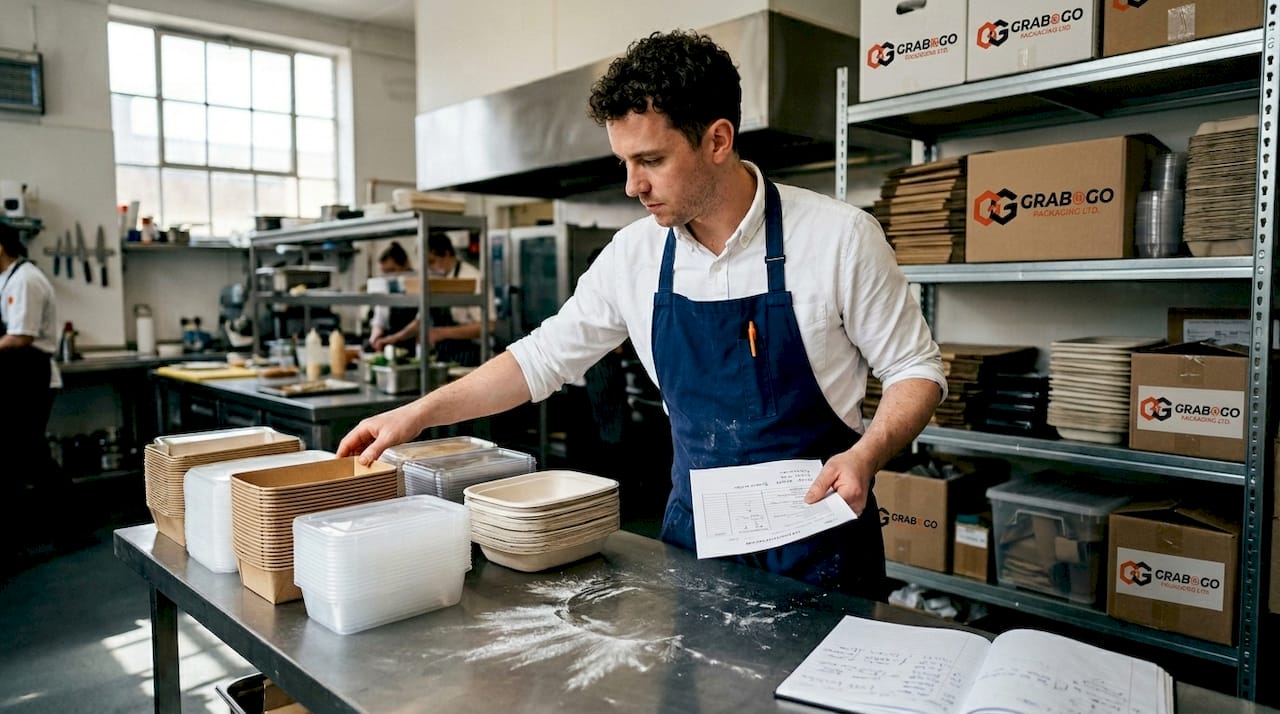
Poor packaging choices cost catering businesses more than just money. When food arrives damaged, leaking, or unappealing, customer satisfaction plummets and your reputation suffers. Yet many food service professionals struggle to implement effective packaging systems that preserve food quality whilst enhancing presentation. This comprehensive guide walks you through every stage of catering packaging, from selecting the right materials to verifying quality before dispatch, ensuring your offerings arrive in perfect condition every time.
| Point | Details |
|---|---|
| Right packaging materials | Select materials tailored to each menu item to protect quality and presentation while reducing waste. |
| Temperature control during packing | Maintain hot items above 63°C and cold items below 8°C throughout the packaging process. |
| Clear labelling for safety | Provide clear labels with allergen and reheating information to support safe delivery. |
| Quality verification steps | Use temperature monitoring and seal checks to verify packaging integrity before dispatch. |
| Packaging specification sheets | Create item specific specification sheets noting container type lid style and sealing requirements to ensure consistency. |
Before packaging a single item, you need the right materials and a clear understanding of your specific catering requirements. Different food types demand distinct packaging solutions, and selecting inappropriate containers leads to soggy pastries, crushed sandwiches, or temperature loss that compromises food safety.
Start by auditing your typical catering menu. Hot dishes require insulated containers that maintain temperature for at least two hours. Cold items need ventilated packaging that prevents condensation buildup. Delicate items like canapés demand rigid containers with compartments to prevent movement during transport. Choosing appropriate packaging materials tailored to catering needs improves food quality and reduces waste.
Your essential packaging toolkit should include:
The packaging selection process involves balancing functionality, cost, and sustainability. Evaluate materials based on these critical factors:
| Material Type | Best For | Advantages | Limitations |
|---|---|---|---|
| Bagasse (sugarcane) | Hot and cold foods | Compostable, sturdy, microwave-safe | Higher cost than polystyrene |
| Kraft card | Sandwiches, pastries | Recyclable, professional appearance | Not suitable for wet foods |
| PET plastic | Cold salads, desserts | Crystal-clear visibility, recyclable | Not heat-resistant |
| Aluminium foil | Hot dishes, reheating | Excellent heat retention, oven-safe | Not microwave-safe |
| Compostable PLA | Cold items only | Fully biodegradable | Melts above 40°C |
Storage conditions directly impact packaging performance. Keep materials in a dry, temperature-controlled environment away from direct sunlight. Cardboard absorbs moisture from humid air, weakening structural integrity before you even pack food. Stack containers properly to prevent crushing, and rotate stock using first-in, first-out principles to avoid using materials past their optimal condition.
Pro Tip: Create a packaging specification sheet for each menu item, noting container type, lid style, and any special sealing requirements. This ensures consistency across staff members and prevents costly mistakes during busy service periods.
Equipment matters as much as materials. Invest in a quality heat sealer for film-topped containers, ensuring airtight seals that prevent leaks and extend shelf life. Label printers that produce waterproof, smudge-resistant tags save time whilst maintaining professional standards. Temperature monitoring devices help verify that hot foods stay above 63°C and cold items remain below 8°C throughout the packaging process.
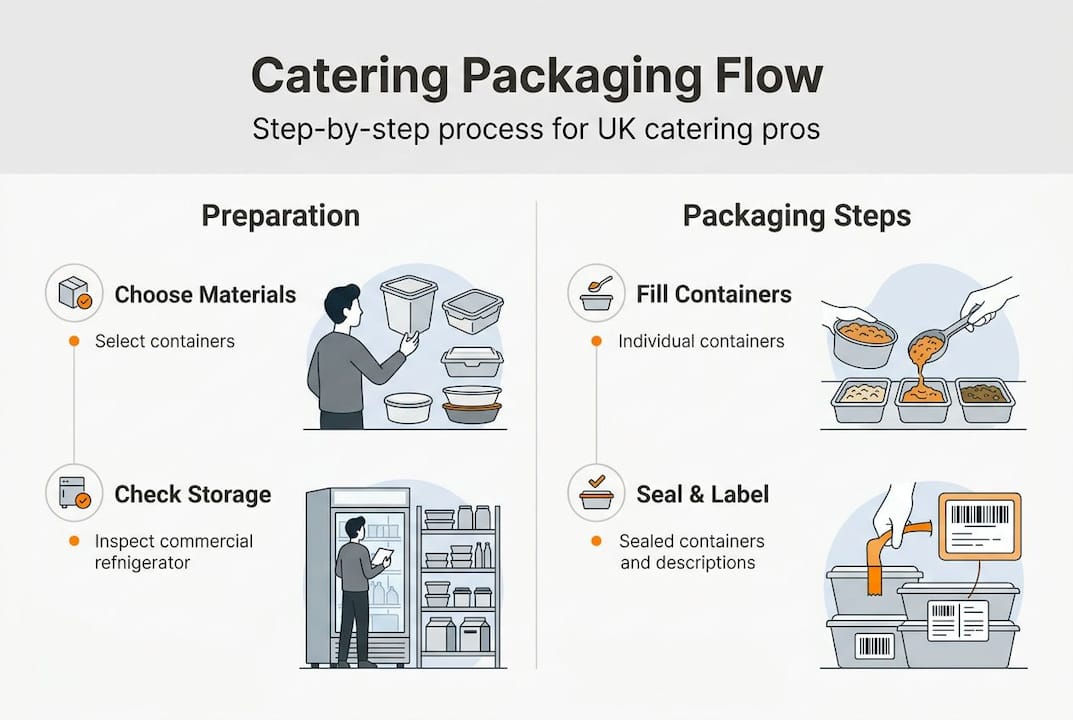
Systematic packaging procedures prevent errors and maintain consistency across every order. Following best practices in food packaging improves delivery outcomes and customer satisfaction. This methodical approach ensures nothing gets overlooked during peak service times.
Prepare your workspace: Sanitise all surfaces and wash hands thoroughly. Set out the specific containers, lids, labels, and sealing equipment needed for the order. Verify that hot holding equipment maintains food at safe temperatures whilst you package items sequentially.
Portion accurately: Use calibrated scoops or scales to ensure consistent serving sizes. Overfilling containers prevents proper lid sealing and creates mess during transport. Leave at least 1cm clearance from the rim for secure closure. For layered items like lasagne, allow space for any settling that occurs during transport.
Control temperature zones: Package hot and cold items separately, never combining them in the same container or bag. Hot foods should be packaged immediately after cooking whilst still above 63°C. Cold items come directly from refrigeration at 5°C or below. This separation prevents dangerous temperature abuse in the 8-63°C danger zone where bacteria multiply rapidly.
Seal systematically: Apply lids firmly, checking that all edges click into place. For film-sealed containers, ensure the sealing temperature matches the material specifications. Test each seal by gently pressing the centre. Air should not escape, and the film should remain taut. Tamper-evident seals provide additional food safety assurance and build customer confidence.
Label comprehensively: Every package requires clear identification including dish name, allergen warnings, use-by date, and reheating instructions where applicable. Position labels where they remain visible but don’t obscure the food. Include your business name and contact information for traceability. Colour-coded labels help staff quickly identify dietary requirements like vegetarian, vegan, or gluten-free options.
Arrange strategically: Place heavier items at the bottom of delivery containers, lighter items on top. Position leak-prone items in sealed bags as a secondary containment measure. Use dividers or crumpled greaseproof paper to prevent items shifting during transport. This attention to arrangement dramatically reduces damage complaints.
Verify before dispatch: Conduct a final check against the order sheet, confirming quantities, special requests, and dietary accommodations. Check that all lids are secure, labels are legible, and appropriate cutlery and napkins are included. This verification step catches errors before they reach customers.
Different food categories require customised approaches. Dry items like sandwiches and pastries benefit from breathable kraft packaging that prevents sogginess whilst maintaining freshness. Wet dishes such as curries or stews demand completely sealed, leak-proof containers with secure lids. Hot foods need insulated packaging that retains heat without creating condensation. Cold items require ventilated containers that allow air circulation whilst maintaining refrigeration temperatures.
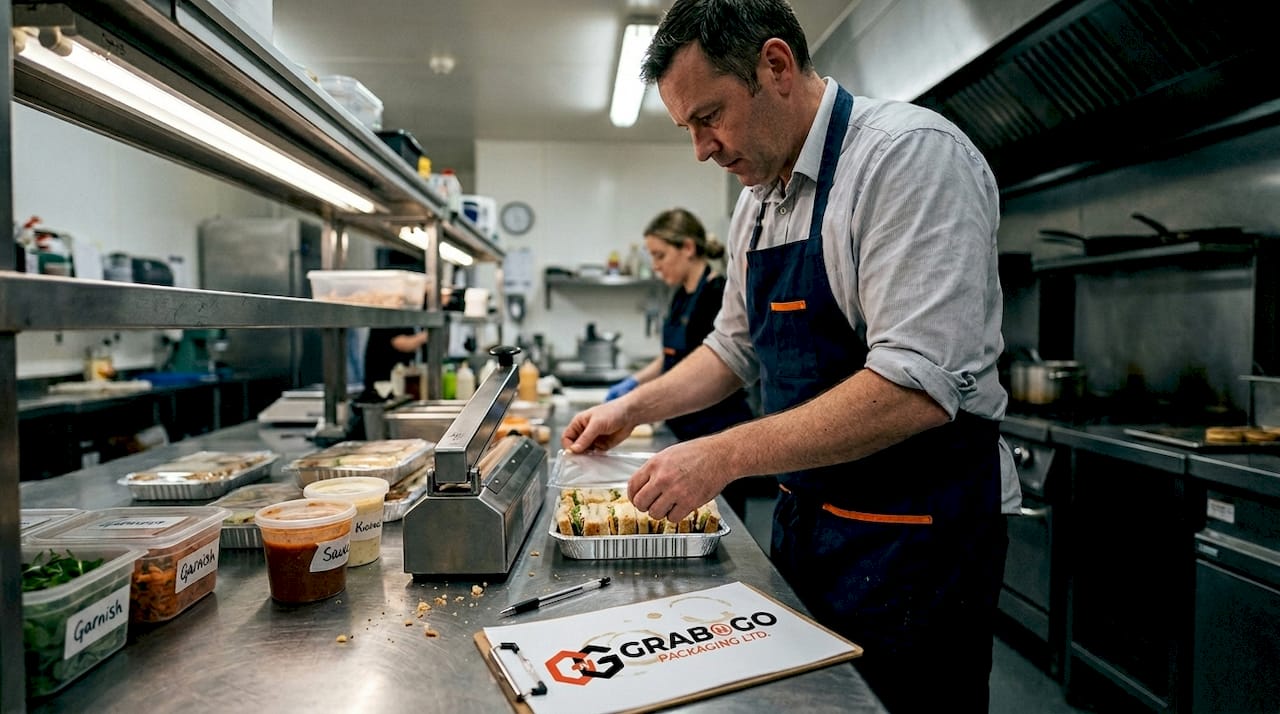
Pro Tip: Conduct seal integrity tests weekly by filling containers with water, sealing them, then inverting for 30 seconds. Any leakage indicates equipment calibration issues or defective materials that need immediate attention.
Sauces and dressings present particular challenges. Package them separately in small, secure containers rather than pre-mixing with salads or main dishes. This prevents sogginess and allows customers to control portions according to preference. For hot sauces, use heat-resistant containers that won’t warp or leak when filled with liquids above 80°C.
Garnishes and delicate components like crispy onions or fresh herbs should be packaged separately and added just before serving. This maintains textural contrast and visual appeal. Include simple assembly instructions on the label so customers can achieve restaurant-quality presentation at their venue.
Quality assurance separates professional catering operations from amateur efforts. Ensuring packaging quality and compliance protects food safety and enhances brand reputation. Systematic inspection catches problems before they damage customer relationships or trigger regulatory issues.
Implement these essential quality checks before every dispatch:
Common packaging failures and prevention strategies:
| Failure Point | Cause | Prevention Method | Impact |
|---|---|---|---|
| Leaking lids | Overfilling or misaligned seals | Leave 1cm headspace, verify seal clicks | Customer complaints, vehicle damage |
| Temperature loss | Insufficient insulation | Use proper thermal containers and bags | Food safety violations, poor taste |
| Crushed items | Poor stacking or weak containers | Rigid packaging, strategic arrangement | Waste, refunds, reputation damage |
| Missing labels | Rushed packaging process | Mandatory verification checklist | Allergen incidents, legal liability |
| Condensation damage | Hot items in sealed containers | Ventilated lids for steam release | Soggy food, reduced quality |
Sustainability compliance offers competitive advantages beyond regulatory requirements. Many corporate clients and event organisers now mandate compostable or recyclable packaging in their catering contracts. Sustainable packaging for catering demonstrates environmental responsibility whilst meeting customer expectations. Clearly label which components are recyclable, compostable, or require general waste disposal to help customers dispose of packaging correctly.
Pro Tip: Create a laminated pre-dispatch checklist that staff must initial before releasing orders. Include photographs showing correct packaging standards for reference. This simple tool dramatically reduces errors during busy periods when verbal communication breaks down.
Staff training determines whether your quality standards translate into consistent execution. Conduct monthly refresher sessions covering proper sealing techniques, temperature monitoring, and allergen awareness. New team members should shadow experienced staff for at least three shifts before packaging orders independently. Document all training in individual personnel files to demonstrate due diligence if issues arise.
Regulatory compliance extends beyond food safety to packaging materials themselves. Ensure all food-contact materials meet UK and EU standards for migration testing. Suppliers should provide documentation confirming compliance. Keep these certificates accessible for environmental health inspections. Non-compliant packaging can result in prohibition orders that shut down your operation until violations are corrected.
Customer feedback provides invaluable quality insights. Actively request comments about packaging performance, asking specific questions about temperature maintenance, leak prevention, and presentation quality. Address recurring complaints immediately by reviewing your procedures and materials. Positive feedback about packaging often translates into repeat business and referrals.
Transforming packaging from a basic necessity into a competitive advantage requires the right materials and expert guidance. Grab & Go Packaging specialises in catering packaging essentials designed specifically for UK food service professionals who demand quality, compliance, and sustainability.

Our extensive range covers every catering scenario, from elegant corporate events to high-volume festival catering. Discover types of packaging for catering companies that match your specific menu requirements whilst supporting your brand identity through customisable options. Whether you need compostable containers that align with environmental commitments or premium presentation packaging that elevates perceived value, we provide solutions that work.
Sustainable packaging for catering no longer means compromising on performance or appearance. Our bagasse and PLA ranges deliver the strength and functionality of traditional materials whilst meeting the strictest environmental standards. Bulk purchasing options ensure cost-effectiveness without sacrificing quality.
Pro Tip: Request sample packs before committing to large orders. Testing packaging with your actual menu items reveals compatibility issues and helps staff familiarise themselves with new materials before service pressure begins.
All food-contact packaging must comply with materials and articles regulations, preventing harmful substance migration into food. Source materials from reputable suppliers who provide compliance documentation, and maintain records for environmental health inspections. Implement temperature monitoring throughout packaging and transport, keeping hot foods above 63°C and cold items below 8°C. Train staff on proper hygiene procedures including handwashing, surface sanitisation, and preventing cross-contamination between raw and ready-to-eat foods. Food packaging best practices provide detailed guidance on maintaining compliance whilst improving operational efficiency.
Bagasse containers made from sugarcane fibre offer excellent heat resistance and compostability, suitable for both hot and cold foods. PLA (polylactic acid) packaging derived from corn starch works brilliantly for cold items like salads and desserts, breaking down completely in commercial composting facilities. Kraft card packaging provides recyclable solutions for sandwiches and dry goods whilst projecting a natural, eco-friendly brand image. Customers increasingly choose caterers based on environmental credentials, making sustainable packaging a powerful differentiator. Clearly communicate your sustainability commitments through packaging labels and marketing materials to maximise this competitive advantage.
Packaging serves as a silent brand ambassador, creating first impressions before customers taste your food. Premium materials and thoughtful presentation signal quality and professionalism, justifying higher pricing and building customer loyalty. Clear windows showcase food attractively whilst maintaining hygiene standards. Customised packaging with your logo and colours reinforces brand recognition and encourages social media sharing at events. Practical features like secure seals, easy-open tabs, and reheating instructions demonstrate customer consideration. The role packaging plays in catering extends far beyond containment, directly influencing perceived value and customer satisfaction scores that drive repeat business.
Overfilling containers prevents proper sealing and causes leaks during transport, creating mess and customer dissatisfaction. Using incorrect container sizes wastes materials and increases costs whilst compromising food presentation. Ignoring temperature control by packaging hot and cold items together creates food safety risks in the danger zone where bacteria thrive. Poor sealing techniques allow contamination and leakage, particularly problematic for saucy dishes. Inadequate labelling omits critical allergen information or reheating instructions, creating liability risks and reducing customer confidence. Follow a comprehensive catering packaging checklist that addresses each potential failure point systematically, ensuring consistency across all orders regardless of staff experience or service pressure.