
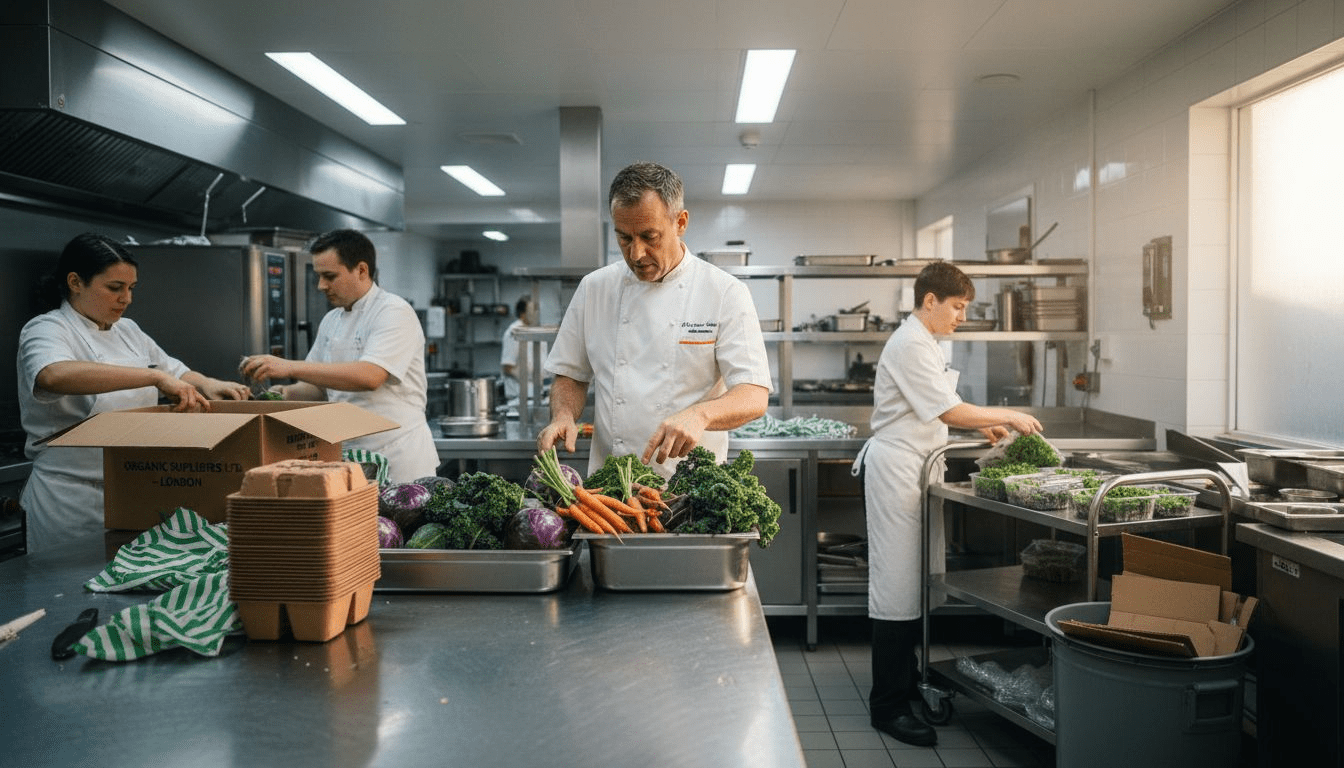
Running a busy café or small eatery in the United Kingdom means every food loss hits twice, both in wasted ingredients and lost revenue. Packaging decisions are not just about looks or cost, but about maintaining your food’s quality from kitchen to customer. Understanding the direct link between packaging and food waste lets you make smarter choices for freshness, sustainability, and strong brand presence—while helping your operation stand out for the right reasons. Effective packaging design significantly reduces the amount of food discarded by making all the difference between a fresh meal and one destined for the bin.
| Point | Details |
|---|---|
| Importance of Packaging | Packaging directly impacts food freshness and waste, making it essential for businesses to choose appropriate designs. |
| Tailoring Packaging Choices | Matching packaging to specific food types and conditions is crucial for reducing waste and maintaining quality. |
| Innovative Solutions | Explore new packaging technologies that enhance usability and reduce spoilage for better operational efficiency. |
| Common Mistakes | Avoid oversized and poorly designed containers that lead to unnecessary food waste by reassessing current systems. |
Packaging in hospitality does far more than hold your food. It directly determines whether a meal reaches your customer fresh or arrives spoiled. For café owners and small restaurant operators, understanding this relationship between packaging and waste is where real cost savings begin. Your packaging isn’t simply a container, it’s a preservation system that either extends the life of your food or hastens its decline.
The core issue is that food packaging protects items and extends shelf life, which means poor packaging choices translate directly into waste you pay for twice: once when you purchase the ingredients, and again when you throw them away. A salad in inadequate packaging might look wilted after two hours. The same salad in breathable, moisture-resistant packaging could stay fresh for days. That’s not a small difference when you’re running a busy café. Research shows that packaging design significantly reduces the amount of food discarded, which is precisely why your packaging choices matter to your bottom line.
However, packaging plays a dual role. Whilst good design mitigates waste, poor design can actually cause it. Packaging that’s difficult to empty or easily damaged creates waste throughout your supply chain. If a delivery box arrives crushed, or if containers are designed so you can’t access the last 15% of the product inside, you’ve lost food before it even reached your kitchen. For hospitality businesses, this means understanding your specific packaging needs isn’t optional. The sauce container that leaks in transit, the bakery box that crushes, the deli container that won’t seal properly, these aren’t minor inconveniences. They’re direct food waste problems. The most effective approach involves choosing packaging designs adapted to your specific food types and distribution contexts.
Pro tip: Audit your current waste for one week and track which items are being thrown away due to packaging failures (spoilage, spillage, damage) versus other causes. This data shows you exactly where packaging improvements will have the biggest financial impact.
Not all packaging is created equal, and choosing the wrong type for your product wastes money and food. Different foods demand different protection strategies. A hot takeaway meal needs completely different packaging than a cold salad or delicate pastry. Understanding what each packaging type actually does helps you make choices that directly reduce waste in your operation.
The packaging you select performs multiple critical jobs simultaneously. Packaging materials must protect food, extend shelf life, and preserve freshness throughout the supply chain from your kitchen to your customer’s table. Consider rigid plastic containers like polypropylene (PP) or polyethylene terephthalate (PET). These offer excellent barrier protection against moisture and oxygen, which means your sandwiches stay fresh instead of becoming soggy. Paper based packaging like kraft boxes works well for items that benefit from breathability, such as baked goods that would otherwise trap steam and turn soft. For hot foods, foil lined containers provide insulation and grease resistance. The problem occurs when you use breathable packaging for items needing moisture protection, or rigid containers for foods that spoil quickly without proper air circulation. Various plastic types used in UK food operations, including polypropylene and polyethylene terephthalate, each serve specific functional roles, and understanding these differences prevents costly waste.
Think about packaging in three layers. Primary packaging is what directly touches your food, like the container your salad sits in. This is your first line of defence against contamination and spoilage. Secondary packaging protects multiple items during distribution, such as the cardboard box holding ten individual meal containers. Tertiary packaging involves pallets and bulk shipping materials. Most café and restaurant owners focus on primary packaging because that’s what directly affects customer experience and food quality. However, all three layers matter for waste reduction. A crushed secondary box might damage the primary packaging inside, ruining the food before it reaches your customer.
The key insight is matching packaging to specific food types and storage conditions. Moist foods need moisture barriers. Greasy foods need grease resistance. Temperature sensitive items need insulation. Fragile items need structural protection. Get this matching right, and your waste decreases noticeably. Get it wrong, and you’re throwing away perfectly good food because it arrived spoiled, damaged, or unusable.
Here’s how food packaging types address different protection needs in hospitality:
| Packaging Type | Key Protection Function | Example Food Items | Potential Risk When Mismatched |
|---|---|---|---|
| Rigid plastic (PP, PET) | Moisture & oxygen barrier | Sandwiches, salads | Sogginess or rapid spoilage |
| Kraft paper boxes | Breathability, structure | Pastries, baked goods | Softening or staleness |
| Foil-lined containers | Grease & heat resistance | Curries, hot meals | Grease leakage or temperature loss |
| Cardboard secondary box | Physical protection | Multiple takeaways | Crushing primary containers |
Pro tip: Map each menu item to the specific challenges it faces during storage and delivery (moisture, heat, crushing, oxidation), then select packaging that addresses those exact challenges rather than using one generic container for everything.
Your packaging doesn’t just protect food when it reaches your customer. It works across every stage of your supply chain, from the moment ingredients arrive at your door through to the customer finishing their meal. Understanding where packaging fails at each stage reveals exactly where your waste is happening. Packaging challenges don’t occur in isolation. A box that’s slightly crushed during delivery might not destroy the food immediately, but it compromises the seal, allowing air in and moisture out. By the time that item reaches your serving counter three days later, it’s unusable.
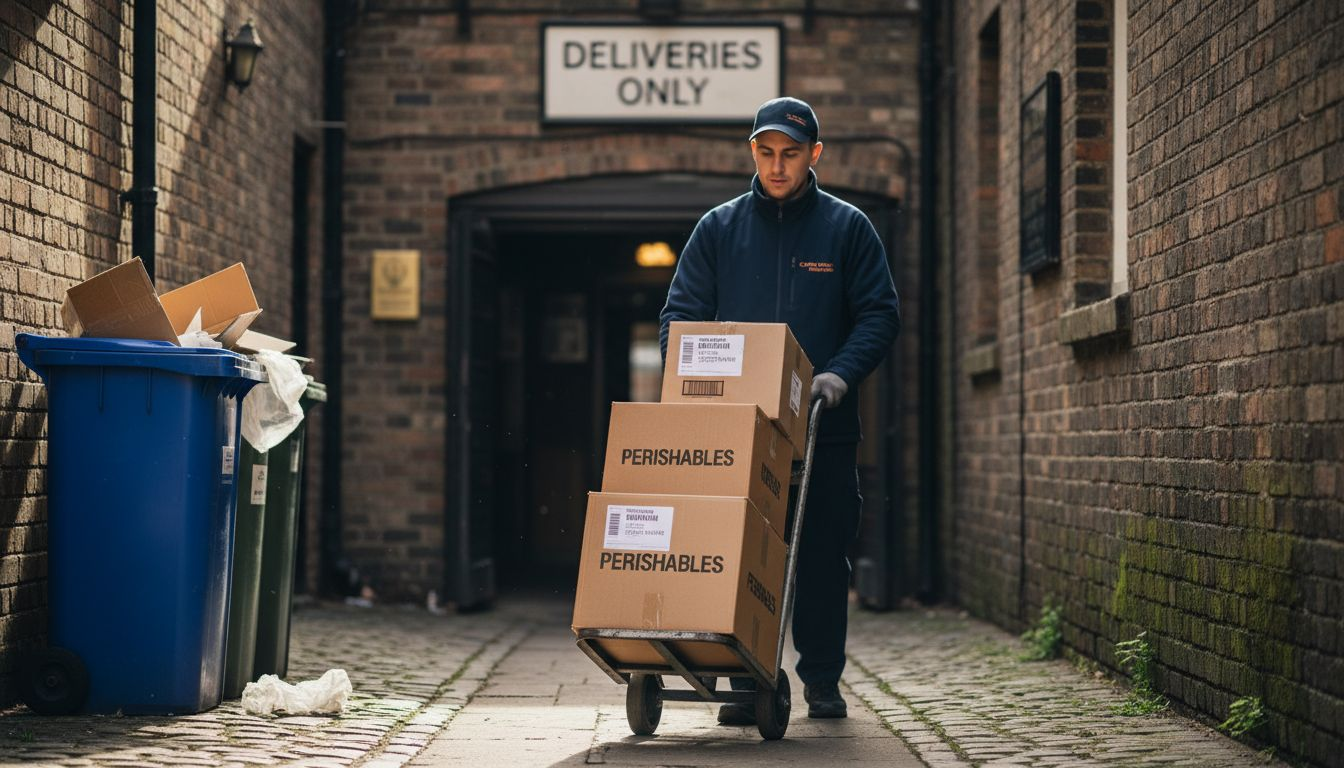
Packaging plays critical roles during production, transport, storage, and retail stages, and failures at any point create waste. Consider what happens when you receive a delivery from your supplier. If protective packaging is inadequate, items arrive damaged or temperature compromised. During your storage phase, packaging must maintain barriers against contamination and prevent moisture loss for items like fresh herbs or vegetables. When items sit in your display case or fridge, packaging continues its job of extending shelf life. Finally, when a customer takes the food away, packaging must survive transport to their location without leaking or allowing spoilage. Each stage demands something different from your packaging. A sturdy box for delivery might be too heavy for customer takeaway. A breathable container perfect for fresh salads would let grease escape from fried foods.
One critical issue many small operators overlook is oversizing and inappropriate design decisions that contribute to waste rather than prevent it. A sandwich wrapped in excessive plastic creates more waste overall. A container designed for one type of food but used for another compromises food safety and shelf life. Research shows that packaging innovations and appropriate designs tailored to supply chain needs reduce spoilage and damage. This means conducting an honest audit of your current system. Are you using the right packaging at each supply chain stage, or have you simply inherited whatever was convenient? The hospitality sector particularly struggles with this because speed matters. You need quick packing solutions. However, quick doesn’t mean choosing poorly. A five second process with the correct packaging beats a three second process with the wrong choice that creates waste.
The practical reality is that supply chain packaging decisions ripple through your entire operation. Your supplier’s packaging affects what condition your ingredients arrive in. Your storage packaging affects how long items last on your shelves. Your service packaging affects customer experience and determines whether they can access all the food without waste. When you choose packaging, you’re not just buying containers. You’re investing in a waste reduction system that either works or fails at multiple points.
Pro tip: Trace one popular menu item backwards through your entire supply chain, identifying the specific packaging it encounters at delivery, storage, preparation, and customer takeaway stages, then identify which stage creates the most waste and upgrade that packaging type first.
Packaging technology isn’t static. New innovations emerge constantly, and some of them directly address the waste problems you’re experiencing right now. The challenge is knowing which innovations actually work for your specific operation versus which ones sound impressive but don’t fit your workflow. The most promising innovations focus on one core principle: making it easier for you and your customers to use food correctly before it spoils.
One significant innovation class involves active packaging technologies that extend shelf life, which actively interact with the food rather than simply creating a barrier. These include oxygen absorbers, ethylene scavengers that remove ripening gases, and antimicrobial coatings that slow bacterial growth. For a café operator, this matters because it means your sandwich can stay fresh for an extra day without refrigeration changes or food safety compromises. Another emerging approach involves smart packaging integrating QR codes and sensors for improved traceability. A delivery box might include a sensor showing whether temperature remained stable during transport. A container could display a QR code linking to preparation time, allowing your staff to know exactly how long an item has been stored. These seem high-tech, but the practical benefit is simple: less guesswork about whether food is still safe to serve.
However, the innovations with the most immediate impact for hospitality businesses focus on user experience. Improved transparency, resealability, portion control, and dispensing mechanisms significantly reduce food waste by making it easier to use only what you need. Consider a sauce container with a pour spout that doesn’t drip. Your staff waste less sauce because it doesn’t spill during plating. A deli container with a resealable lid means customers can take leftovers home instead of leaving food on their plate. Portion control packaging, where individual portions are pre-separated within one container, prevents customers from taking more than they want. These innovations work because they align with how people actually use food, not how packaging designers think they should use it. Biodegradable and bio-based materials are reducing environmental impact, but for waste reduction specifically, user-focused design features matter most.
The practical reality is that not every innovation suits every operation. A smart sensor container might be overkill for a small sandwich shop but essential for a catering company managing multiple delivery locations. Better resealability helps every business. Before adopting any packaging innovation, ask whether it solves an actual problem in your operation or simply sounds modern. The best innovations are ones your staff will actually use correctly because they make the job easier, not harder.
Pro tip: Identify your single biggest waste problem by category (spoilage, spillage, oversized portions, or customer waste), then search for packaging innovations specifically designed to address that one problem rather than adopting multiple new packaging types at once.
Mistakes in packaging choices cost you money twice. Once when you buy packaging that fails, and again when the food inside gets wasted. The worst part is that most common mistakes are entirely preventable. They happen because operators inherit packaging systems without questioning them, or they prioritise speed over functionality. Understanding these pitfalls means you can stop throwing money away.
The first critical mistake is oversizing. A salad that needs a medium container gets packed into a large one. Air space inside means the leaves dry out faster. Customers see a half full container and assume the food is sparse, potentially wasting it uneaten. Oversized packaging leads to food exposure and premature disposal, yet it feels cheaper because you buy fewer SKUs. In reality, you’re creating waste that costs far more than the packaging saving. Similarly, packaging that’s difficult to empty causes customers and staff to discard food rather than use every last bit. A sauce container where you cannot access the final third of the contents? That’s waste. A takeaway box where the corners trap food making it impossible to retrieve? Waste. These design flaws seem minor until you multiply them across hundreds of daily transactions.
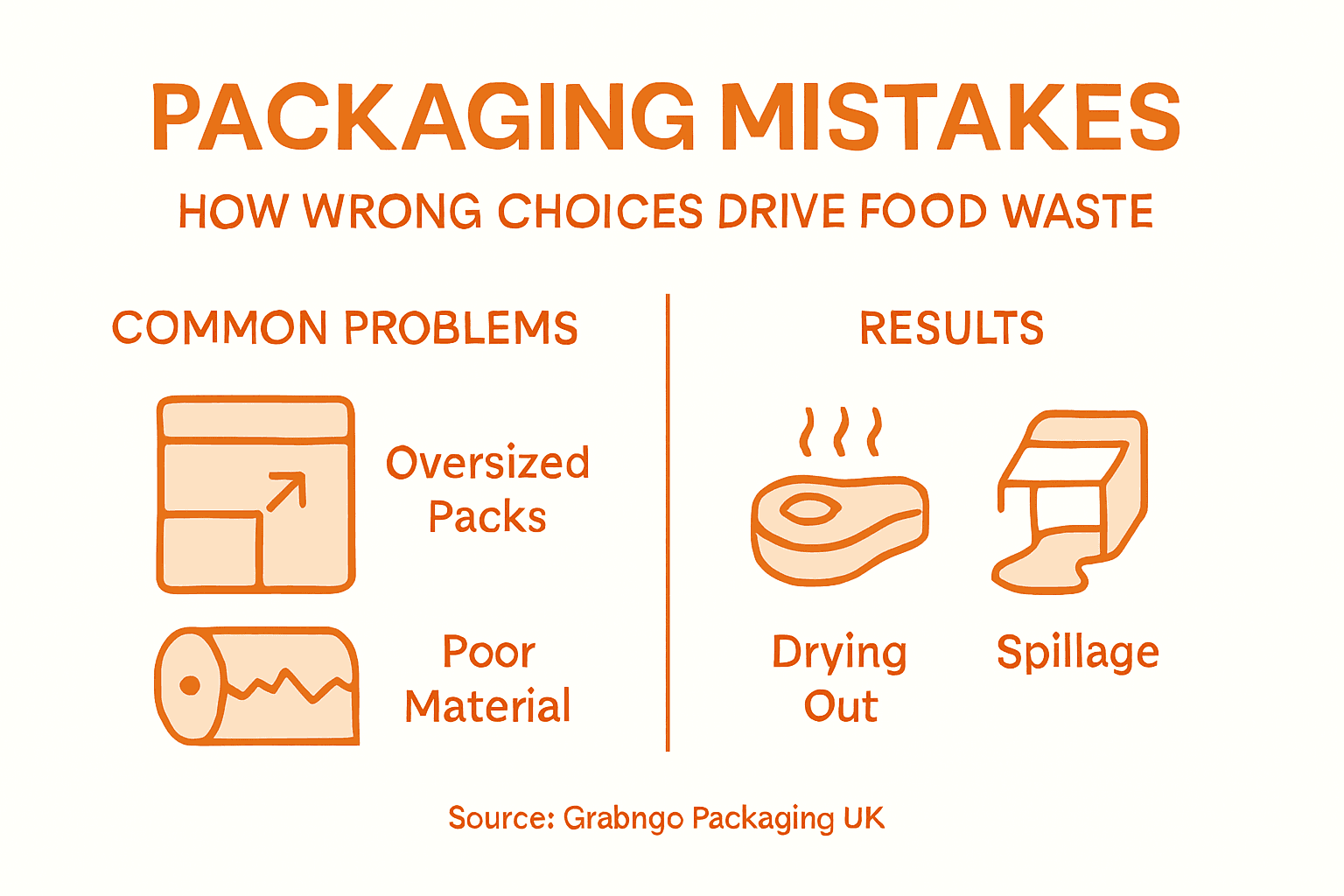
Another pervasive mistake involves choosing packaging materials poorly matched to food type. Using breathable packaging for items needing moisture barriers, or rigid containers for foods requiring air circulation, both create spoilage. Single use plastic packaging that is not recyclable, and poorly designed portion sizes leading to excess leftover food, increase food waste significantly in hospitality settings. Your curry needs a moisture barrier and heat resistance. Your leafy salad needs breathability. Your fresh herb garnish needs low oxygen exposure. Using one container type for all three guarantees spoilage in at least two categories. Additionally, packaging that’s inappropriate for temperature conditions or supply chain handling creates damage before food reaches your serving counter. A thin walled container for items requiring refrigeration might not maintain temperature during a delivery delay. A box lacking cushioning might crush contents during normal handling.
The final cluster of mistakes centres on not considering actual usability. Packaging that requires two hands to open whilst holding food. Lids that don’t seal properly requiring rewrapping. Containers positioned awkwardly for serving. These aren’t design flaws, they’re operational friction that leads staff to portion food poorly or customers to leave food behind. The solution requires honest assessment. Which packaging types actually cause waste in your operation rather than prevent it? What specific foods fail in your current containers? Only then can you upgrade strategically.
The following table compares common packaging design errors and their direct business impacts:
| Packaging Mistake | Description | Resulting Food Waste Impact | Suggested Solution |
|---|---|---|---|
| Oversizing containers | Food packed into overly large boxes | Drying, sparse appearance | Match sizes to portions |
| Hard-to-empty containers | Difficult to retrieve all product | Unused food discarded | Redesign for full access |
| Wrong material choice | Breathable for moist or greasy foods | Spoilage, leakage | Select food-matched types |
| Poor usability features | Awkward seals or hard opening | Staff or customer waste | Ergonomic container design |
Pro tip: Photograph your waste bin contents for three days, categorising each discarded item by reason (spoilage, spillage, customer leftovers, damage), then match those patterns to your packaging choices and prioritise fixing the type causing the most waste first.
The challenge of food waste in UK hospitality often starts with packaging that does not match the specific needs of your food products or supply chain. From moisture-resistant containers to breathable pastry boxes, each packaging decision impacts freshness, spoilage rates and your bottom line. Businesses that fail to address oversizing, poor usability or material mismatch face avoidable waste and higher costs. Grabngo Packaging understands these pain points and offers a wide range of thoughtfully designed packaging supplies tailored to protect your food every step from kitchen to customer.
Explore the selection of containers, disposables and specialised packaging at Grabngo Packaging crafted to extend shelf life and improve user experience. Act now to streamline your packaging choices with solutions that reduce spoilage and food waste. Visit our landing page and start saving money while supporting sustainability today. Don’t let packaging problems quietly drain your profits—make the switch to smarter packaging the right way.
Good packaging protects food from spoilage by providing barriers against moisture and oxygen, which helps extend shelf life and maintain freshness throughout the supply chain.
Using oversized packaging can lead to food drying out and appearing sparse, which may result in increased waste as customers may discard uneaten portions due to perceived lack of quantity.
Different food types require specific packaging; for instance, rigid plastic containers are ideal for moisture-sensitive foods like sandwiches, while kraft paper boxes work well for baked goods that need breathability.
Innovations such as active packaging technologies and user-friendly designs like resealable containers help preserve food quality and make it easier for staff and customers to use food without waste.