

Navigating the busy routines of a café or street food stall in the United Kingdom often means choosing products that save time and reduce mess. Yet, finding cost-effective disposable cutlery that balances convenience and waste can be surprisingly complicated. Many common myths about recycling and biodegradability make the right selection even more challenging. This guide breaks down the truth behind disposable cutlery, highlighting practical options that work for your business while helping you manage waste more sustainably.
| Point | Details |
|---|---|
| Understanding of Disposable Cutlery | Disposable cutlery is designed for single use, but misconceptions about its recyclability abound, affecting its environmental impact. Businesses must navigate this landscape thoughtfully to balance convenience and sustainability. |
| Material Selection | Various materials, including biodegradable alternatives, are available for disposable cutlery. Evaluating options based on cost, environmental impact, and consumer perception is essential for informed procurement. |
| Regulatory Compliance | The UK has introduced strict regulations on single-use plastics, necessitating adherence to environmental laws and shifting towards sustainable options to avoid penalties. Stay informed about evolving compliance requirements. |
| Cost Management | Businesses should avoid common procurement mistakes like bulk buying without analysis. Implementing efficient tracking and forecasting can lead to significant cost savings and reduced waste. |
Disposable cutlery represents single-use eating utensils designed for quick consumption and immediate disposal. These products are typically manufactured from lightweight materials like plastic, paper, or wood, offering businesses a convenient solution for serving food in high-volume environments such as cafés, street food vendors, and catering services.
While disposable cutlery appears straightforward, many misconceptions persist about its environmental impact and recyclability. Sustainability research reveals that most plastic utensils are not easily recycled due to their complex composition and small size. Contrary to popular belief, these items are often made from multiple plastic types including polystyrene, polypropylene, and polyethylene terephthalate (PET), which create significant sorting and processing challenges for recycling facilities.
Understanding the environmental implications is crucial for business owners. Zero-waste research indicates that many disposable cutlery items do not decompose readily, contributing substantially to landfill waste. Businesses increasingly recognise the need to balance convenience with sustainability, exploring alternatives that minimise environmental impact while maintaining operational efficiency.
Pro tip: Consider transitioning to biodegradable or compostable cutlery options that align with growing consumer expectations for environmentally responsible packaging solutions.
Disposable cutlery in the United Kingdom encompasses a diverse range of materials designed to meet various foodservice needs. Traditional options include petroleum-based plastics like polypropylene and polystyrene, which remain popular due to their low cost and lightweight characteristics. These materials are commonly used for disposable utensils in quick-service environments, offering businesses a convenient and affordable solution for serving customers.
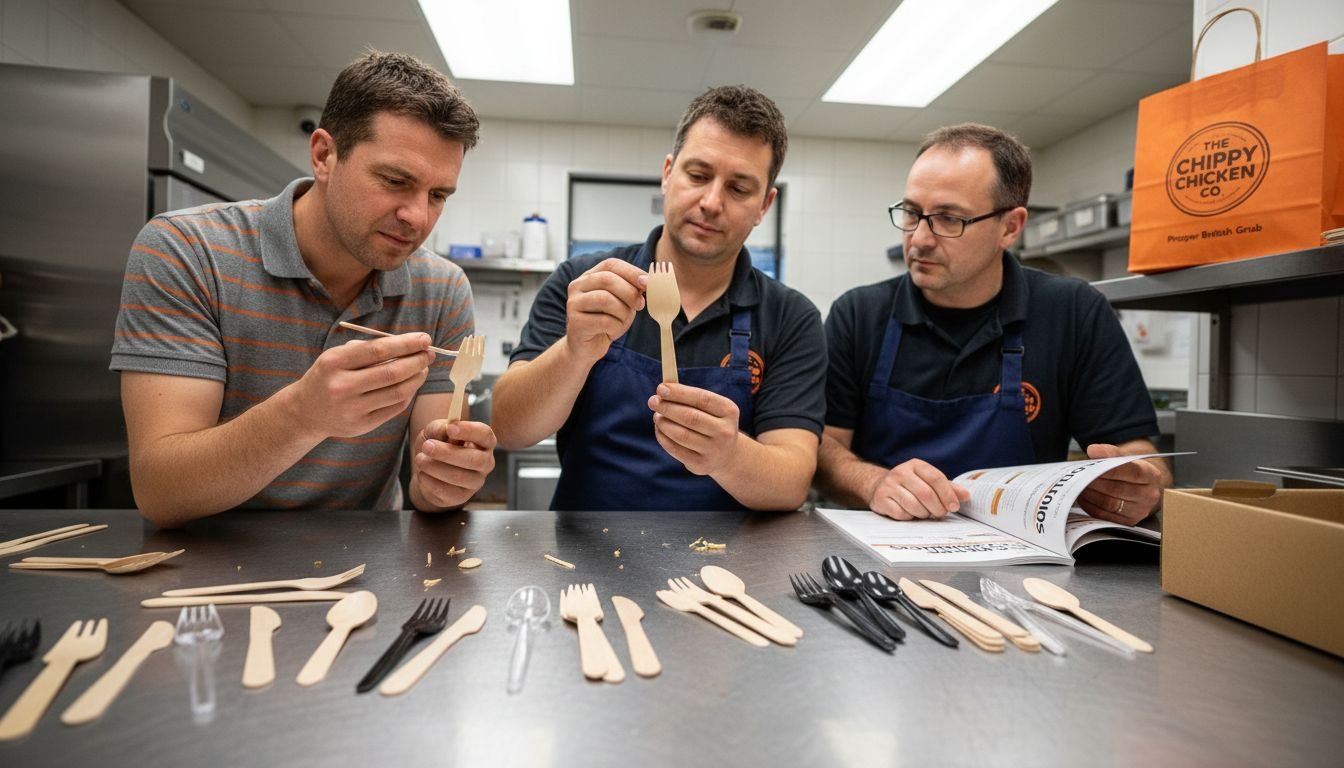
Beyond conventional plastics, emerging sustainable alternatives are gaining significant traction. Academic research on edible cutlery reveals innovative materials derived from agricultural products like wheat, rice, and sorghum. These biodegradable options represent a promising approach to reducing environmental impact, addressing growing consumer concerns about single-use plastic waste. Paper-based utensils, bamboo cutlery, and cornstarch-derived products are also becoming increasingly popular among environmentally conscious businesses.
The UK market currently offers multiple disposable cutlery materials, each with distinct advantages. Wooden utensils provide a natural aesthetic and biodegradability, while compostable plastics offer a compromise between traditional convenience and environmental responsibility. Stainless steel and other metal options remain preferred for durability, though they are less common in disposable contexts. The selection depends on factors such as event type, food served, environmental considerations, and budget constraints.
The following table summarises common disposable cutlery materials and their business considerations:
| Material Type | Environmental Impact | Typical Cost | Customer Perception |
|---|---|---|---|
| Plastic (Polystyrene/Polypropylene) | High landfill burden, non-biodegradable | Lowest | Increasingly negative |
| Paper/Cardboard | Compostable if untreated | Moderate | Neutral to positive |
| Wooden/Bamboo | Biodegradable, renewable | Moderate-High | Positive, natural appearance |
| Plant-based/Compostable Plastics | Lower impact, industrial compost needed | Moderate | Positive, but needs explanation |
| Edible Cutlery | No waste, fully consumable | Highest | Novelty, strong ethical appeal |
Pro tip: Conduct a cost-benefit analysis comparing different cutlery materials, considering not just price but also environmental impact, customer perception, and potential waste management savings.
Disposable cutlery serves a critical function in modern food service, designed primarily for convenience and single-use applications. The fundamental purpose is to provide a hygienic, lightweight, and immediately disposable eating utensil that eliminates washing and storage requirements. Research on cutlery ergonomics demonstrates that these utensils are engineered to accommodate diverse user needs, including considerations for individuals with varying movement capabilities.
The key functional features of disposable cutlery extend beyond mere utility. Oxford University research highlights that material characteristics significantly impact user experience, with factors like weight, design, and texture playing crucial roles in perceived food enjoyment. Despite being lightweight, modern disposable cutlery manufacturers are increasingly focusing on ergonomic design, ensuring comfortable grip and efficient food manipulation for diverse consumer groups.
Materials and manufacturing processes determine the performance of disposable cutlery. While traditional petroleum-based plastics dominate the market, innovations are emerging that prioritise both functionality and environmental sustainability. These include biodegradable options made from plant-based materials, which maintain structural integrity during meal consumption while offering improved ecological credentials. Businesses must balance performance requirements such as strength, flexibility, and thermal resistance with environmental considerations when selecting disposable cutlery.
Pro tip: Invest time in testing different disposable cutlery samples to understand their performance characteristics and ensure they meet your specific service requirements.
The United Kingdom has implemented stringent regulations surrounding disposable cutlery, particularly targeting single-use plastic products. Recent government measures demonstrate a comprehensive approach to reducing plastic waste, with a nationwide ban on single-use plastic cutlery scheduled to take effect from October 2023. This legislation covers plastic forks, knives, spoons, and chopsticks, reflecting a significant shift in environmental policy across England, Scotland, and Wales.
Compliance requirements extend beyond simple product restrictions. Zero Waste Scotland guidelines emphasise a holistic approach to waste management, encouraging businesses to adopt sustainable practices. This includes prioritising biodegradable alternatives, implementing proper waste segregation protocols, and demonstrating a commitment to reducing overall environmental impact. Food service establishments must now carefully consider their cutlery choices, balancing operational needs with legal and environmental responsibilities.
The legal landscape for disposable cutlery is complex and evolving, with different regulations applying across various UK regions. Businesses must navigate multiple compliance requirements, including the Environment Act’s extended producer responsibility provisions. This means organisations are increasingly accountable for the entire lifecycle of their packaging materials, from production through disposal. Penalties for non-compliance can be significant, making it crucial for businesses to stay informed about current and upcoming legislative changes affecting disposable food service products.
Pro tip: Consult local environmental health offices and stay updated with industry associations to ensure your business remains fully compliant with the latest disposable cutlery regulations.
Disposable cutlery represents a significant environmental challenge, with petroleum-based plastics contributing substantially to global waste streams. University research highlights the complex environmental trade-offs between single-use and reusable alternatives, revealing that not all sustainable solutions are straightforward. Traditional plastic cutlery requires hundreds of years to decompose, creating long-lasting ecological damage through microplastic pollution and landfill accumulation.
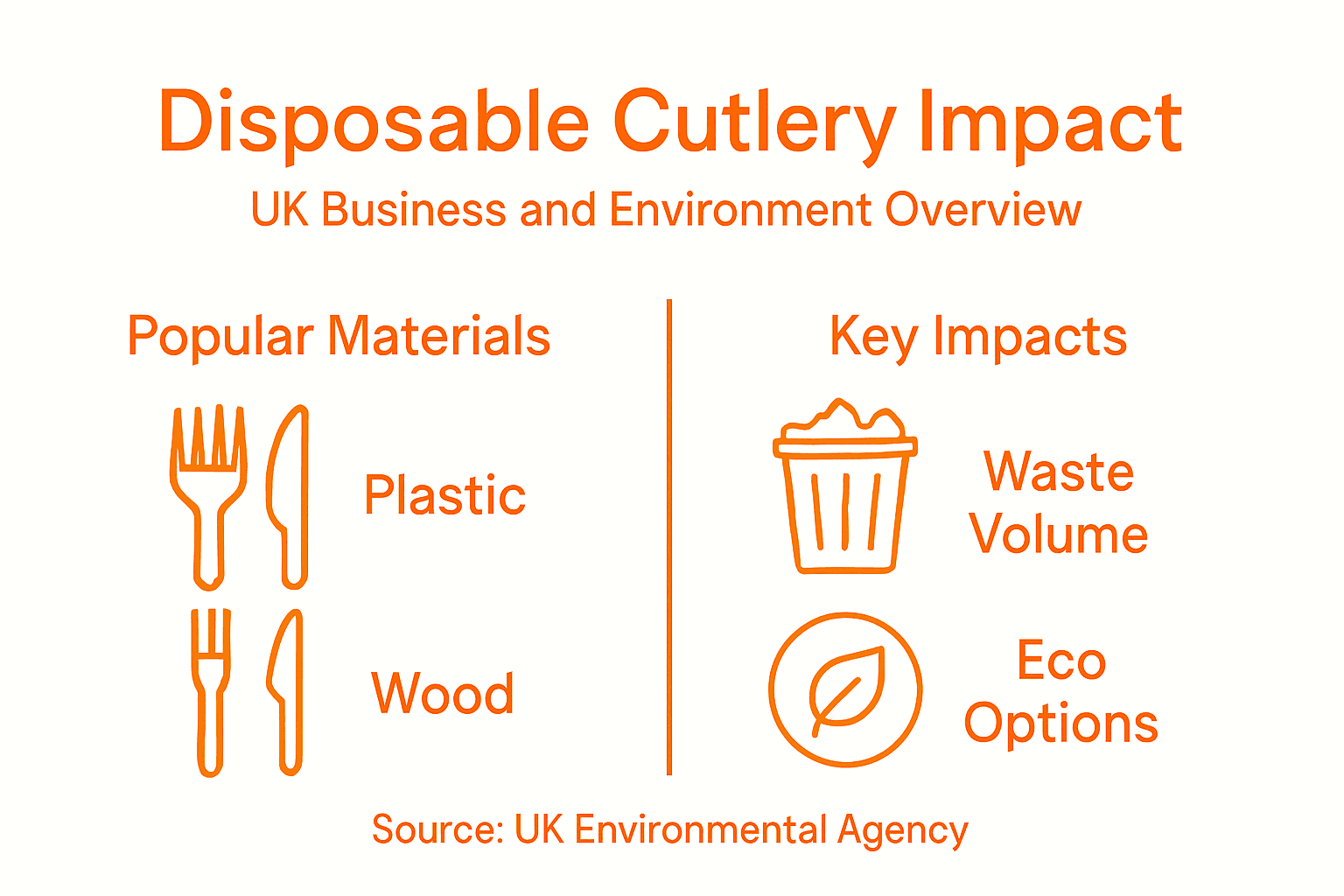
Emergent sustainable alternatives are transforming the disposable cutlery landscape. Academic studies on edible cutlery demonstrate innovative approaches using natural ingredients like wheat, rice, and sorghum to create biodegradable utensils. These alternatives not only reduce waste but can also be consumed, offering a revolutionary approach to eliminating plastic pollution. Wooden, bamboo, and plant-based cutlery options provide businesses with environmentally responsible choices that align with increasing consumer demand for sustainable packaging.
The environmental impact assessment of cutlery extends beyond material composition to include entire lifecycle considerations. Businesses must evaluate production processes, transportation emissions, and disposal methods when selecting cutlery. Biodegradable options that decompose quickly, require minimal resources to manufacture, and support circular economy principles are becoming increasingly attractive. Consumer awareness and regulatory pressures are driving a significant shift towards more sustainable food service practices.
Pro tip: Conduct a comprehensive sustainability audit of your current cutlery supply chain to identify potential environmental improvements and cost-effective sustainable alternatives.
Disposable cutlery procurement represents a complex financial decision for businesses, requiring careful analysis beyond immediate price points. Research on corporate waste management demonstrates that seemingly economical choices can generate significant hidden costs through unnecessary waste and environmental impact. Companies frequently miscalculate expenses by focusing solely on unit price rather than considering total lifecycle expenses, including disposal, environmental compliance, and potential future regulatory penalties.
Common mistakes in disposable cutlery purchasing include over-provisioning and failing to implement strategic selection processes. Zero Waste Scotland guidelines highlight that businesses often default to bulk purchasing without assessing actual usage requirements. This approach leads to unnecessary expenditure and environmental burden. Smart procurement strategies involve precise demand forecasting, offering customer opt-in for cutlery, and selecting materials that balance cost-effectiveness with sustainability goals.
Financial considerations extend beyond direct purchasing costs to include broader economic implications. Businesses must evaluate long-term expenses associated with waste management, potential environmental fines, and shifting consumer preferences towards sustainable practices. Innovative approaches like default zero-cutlery options, investing in reusable alternatives, and implementing precise inventory management can generate substantial cost savings while demonstrating environmental responsibility.
Below is a quick guide illustrating frequent cost mistakes and smarter alternatives for disposable cutlery procurement:
| Common Mistake | Long-term Effect | Better Approach |
|---|---|---|
| Bulk buying without analysis | Excess waste, higher expenses | Track usage, forecast demand |
| Prioritising unit price only | Hidden costs, fines possible | Calculate total lifecycle cost |
| Ignoring customer preferences | Wasted resources, returns | Offer cutlery opt-in option |
| Overlooking compliance rules | Penalty risk, brand damage | Stay updated with regulations |
Pro tip: Develop a comprehensive cutlery usage tracking system that monitors consumption patterns, waste generation, and associated costs to enable data-driven procurement decisions.
Navigating the challenges of sustainability, legal compliance, and cost efficiency in disposable cutlery procurement can feel overwhelming. This article highlights key pain points such as environmental impact, regulatory changes, and the need for ergonomic, biodegradable alternatives. If you are seeking to balance convenience with responsibility while avoiding common pitfalls like over-purchasing and non-compliance, it is crucial to choose a trusted supplier offering a wide range of carefully selected options.
Explore the variety of environmentally conscious and legally compliant disposable cutlery available at Grabngo Packaging. Our platform makes it easy to compare materials, costs, and sustainability credentials all in one place. Act now to upgrade your cutlery strategy and benefit from competitive pricing, bulk discounts, and the latest product innovations. Visit our homepage to start choosing smarter cutlery options that support your business growth and compliance goals today.
Disposable cutlery is predominantly made from petroleum-based plastics like polypropylene and polystyrene, which have a high landfill burden and are non-biodegradable. Emerging alternatives include biodegradable materials such as paper, wood, and plant-based plastics that have a lower environmental impact.
Businesses must balance the convenience of disposable cutlery with sustainability concerns, as many traditional plastic options contribute to environmental pollution. Transitioning to biodegradable or compostable cutlery can help align a business’s practices with consumer expectations for environmentally responsible solutions.
The UK has implemented regulations banning single-use plastic cutlery, effective from October 2023. This legislation affects items like plastic forks, knives, spoons, and chopsticks, pushing businesses to adopt sustainable alternatives and comply with updated waste management practices.
Common mistakes include bulk buying without assessing actual needs, focusing solely on unit price without considering total lifecycle costs, and neglecting customer preferences regarding cutlery use. Implementing demand forecasting and tracking waste generation can help prevent these pitfalls.