
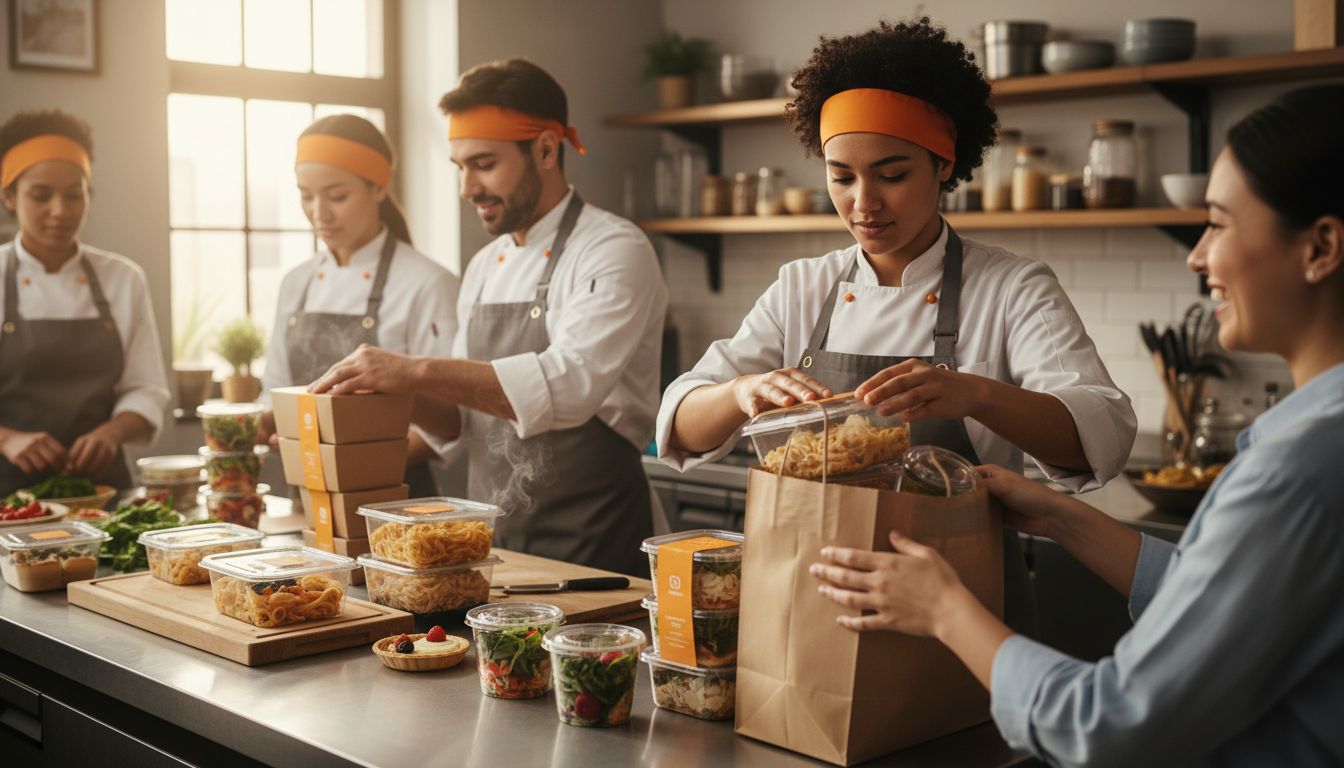
More than 60 percent of negative online reviews about takeaway food mention disappointing packaging. Choosing the right packaging does so much more than hold your food—it protects freshness, prevents leaks, and reflects your brand’s values at every step. With customers expecting high standards for convenience, sustainability, and food safety, smart packaging decisions can turn a one-time order into lasting loyalty. This guide highlights how the right materials and designs keep food quality high and your reputation even higher.
| Takeaway | Explanation |
|---|---|
| 1. Select food-specific packaging materials | Choose materials that protect food quality and safety based on items like temperature and moisture needs. |
| 2. Use leak-proof and secure containers | Ensure containers are tight-fitting to prevent spills, maintaining food integrity during transport. |
| 3. Incorporate custom branding on packaging | Utilize branded packaging to enhance customer recognition and communicate brand values effectively. |
| 4. Opt for eco-friendly packaging solutions | Select biodegradable and compostable materials to appeal to environmentally conscious consumers. |
| 5. Ensure packaging meets UK food safety regulations | Provide clear product information and allergen warnings to comply with legal standards and build customer trust. |
Selecting appropriate packaging materials isn’t just about aesthetics it’s a critical decision that impacts food quality, safety, and customer satisfaction. Different food types require specific packaging solutions to maintain freshness, prevent contamination, and ensure optimal presentation.
When determining your packaging strategy, consider how various materials interact with different food categories. Hot foods like pies and curries need grease resistant containers that can withstand high temperatures. Conversely, cold salads and desserts require breathable yet secure packaging that preserves moisture levels.
Key Considerations for Material Selection:
For instance, a guide on greaseproof papers can help businesses understand how specialised materials prevent oil seepage and maintain food presentation. Greaseproof papers work exceptionally well for items like fish and chips or pastries where oil resistance is paramount.
Professional food businesses must also factor in sustainability. Modern consumers appreciate environmentally conscious packaging choices that don’t compromise on quality or functionality. Biodegradable options like bagasse containers provide an excellent balance between performance and ecological responsibility.
Remember that your packaging material is essentially the first point of sensory interaction for your customer. Choosing wisely means protecting your culinary creation from preparation to consumption while creating a positive first impression.
In the competitive world of takeaway food service, your packaging can make or break customer satisfaction. Leak-proof and secure containers are not just a convenience they are a fundamental requirement for maintaining food quality and preventing messy accidents.
As recommended by CPD Online Food Hygiene, proper packaging sourced from reputable suppliers is critical. These containers must be graded appropriately for their specific use and stored in clean environments to prevent potential contamination.
Critical Container Selection Factors:
For liquid based dishes like curries or soups, choose containers with robust sealing mechanisms. These prevent spillage during transportation and maintain the presentation of your culinary creations. Consider 500ml clear rectangular containers that offer both visibility and security.
Professional food businesses understand that secure packaging is about more than preventing mess. It demonstrates respect for your customers experience and protects your brands reputation. A leaking container can quickly transform a delightful meal into a frustrating customer interaction.
Invest in high quality containers that can withstand travel stress. Your customers will appreciate the attention to detail and reliability of a well packaged meal.
Your packaging is more than a container it is a powerful marketing tool that communicates your brand story before the first bite. Custom printed packaging transforms ordinary takeaway containers into memorable brand experiences that can significantly enhance customer recognition and loyalty.
In the competitive food service landscape, visual identity matters tremendously. When customers receive a meal in a professionally branded package, it signals quality, attention to detail, and a commitment to your business identity. Your packaging becomes a silent ambassador representing your culinary brand.
Strategic Branding Opportunities:
For businesses looking to understand packaging’s broader role, the essential guide to packaging in takeaway operations offers comprehensive insights into creating impactful visual communications.
Consider investing in printed coffee cups, greaseproof papers, or takeaway bags that showcase your brand personality. These aren’t just containers they are portable billboards that travel with your customers, potentially attracting new patrons through word of mouth and visual exposure.
Remember that effective branding goes beyond aesthetics. Your printed packaging should reflect your business values, whether that means emphasising sustainability, highlighting local ingredients, or showcasing your unique culinary approach. Make every package an opportunity to tell your brand story.
Today’s consumers are increasingly environmentally conscious, making sustainable packaging not just an option but a strategic business imperative. Choosing eco-friendly packaging solutions demonstrates your commitment to environmental responsibility while potentially attracting a growing segment of environmentally aware customers.
Modern sustainable packaging goes far beyond simple recycling. It encompasses materials that are biodegradable, compostable, and produced through environmentally responsible processes. These packaging solutions reduce waste and minimise your businesses environmental footprint without compromising on quality or functionality.
Sustainable Packaging Strategies:
For businesses seeking comprehensive insights, our guide on sustainable packaging explores the broader implications of environmentally responsible packaging choices.
Consider alternatives like bagasse containers made from sugarcane pulp or packaging crafted from plant based materials. These options not only reduce environmental impact but also communicate your brands commitment to sustainability. Customers appreciate businesses that make conscious choices about their environmental responsibilities.
Remember that sustainable packaging is an investment in both your business reputation and the planets future. By selecting eco friendly packaging, you are positioning your brand as forward thinking and socially responsible.
Efficient packaging is not just about protecting food it is about optimising delivery logistics and reducing transportation costs. Smart businesses recognise that well designed containers can significantly improve operational efficiency and customer experience during food delivery.
Consider the geometry and design of your packaging as a critical strategic element. Rectangular containers with straight sides stack more effectively than round containers. This means fewer wasted spaces in delivery vehicles and more orders transported simultaneously reducing fuel consumption and delivery times.
Space Maximisation Strategies:
For businesses seeking deeper insights into packaging logistics, the role of packaging in takeaways guide offers comprehensive strategies for optimising delivery operations.
Professional delivery services understand that every centimetre counts. Stackable packaging reduces transportation complexity and allows drivers to carry more orders efficiently. This approach not only saves money but also reduces your carbon footprint by minimising multiple delivery trips.
Remember that intelligent packaging design is an investment in your business efficiency. By selecting containers that nest neatly and protect food during transportation you are creating a seamless delivery experience for both your team and your customers.
The quality of your food delivery hinges on more than just taste it depends critically on maintaining optimal temperature and preserving freshness during transportation. Professional food businesses understand that packaging is not merely a container but a sophisticated thermal management solution.
Different food types require unique thermal strategies. Hot dishes like curries and soups need insulated packaging that retains heat, while cold salads and desserts demand containers that prevent temperature fluctuations. The right packaging acts as a protective barrier against external temperature variations.
Temperature Preservation Strategies:
For deeper insights into packaging performance, our guide on greaseproof papers explores how specialised materials contribute to food quality preservation.
Professional kitchens recognize that temperature maintenance is not just about comfort it is a food safety imperative. Correctly insulated packaging prevents bacterial growth and ensures that your culinary creations arrive in the same pristine condition they left your kitchen.
Remember that exceptional packaging transforms a simple meal delivery into a memorable dining experience. Invest in containers that protect your food quality and demonstrate your commitment to customer satisfaction.
Navigating the complex landscape of food packaging regulations is crucial for any food business operating in the United Kingdom. Compliance is not just about avoiding penalties it is about protecting consumer health and building trust with your customers.
According to UK Government Guidelines, food labels must provide clear and comprehensive information. This includes the name of the food, precise ingredients, allergen warnings, net quantity, and specific storage instructions. Your packaging is essentially a communication tool that ensures consumer safety and legal adherence.
Essential Labelling Requirements:
As stipulated by official UK Food Information Regulations, businesses must transparently communicate potential health risks. This means prominent allergen declarations and accurate nutritional information are not optional they are mandatory.
Professional food businesses understand that comprehensive labelling goes beyond legal compliance. It demonstrates respect for customer health, builds brand credibility, and mitigates potential legal risks associated with incomplete or misleading information.
Remember that your packaging is the primary interface between your culinary creation and the consumer. Make every label count by being informative, honest, and consumer focused.
Below is a comprehensive table summarising the key strategies and considerations for selecting effective food packaging discussed in the article.
| Topic | Description | Key Considerations |
|---|---|---|
| Right Packaging Materials | Select materials that preserve food quality and safety based on food type (e.g., hot or cold). | Consider liquid content, temperature needs, and potential for leakage. |
| Leak-Proof Containers | Use secure containers to enhance customer satisfaction by preventing spills. | Ensure tight lids, robust strength, and seal integrity. |
| Branding Opportunities | Custom printed packaging serves as a marketing tool, enhancing brand recognition. | Focus on logo placement, visual identity, and brand messaging. |
| Eco-Friendly Options | Choose sustainable packaging to appeal to environmentally conscious consumers. | Implement biodegradable, compostable, and recyclable materials. |
| Space and Stackability | Efficient packaging optimises delivery logistics, reducing costs and environmental impact. | Opt for uniform shapes, interlocking designs, and minimal bulk. |
| Temperature & Freshness | Use packaging to manage temperature and preserve freshness during delivery. | Employ insulated containers, moisture control, and tight seals. |
| Compliance with Standards | Adhere to UK food safety and labelling regulations to ensure consumer trust. | Provide clear ingredient lists, allergen warnings, and storage instructions. |
Running a food business means facing the challenge of selecting the right packaging that protects food quality, keeps meals fresh, and enhances your brand image. You want containers that are leak-proof, maintain temperature, and reflect your commitment to sustainability. These essential packaging concerns highlighted in the article are tough to tackle without reliable suppliers who understand your specific needs.
At Grabngo Packaging, we specialise in providing a wide range of expertly designed packaging solutions tailored for the food service industry. From sturdy containers with secure lids to eco-friendly bagasse options and custom printed materials, our products help you meet hygiene regulations, keep meals hot or fresh, and create a memorable customer experience. Whether you need bulk orders or bespoke branding, our platform offers convenience, competitive pricing, and fast delivery.
Discover how our professional packaging can transform your takeaway operations today. Visit Grabngo Packaging to explore our full range and start protecting your food quality while impressing your customers. Take the step now and experience the difference well chosen packaging makes for your business success.
Choosing the right packaging materials depends on the food type. For hot foods, use grease-resistant containers, while cold foods require breathable packaging. Assess the specific needs of your menu items and select materials that maintain quality and freshness.
To ensure your takeaway containers are leak-proof, select those with robust sealing mechanisms and tight-fitting lids. Test containers with liquid dishes to verify their performance during transportation and reduce the risk of spillage on delivery.
Incorporate branding by using custom printed packaging featuring your logo, color scheme, and unique design elements. Consider investing in visually appealing takeaway bags or boxes that consistently reflect your brand identity to enhance customer recognition.
Consider biodegradable or compostable packaging options to demonstrate your commitment to sustainability. Explore materials such as bagasse or plant-based products, and aim to minimize waste by reducing packaging layers within your overall strategy.
Maximize space by choosing uniform container shapes that stack efficiently, such as rectangular designs with flat surfaces. This approach can reduce transportation costs and allow more orders to be delivered simultaneously, improving overall delivery efficiency.
Follow clear labeling standards by including ingredients, allergen information, and storage instructions on your packaging. Ensure all required information is easily visible to enhance consumer trust and compliance with health regulations.