
Next Day UK delivery on orders by 12pm (T&Cs apply)
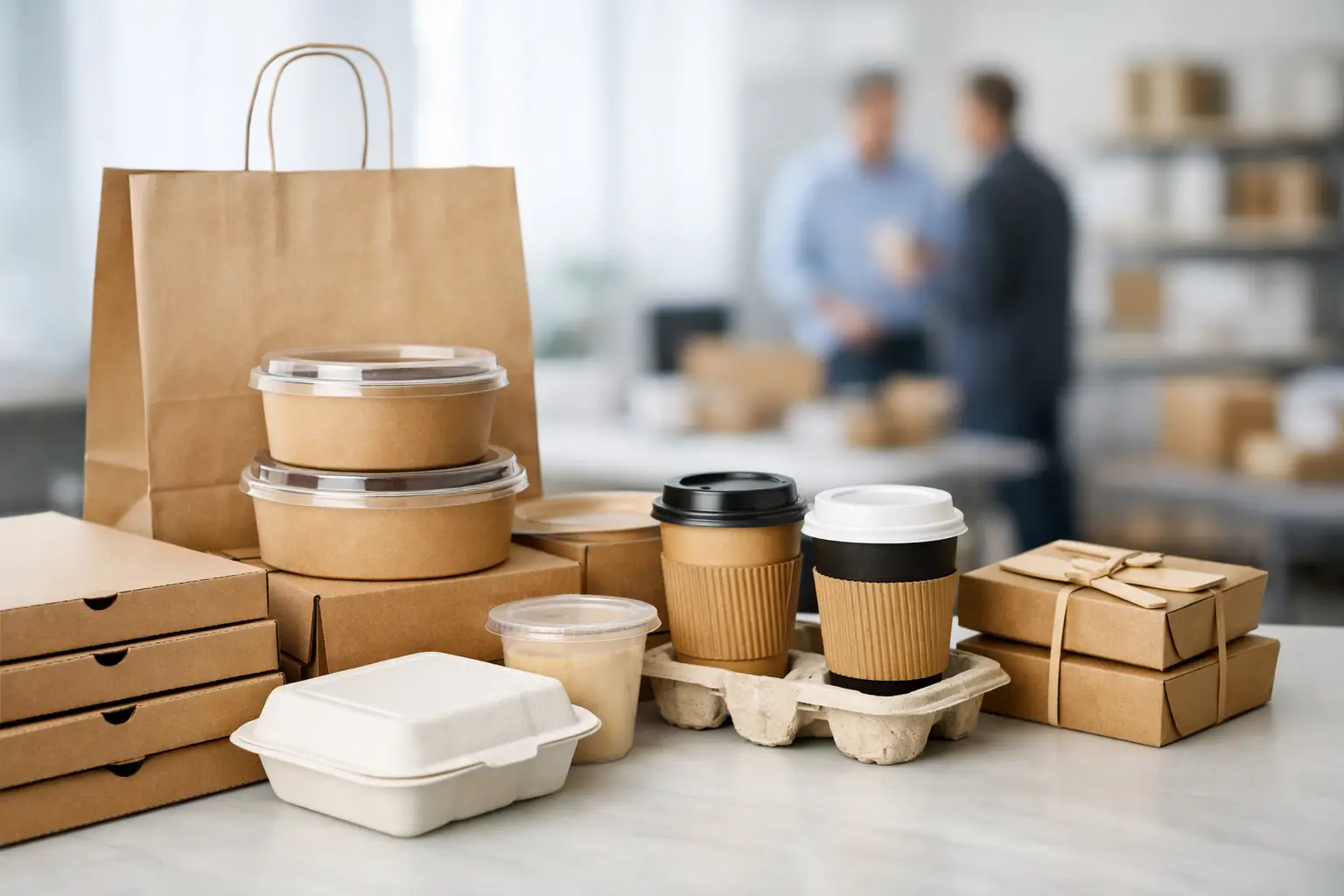
Running out of lids on a Saturday lunch rush is not a packaging problem. It is a service problem, a waste problem and usually a margin problem as well. That is why choosing the right takeaway packaging supplier matters more than many operators expect. The supplier you buy from affects speed of service, food presentation, stock control and how reliably your team can trade day after day.
For most food businesses, packaging is not one line on a purchase order. It is a chain of everyday essentials that all need to work together. Coffee cups need the right lids. Burger boxes need to hold heat without ruining texture. Carrier bags need to suit order weight. Cleaning supplies and front-of-house disposables also need to be available when required. If you are buying from multiple vendors to cover basic categories, you are often creating extra admin, extra delivery charges and more room for stock gaps.
A good supplier is not just there to sell boxes, cups and containers. They should make buying simpler and service more consistent. For a café, that may mean being able to order coffee cups, smoothie cups, deli bowls, sandwich wedges and napkins in one place. For a fish and chip shop, it may mean trays, wrapping paper, carrier bags and condiments that are easy to reorder in volume. For a fast-casual operator, it is often about having dependable stock across hot food containers, salad bowls, cutlery and takeaway bags without having to chase different wholesalers.
This is where range matters. A narrow supplier can look competitive on one line, but if they cannot support the rest of your packaging list, the real cost usually appears elsewhere. Teams spend more time sourcing. Deliveries become fragmented. Product consistency suffers. That matters when customers expect the same experience every time, whether they order a flat white, a chicken burger or a delivery meal for four.
Price always matters. Any sensible buyer compares case rates, pack sizes and overall basket value. But the cheapest line is not always the best buy if it creates waste, replacement orders or customer complaints.
Take hot drinks as an example. A low-cost cup can look fine until lids fit poorly or heat retention is weak. Then drinks spill, sleeves become necessary and customers notice. The same logic applies to food containers. If a base and lid do not travel well, or if grease leaks through, the cost of replacing one order can wipe out the saving on a whole sleeve of packaging.
A strong supplier helps you buy by use case, not just by unit price. That means matching products to food type, service style and volume. A burger box for eat-in overflow may not be the right choice for third-party delivery. A salad bowl that looks sharp on shelf may not be ideal for saucy meals. It depends on your menu, your average spend and how far your orders travel.
The right takeaway packaging supplier should cover core operational categories in a way that makes ordering efficient. For many businesses, that starts with
drink ware such as coffee cups, cold cups, smoothie cups and matching lids. From there, most operators need a dependable selection of food containers including foil trays, deli bowls, burger boxes, pizza boxes and bagasse formats for hot and cold dishes.
Then there are the categories that often get left until the last minute but are just as important. Carrier bags,
grease-proof paper, napkins, cutlery and cleaning supplies all support service. If they are missing, your team feels it immediately. A one-stop supplier is valuable because it reduces those last-minute gaps and helps buyers place fuller, more efficient orders.
This is especially useful for multi-format businesses. A coffee-led site that also serves sandwiches, toasties and salads needs more than cups. A takeaway with fried food, wraps and loaded sides needs different container formats across the menu. Buying category by category from specialist suppliers can work at scale, but for many independents and growing groups, it adds complexity without adding much value.
In wholesale packaging, availability is not a side issue. It is part of the offer. A product is only useful if you can reorder it when you need it. Frequent substitutions, inconsistent lead times and unclear pack information make life harder for buyers and for the staff using the stock on site.
This is where a supplier’s systems and stock depth matter. You want clear case quantities, straightforward product naming and sensible category structure so your team can reorder quickly. Ecommerce matters here too. Buyers should be able to see what they need, compare formats and place repeat orders without wasting time.
For busy operators, convenience has a cash value. If your manager spends an hour every week chasing basic packaging lines, that is labour cost. If poor visibility leads to emergency purchases from retail channels, that is margin gone. Reliable wholesale supply is about reducing friction as much as reducing price.
Branded packaging used to feel out of reach for smaller operators. That has changed. A capable takeaway packaging supplier should now be able to support bespoke options for growing businesses as well as established groups, especially on visible items such as printed
grease-proof paper and personalised coffee cups.
The value is practical, not just cosmetic. Branding helps customers recognise your business more quickly in-store, on delivery and on social posts. It also makes everyday packaging work harder. A burger wrapped in printed
grease-proof or a coffee cup with your logo can make standard service feel more considered.
That said, branded packaging is not always the first priority. If your menu is still changing, or your order volumes are unpredictable, plain stock may be the better short-term choice. Bespoke lines work best when your core packaging spec is settled and repeat demand is strong enough to justify the commitment. The right supplier should be honest about that and help you phase branding in where it has the clearest return.
There is no single best takeaway packaging supplier for every operator. The right choice depends on your menu, your service model and how you buy.
If you run a coffee shop, cup quality, lid fit, cup sizes and presentation will probably lead the decision. If you run a chicken shop or burger takeaway, grease resistance, venting, box strength and bag capacity matter more. If delivery is a large share of sales, stackability and leak prevention become key. For cafés with food-to-go, it is usually about range balance across cups, sandwich packaging, deli pots and carrier bags.
It is worth looking at your order history before making changes. Which lines do you buy every month without fail? Which products create the most complaints from staff or customers? Which categories are split across too many suppliers? Those answers usually show where improvement is needed.
You should also consider how the supplier supports growth. A partner that works when you have one site but cannot support broader category needs, better pricing on volume or bespoke printing later on may not be the right long-term fit. For many commercial buyers, that is where a broad ecommerce wholesaler such as Grab & Go Packaging Ltd makes sense – standard stock for daily trade, plus branded options when the business is ready.
Good packaging does a quiet job well. It protects temperature where possible, contains mess, travels efficiently and still presents the food properly when opened. Bad packaging creates friction at every step. Staff struggle to pack quickly. Customers notice leaks, sogginess or awkward lids. Reviews reflect the result.
That is why buying packaging should be treated as an operational decision, not just a purchasing task. The supplier you choose affects consistency, labour, customer perception and waste. Getting it right does not always mean buying the most premium line in every category. It means choosing stock that suits your menu, your service style and your reorder habits.
If your current setup involves too many vendors, too many substitutions or too many compromises, it is probably time to simplify. A dependable supplier with the right range, clear wholesale pricing and sensible branding options can make day-to-day trading easier. And when service is smoother, customers rarely think about the packaging at all – which is usually the best sign that it is doing exactly what it should.