
Next Day UK delivery on orders by 12pm (T&Cs apply)
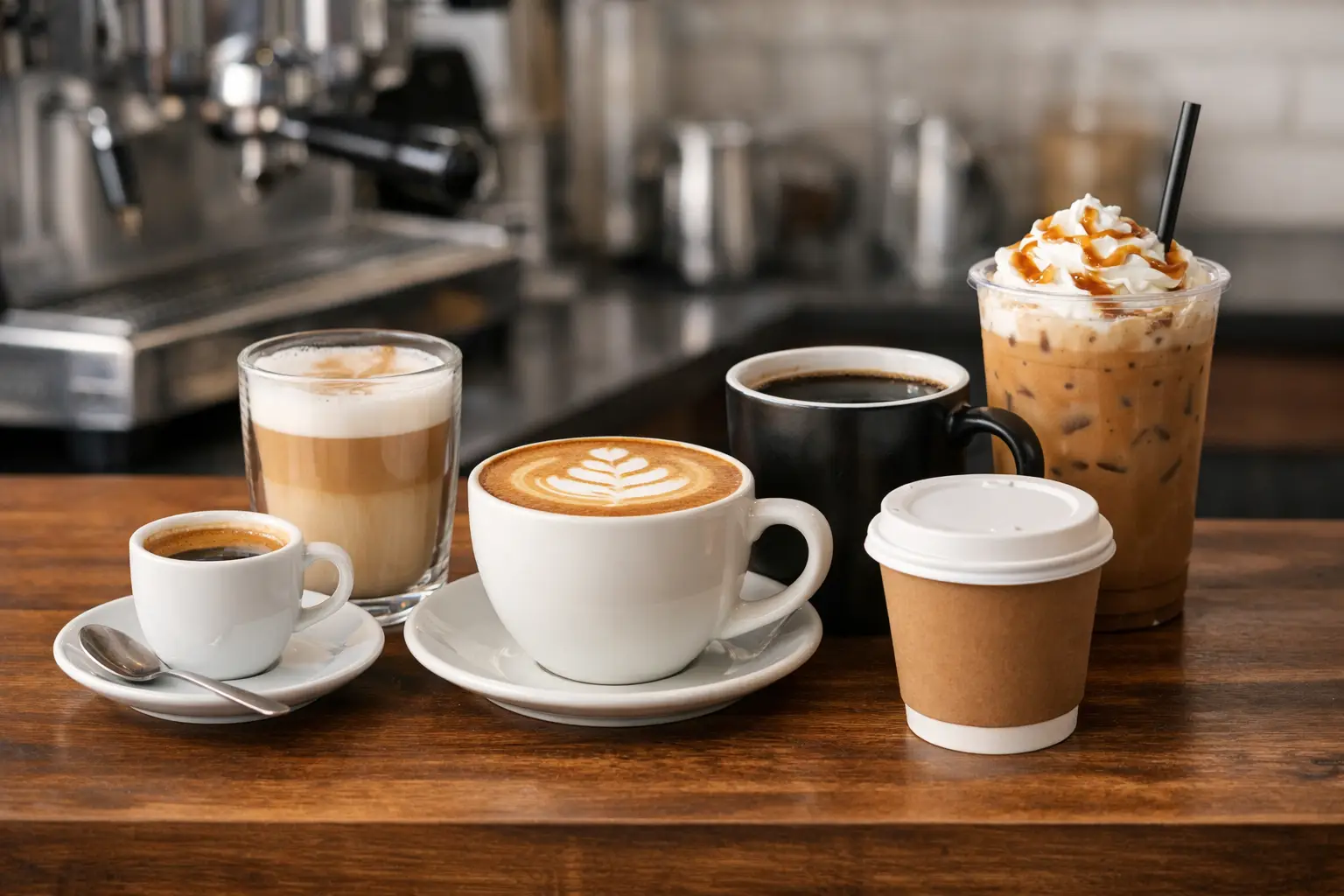
The best coffee cups for cafes are not always the cheapest cups on the shelf. They are the ones that suit your drinks menu, keep service moving, hold heat properly, travel well with the right lid, and still look right in a customer’s hand. For busy operators, that usually means choosing cups as part of a wider service system rather than as a standalone product.
A flat white in a cup that feels too tall looks mean. A large latte in a weak wall cup can become uncomfortable to hold. A takeaway cappuccino with a poor-fitting lid creates complaints, wasted drinks and extra cost. Cup choice affects speed of service, product quality, customer perception and repeat spend, so it deserves the same attention as beans, milk and machinery.
Most cafes need more than one cup format. If you serve both sit-in and takeaway, the right mix may include disposable hot cups, cold cups for iced drinks, and reusable options for selected service models. The best range depends on your menu, average order value, service style and volume.
Start with drink sizes. Many cafes work around 8oz, 12oz and 16oz as core hot cup sizes, with some adding 4oz espresso or sample cups and 20oz for larger takeaway drinks. If your menu is tightly controlled, a smaller size range helps stock management and reduces ordering complexity. If your menu is broad, forcing every drink into the same cup family often creates waste or poor presentation.
Material is the next decision. Single wall cups can work well for smaller drinks or where sleeves are used, but they are less comfortable for hotter, larger drinks. Double wall cups offer better insulation and a more premium feel, which can reduce the need for sleeves and improve the takeaway experience. Ripple wall cups add grip and heat protection, which makes them popular in high-volume coffee service where customers are carrying drinks on the move.
Then there is the lid. A strong cup with a weak lid is still a weak setup. Fit matters. Sip lids need to seal properly, stay secure during transport and match the cup rim exactly. If your trade includes delivery riders, office runs or commuter traffic, lid performance becomes even more important than shelf appearance.
A city centre takeaway-led coffee shop usually needs a different cup range from a village cafe with more seated trade. That is why there is no single best option for every operator.
If most drinks leave the premises, reliability comes first. Double wall and ripple wall hot cups are usually the safest choice because they protect hands, hold heat well and support faster service without requiring an extra sleeve for every order. They also give a sturdier feel, which customers tend to associate with better quality.
For these sites, standardising around core sizes and matching lids is often more valuable than carrying too many niche variants. Stock discipline matters when the queue is building and staff need to grab the right cup instinctively.
If your takeaway coffee is only part of the business, a balanced range may be better. Single wall cups can still make sense for selected sizes if paired with sleeves, especially where cost control is tight and takeaway volume is moderate. The trade-off is operational – sleeves add another item to stock, another
touch-point in service and another line in your packaging spend.
If presentation is a priority, many operators still move to double wall cups because they look cleaner front of house and feel more premium without extra components.
Where brand presentation is central to the customer experience, personalised coffee cups are often worth the extra planning. A well-printed cup turns every takeaway order into visible branding and helps create consistency across sites. This is particularly useful for growing businesses that want a more established look without changing the drinks offer itself.
Bespoke cups are not only about appearance. They also help operators move away from generic packaging that makes one cafe look much like the next.
For mobile operators, storage space and service speed are tighter. Cup ranges need to be efficient, stack neatly and work across several drink types. In these setups, keeping to a few high-performing cup sizes with secure lids is usually better than carrying a wide selection.
Weather also matters. Outdoor trading in colder months often increases demand for better-insulated cups, and customers are less forgiving of heat transfer when they are standing outside with a fresh drink.
Cost per unit matters, but so does total service cost. A cheaper cup that needs a sleeve, causes more lid failures or generates complaints can cost more in practice than a slightly higher-spec option.
Single wall cups are often the entry point for straightforward hot drink service. They can be cost-effective and suitable for smaller servings, but they are best where heat exposure is lower or where sleeves are already built into the operation.
Double wall cups sit in the middle of cost and performance. For many cafes, they are the most practical all-round option because they balance comfort, appearance and ease of service. They also help reduce clutter behind the counter by removing the need for separate sleeves in many cases.
Ripple wall cups are often chosen for stronger grip and better insulation. They suit fast takeaway trade, winter demand and larger drinks. The look is more textured and functional, which many operators like, though some premium coffee brands prefer the cleaner finish of double wall cups.
Compostable or paper-based options may also be part of the decision depending on your business model and customer expectations. Here, it helps to think beyond the label. The best choice depends on local waste handling, your service proposition and whether customers understand how the packaging should be disposed of.
Cup size is one of the easiest areas to get wrong. Choosing sizes based only on what competitors carry can leave you with waste, awkward portioning and inconsistent presentation.
An 8oz cup is commonly used for flat whites, cappuccinos and smaller lattes. A 12oz cup often becomes the workhorse size for general takeaway coffee. A 16oz cup suits larger lattes, mochas and other milk-heavy drinks. If you sell hot chocolate, chai or seasonal drinks with cream and toppings, your cup depth and lid fit become more important again.
It is worth checking how each size works against your actual recipes. A cup should leave enough room for the drink and any finishing element without looking
under-filled. Customers notice when a drink appears lost in the cup, and they also notice when a lid is pressed down onto foam with no headspace.
Generic cups do the job, but branded cups do more. They improve visibility, help customers remember where they bought the drink, and create a more polished impression that can justify premium pricing. In crowded high streets, that matters.
For independent cafes, bespoke printed cups can make the business look more established. For multi-site operators, they support consistency across branches and reduce the disconnected feel that comes from sourcing packaging ad hoc. The design does not need to be complicated. A clean logo, strong colour use and clear print quality usually go further than trying to include too much information.
This is where working with a supplier that understands both stock lines and personalised packaging can save time. Grab & Go Packaging Ltd, for example, supports operators that want standard everyday cup ranges as well as custom branded options within a wider packaging order.
The best coffee cups for cafes should be selected alongside lids, sleeves, cup carriers, napkins and the rest of your takeaway packaging. Buying each line separately can create compatibility issues and make reordering harder than it needs to be.
It also affects consistency at the counter. When cups, lids and carriers are designed to work together, staff move faster and customers get a better result. When they are mixed from several sources, problems usually show up during the busiest part of the day.
For procurement teams and owner-operators alike, there is a practical advantage in buying from a supplier with a broad
food-service range. It cuts admin, makes stock planning simpler and helps keep packaging quality consistent across coffee, food-to-go and delivery service.
The right cup is the one that fits your menu, your margins and your service reality. If you are reviewing your range, start with how drinks are actually sold and carried, not just what the unit price says. A better cup choice often pays for itself in fewer issues, stronger presentation and a smoother shift.