
Next Day UK delivery on orders by 12pm (T&Cs apply)
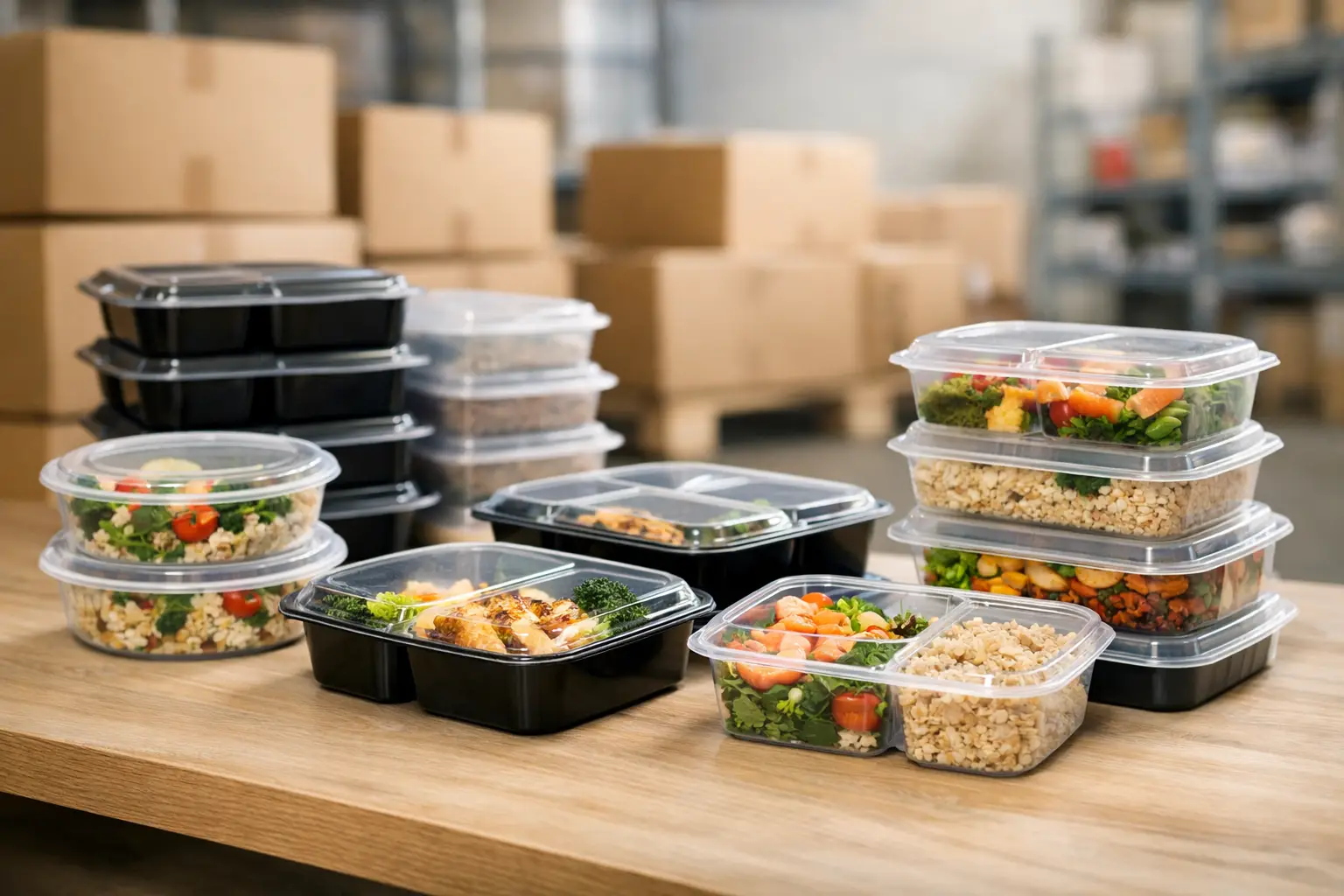
A meal prep line can look profitable on paper, then lose margin quickly if the packaging is wrong. Leaking lids, awkward stack heights, poor portion fit and inconsistent stock all create waste you feel every day. If you are buying meal prep containers wholesale, the job is not just to find a cheap unit price. It is to choose a format that works in service, travels well, stores efficiently and suits the food you actually sell.
For cafés, takeaways, deli counters, dark kitchens and contract caterers, meal prep packaging sits right in the middle of operations and presentation. It affects prep speed, fridge space, delivery performance and how customers judge value the moment they open the lid. That is why the right wholesale choice starts with the menu, not the carton quantity.
Start with the food format. High-protein rice boxes, pasta bakes, salads, overnight oats and snack pots all need different shapes, depths and closure types. A container that looks fine for chilled couscous can be a poor choice for hot chicken and sauce. Likewise, a wide shallow base may suit layered meals, while a deeper tub is better for saucy dishes or batch cooking.
Think next about service conditions. Are you packing food hot, chilled or frozen? Is the customer reheating at home? Will the product go into a delivery bag, a supermarket-style fridge, or a gym café grab-and-go shelf? These details narrow the field quickly and stop you overbuying the wrong specification.
Lid fit matters more than many buyers expect. A secure lid reduces leaks, protects presentation and makes stacking easier in prep fridges and delivery crates. It also cuts down complaints. If your team is closing hundreds of packs a day, ease of use matters too. A fiddly lid costs labour and causes inconsistent sealing in busy periods.
There is no single best material for meal prep packaging. The right option depends on menu type, price point and what matters most to your business.
Plastic containers remain a practical choice for many operators because they are lightweight, familiar to customers and available in a wide range of shapes and capacities. Clear or semi-clear options also help with product visibility, which is useful for chilled display and retail-style meal prep. If presentation is part of the sale, visibility can support perceived freshness.
Bagasse and paper-based alternatives can work well where a more natural look suits the brand or where a business wants a coordinated fibre packaging range across takeaway lines. The trade-off is that not every fibre option handles moisture, oil or reheating in the same way. Buyers need to match the specification to the food rather than assume one sustainable-looking format suits every dish.
Foil containers can suit oven-ready meals and certain hot applications, particularly where reheating performance is part of the offer. They are less suited where product visibility matters on shelf. They can also change the look of the range, so consistency across your packaging line should be considered.
Reusable-style meal prep tubs may appeal for premium prepared food, fitness meals or subscription-style supply. These can improve the feel of the product, but unit cost is higher, and that only makes sense if your pricing and customer expectation support it.
Buying too many sizes creates stock headaches. Buying too few can make the menu look badly fitted. The balance is to keep the range tight while covering your core dishes properly.
For many food businesses, a small set of staple capacities is enough: one for lighter meals or sides, one mid-size for standard mains, and one larger size for high-volume portions. Compartments can be useful for keeping proteins, carbs and veg separate, especially for fitness meals and chilled prep lines. They also help presentation. But they are not always the best use of space. Compartment packs can take up more storage room and may not suit mixed dishes where sauce and texture are part of the appeal.
A practical test is to plate three of your best-selling meal prep dishes into sample containers before placing a bulk order. Check headspace, lid closure, stacking and visual fill. A container that is technically the right volume can still make the portion look mean or messy.
If your operation covers both hot takeaway meals and chilled grab-and-go prep, do not assume one container can do everything well. Heat resistance, condensation behaviour and microwave suitability need checking in advance. Chilled salad containers may look smart but can struggle with freshly cooked food. Hot food packs may handle temperature better but create excess steam and affect the finish of chilled products.
This is where a category-led supplier is useful. Matching the container to the exact use case saves time and avoids trial-and-error across multiple vendors.
Wholesale buying should make operations easier, not clog up the stockroom. Before committing to any line, check the external dimensions, sleeve quantity and case count. A cheaper case price is not a saving if it fills your back room with slow-moving stock or forces you to reorder lids separately at awkward intervals.
Stackability matters in two places: your premises and the customer journey. In-house, stable stacking helps with prep benches, fridges and dispatch. In transit, it reduces movement and helps drivers and riders keep orders upright. If you supply meal prep in bulk to gyms, offices or local retailers, neat stackability also helps receiving and shelf replenishment.
Lid and base compatibility is another point buyers often overlook. Standardised fits across several container sizes can simplify ordering and reduce picking errors. Where lids differ across similar-looking packs, mistakes happen, especially in busy kitchens.
When buyers compare meal prep containers wholesale, the temptation is to focus on the lowest unit cost. That only tells part of the story. The better measure is delivered value across the whole operation.
Ask what the container costs you in waste, remakes and customer complaints. A cheaper pack that leaks, warps or travels badly is often more expensive over time. The same applies to packs that slow down assembly because the lids are awkward or the fill line is inconsistent.
There is also the question of menu pricing. A cleaner-looking, better-fitting container can support a stronger retail price, especially for health-focused meals, deli salads and premium prepared food. Packaging does not sell the meal on its own, but it does shape the customer’s view of quality.
For multi-site operators, consistency matters even more. Standard container formats across sites make procurement, training and stock forecasting easier. They also help keep the customer offer consistent from branch to branch.
Meal prep is often bought with the eyes first. If your products sit in a chilled display or are photographed for delivery platforms and social media, packaging presentation directly affects purchase intent. Clean lines, clear lids, tidy labels and coordinated secondary packaging all help.
This is where it can make sense to think beyond the container itself. Carrier bags, labels, cutlery packs, napkins and
grease-proof all contribute to how the finished order feels. For businesses building a stronger identity, bespoke printed items can raise the overall standard of the offer without changing the food.
Grab & Go Packaging Ltd supports this kind of joined-up purchasing approach. For many operators, sourcing containers, cups, bags, paper products and cleaning supplies from one wholesale partner is simply more efficient than splitting everyday ordering across several accounts.
The strongest supplier is not just the one with a container in the right size. It is the one that can support repeat ordering, broad category coverage and practical buying decisions. That matters if your meal prep range is expanding or if you run a mixed operation with hot food, drinks and front-of-house packaging all moving through the same stockroom.
Product range is a genuine advantage here. A one-stop supplier can help you align your meal prep packaging with the rest of your takeaway and catering lines, keeping specifications more consistent and reducing admin. Availability matters too. If a popular container goes out of stock regularly, your team ends up repacking into whatever is left, and standards slip fast.
It also helps to buy from a supplier that understands
food service use rather than general retail packaging. A trade-focused wholesaler is more likely to understand practical concerns such as leak resistance, stack height, shelf presence and how a pack performs during service.
The right meal prep container should earn its place every shift. It should be easy to fill, quick to close, dependable in transit and right for the food inside. If you buy with those basics in mind, wholesale packaging stops being just another cost line and starts doing what it should – protecting margin, presentation and service every single day.