
Next Day UK delivery on orders by 12pm (T&Cs apply)
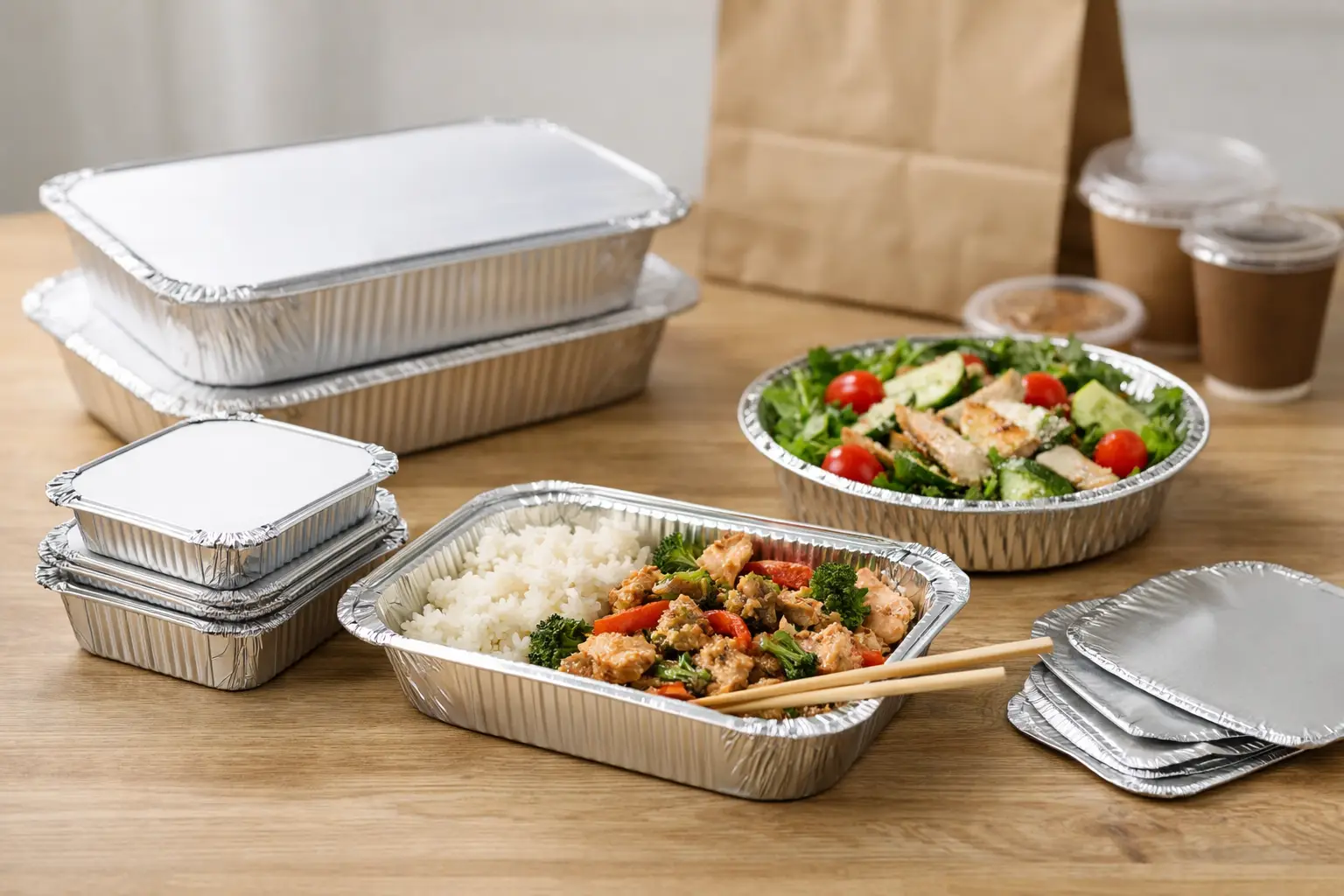
A leaking curry, a soggy roast potato, or chips that arrive steamed into softness usually come down to one thing – the wrong container. Foil trays for takeaway are still one of the most dependable options for hot food service because they hold heat well, stack efficiently, and suit a wide range of menu items without adding unnecessary cost.
For busy takeaways, cafés, mobile caterers and delivery-led kitchens, the appeal is practical rather than fashionable. You need packaging that works during prep, service and transport. Foil trays do that well, but only when the tray size, depth, lid format and food type all line up properly.
Some packaging trends come and go. Foil trays remain a staple because they solve everyday service problems quickly. They are especially useful where heat retention matters, where food is saucy or oily, or where menu items need to move straight from kitchen assembly to customer handover.
That makes them a strong fit for fish and chip shops, chicken shops, kebab houses, roast dinner takeaways, street food traders and event caterers. They also work well for meal prep and bulk portions where sturdiness matters more than presentation-led clear packaging.
The main advantage is performance under heat. Foil supports hot holding and helps keep food warmer than many lightweight alternatives. It also gives structure to heavier portions such as lasagne, pie and mash, mixed grills, rice dishes and loaded fries. If your operation regularly sends out food that needs to stay intact in transit, foil trays are often the safer choice.
There are trade-offs, of course. Foil is not always the best option for cold display, and if product visibility is important, you may prefer clear deli-style containers for some lines. The right answer depends on what you sell and how customers receive it.
The quickest way to waste money on packaging is to buy one tray format and force every menu item into it. That usually leads to
over packing,
under filling, poor stacking or customer complaints.
Shallow foil trays are useful for items that benefit from width rather than height. Think chips, onion rings, grilled meats, garlic bread or sliced
tray-bakes in catering settings. A wider surface area helps with portion presentation and reduces the problem of food compressing under lids.
Deeper trays are better suited to dishes with sauce, gravy or layered components. Pasta bakes, curries, rice meals, cottage pie and roast dinners all tend to travel better in a deeper format. The extra wall height reduces spills and gives more flexibility if portion sizes vary slightly during service.
Large family-size foil trays are a practical choice for bundle deals, sharing platters and catering collections. They also help kitchens selling oven-ready meals, where customers take the dish home to reheat or serve later. In those cases, foil adds convenience because the tray itself feels familiar and functional.
If your menu includes both dry and wet items, it often makes sense to stock more than one foil tray size rather than asking a single format to do everything. That keeps presentation tighter and cost per serve more controlled.
The tray is only half the packaging decision. The lid matters just as much, especially for delivery and collection orders.
Board lids are commonly chosen for hot takeaway because they are simple, efficient and help protect food during short transport windows. They are a practical option for operators moving high volumes at speed. Crimp-on foil lids can offer a more secure seal for certain applications, particularly where leakage is a concern.
Even with a good lid, steam management matters. If food is packed too quickly after cooking, condensation can build and affect texture. That is particularly noticeable with chips, fried chicken and crisp-coated foods. In those cases, the best tray is not always the deepest or most tightly sealed one. Sometimes a slightly different format, or a short standing time before closing, will improve the result.
This is where experience in your own kitchen matters more than theory. Two shops can sell similar food and get different results because holding times, driver turnaround and portion methods differ.
Buying the cheapest tray in bulk is rarely the cheapest option overall. If the size is wrong, you either give away margin through oversized portions or create a poor customer impression with underfilled containers.
A tray should fit the portion naturally. Too large, and the meal looks mean even when the weight is right. Too small, and lids buckle, sauces spill, and side items get crushed. For businesses running set meal deals, standardising tray sizes can also speed up packing and reduce mistakes during busy periods.
Storage is another factor. Wholesale buyers usually think first about unit price, but case dimensions matter too. If back-of-house space is tight, a slightly different tray profile that stacks better may be worth more than a marginal saving on pack cost.
Foil trays suit a broad range of hot food applications, but they are particularly reliable for a few categories.
Fish and chips operators often use them for fish portions, chips, combination meals and sides because they handle heat and grease well. Chicken shops use them for wings, strips, loaded fries and rice boxes. Takeaways serving curries, pasta, kebabs and roast meals value the structure and depth options.
They are also useful for caterers producing buffet dishes, hot desserts and oven-finish items. If food may be reheated by the customer, foil trays make that process straightforward. That practical benefit can matter as much as the tray itself.
For lighter café food, however, foil is not always the strongest fit. Paninis, pastries, sandwiches and cold salads may be better served in other formats where visibility and grab-and-go presentation matter more.
Procurement is not just about product choice. It is about buying the right quantity for your trading pattern.
Steady-volume sites usually benefit from larger case purchases, especially on core lines used every day. That helps with consistency and reduces the time spent reordering. Seasonal operators or businesses trialling new menu lines may be better off testing one or two tray formats first before committing to higher volumes.
It also helps to look beyond a single item. If you are already buying cups, lids, burger boxes, bags,
grease-proof and cleaning supplies, sourcing foil trays from the same wholesale partner can reduce admin and improve stock planning. For many food businesses, convenience is not a bonus – it is part of cost control.
A one-stop supplier such as Grab & Go Packaging Ltd can make that process easier, particularly for operators who want standard stock lines alongside bespoke items like printed
grease-proof paper or personalised cups.
Before buying foil trays for takeaway, check how the tray performs with your actual menu rather than relying on dimensions alone. Look at fill level, lid fit, stackability, leakage risk and how the food eats after ten to fifteen minutes in transit.
It is also worth checking whether the tray suits your service style. Counter collection, app delivery, office catering and event trading all put different pressure on packaging. The right tray for a walk-in fish and chip order may not be the best one for a thirty-minute multi-drop route.
Finally, think about how foil trays sit within the wider packaging mix. Most operators do not need every product to do every job. They need each format to do one job properly. Foil trays are strongest when used where heat, structure and dependable carrying performance matter most.
If your packaging is costing you complaints, wasted portions or messy deliveries, this is usually a good category to review first. The right foil tray will not fix a weak menu, but it will give good food a better chance of arriving as intended. That is often the difference between a one-off order and a repeat customer.