
Next Day UK delivery on orders by 12pm (T&Cs apply)
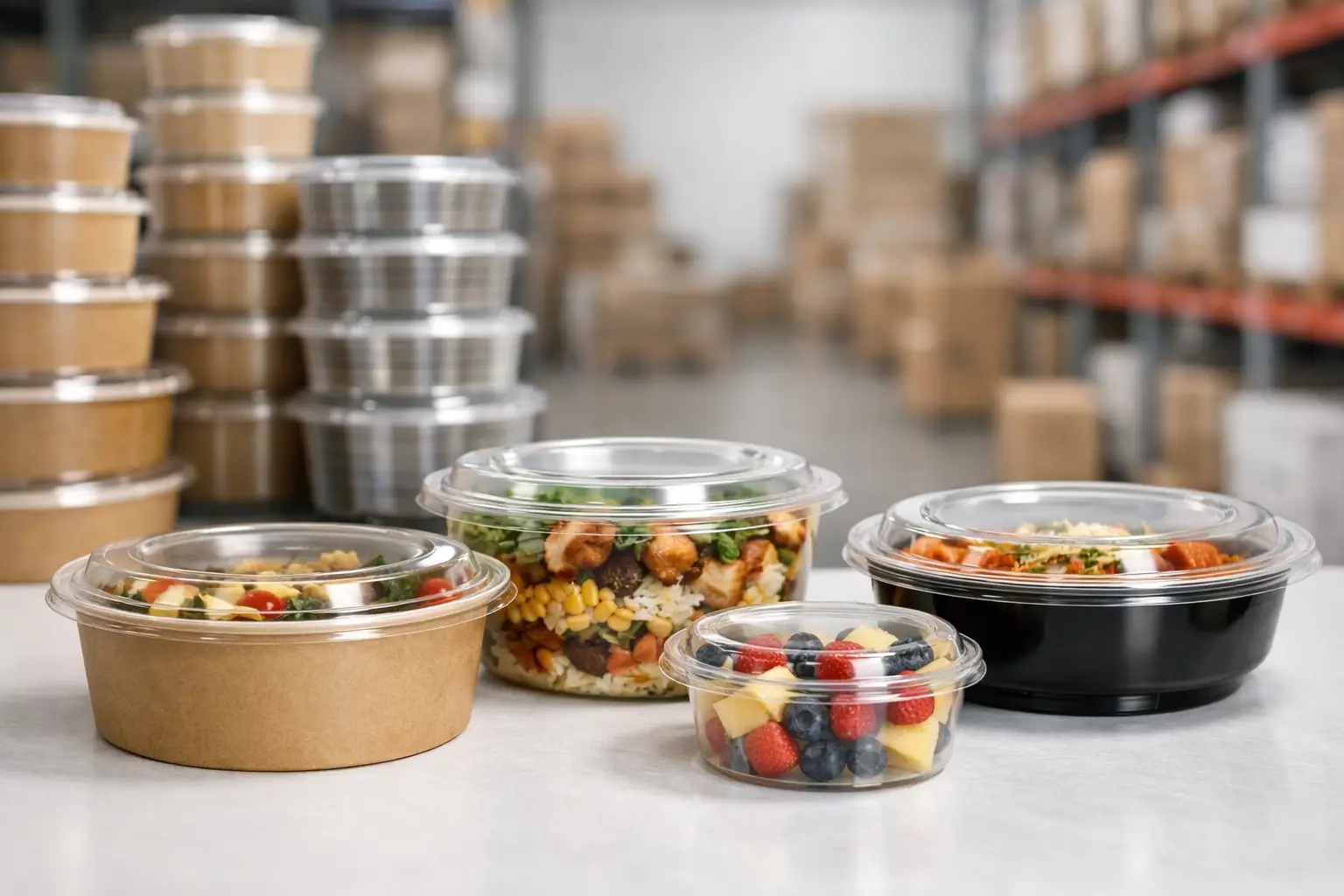
If your chilled counter is doing real work, the wrong container shows up quickly. Leaks in delivery bags, cracked lids in the fridge, poor stackability in prep, and portions that look mean or overfilled all create avoidable cost. That is why deli bowls with lids wholesale is not just a buying decision about unit price. It is about fit for service, product consistency, and how easily your team can pack food at pace.
For cafés, takeaways, salad bars, sandwich shops and mobile caterers, deli bowls sit in a very practical part of the packaging range. They need to handle cold food well, present it cleanly, and move from prep area to display to customer
hand off without fuss. If you are ordering in bulk, getting the format right matters more than chasing the lowest line price.
A deli bowl has a simple job, but buyers usually need it to cover several uses at once. It might hold pasta salad, coleslaw, fruit, yoghurt pots, noodles, rice dishes, side salads or meal prep portions. In some sites, the same bowl size is used across front-of-house display, click and collect, and delivery. That puts pressure on one product to do more than one task.
At wholesale level, the basics need to be dependable. The bowl must stack well in storage, separate easily during service, and close securely with a lid that does not need a second attempt every time. Clear presentation also matters. Customers buy with their eyes, especially in grab-and-go chillers where the container acts as part of the display.
The best buying choice depends on your menu. A lighter bowl may suit dry salad items and cold sides, while a sturdier option can be better for fuller portions, layered deli meals or products with dressing and sauce. If your business uses delivery platforms heavily, lid security becomes even more important than shelf appearance.
Size is often where wholesale buyers either save money or create waste. If the bowl is too large, portions can look underfilled and loose in transit. If it is too small, lids dome awkwardly, ingredients compress, and the end result looks rushed.
For sides and smaller chilled portions, compact bowls usually do the job well. They help with cost control and keep your display looking tidy. Medium sizes are often the most versatile because they cover pasta salads, rice pots, noodles, fruit portions and lunch add-ons without carrying too much dead space. Larger bowls are better for meal salads, sharing sides, and more generous prepared foods.
There is no single best size across every operation. A coffee shop with a small food-to-go range will usually want a tight group of practical sizes that reduce stock complexity. A deli counter or multi-site takeaway may need broader coverage to keep presentation consistent across different menu lines. In both cases, it helps to match bowl size to the actual gram weight of the product, not just to what looks standard on a supplier list.
Packaging has a direct effect on food cost control. If staff have too much headroom in the bowl, they often
over portion to make the product look full. Across a busy week, that adds up. A better fitted container supports a cleaner fill line and gives your team a more repeatable packing routine.
It also helps with customer expectations. A neatly filled bowl looks intentional and premium. An oversized bowl with a loose portion can look poor value, even if the food weight is correct.
When buying deli bowls with lids wholesale, material should be chosen around service conditions. Clear plastic bowls remain a popular option because they show the product well, hold shape, and suit chilled food presentation. They are practical for display fridges, pre-packed counters and takeaway shelves where visibility drives purchase.
That said, not every site needs the same specification. Some businesses prioritise crystal-clear presentation. Others need stronger sidewall rigidity for stacked storage or transport. If you are packing oily dressings, slaws, layered desserts or sauce-based cold meals, test how the bowl and lid perform under real conditions rather than relying on description alone.
If sustainability goals are part of your buying process, you also need to balance appearance, disposal route, and cost. A greener option only works commercially if it still protects the food and fits the pace of service. For many operators, the right answer is a mix across the wider packaging range rather than forcing one material into every category.
A bowl is only as good as its lid. In trade use, poor lid fit slows down service, creates waste through split stock and damages customer confidence if products leak in the bag.
A secure lid should snap on cleanly, stay closed during handling, and hold its shape in chilled storage. If the lid flexes too much or needs extra pressure to seat properly, your team loses time on every order. That matters in busy lunchtime trade and large prep runs.
This is why buyers should always think in bowl-and-lid combinations rather than bowls alone. Wholesale supply works best when the matching components are easy to reorder, kept in stock, and consistent across repeat purchases. A marginal saving on bowls means very little if the lid quality lets the line down.
Counter presentation is one thing. Delivery performance is another. A bowl that looks fine in the fridge may behave differently once it sits in a rider bag, tips slightly, or has weight placed against it in a mixed order.
For takeaway-heavy businesses, it makes sense to test deli bowls with actual menu items, including dressings, cut fruit, slaws and prepared meals. Stack them, chill them, carry them, and place them in carrier bags with other packaging formats. A proper test usually reveals whether the lid is trade-ready.
Unit price matters, but wholesale buying is really about total operating cost. A slightly cheaper bowl may look attractive on paper, yet cost more through damaged lids, slower packing, more
over portioning, and weaker shelf presentation.
It is usually better to buy a bowl range that supports fast service and reliable stock control. Consistency helps staff work quicker, especially if you use the same format across several products. It also simplifies reordering and reduces storage confusion in smaller back-of-house spaces.
Pack size is another practical factor. Larger cases generally improve value, but only if you have the turnover and storage capacity to handle them. Independent cafés and seasonal operators may be better served by sensible wholesale case quantities rather than the absolute largest volume option. Multi-site businesses often benefit from standardising bowl sizes across locations to improve purchasing efficiency.
Where product presentation matters, deli bowls can support brand perception as much as they support food handling. Clean, clear containers help fresh food look more premium. Add a well-placed label or combine them with branded bags, printed stickers or personalised
grease-proof in the wider order, and the result feels more put together.
This is especially useful for operators expanding chilled lunch ranges, meal prep offers or premium deli counters. Customers notice consistency. If your cups, wraps, bowls and bags all look like they belong to the same business, the overall offer feels more established.
For buyers already reviewing multiple packaging lines, it often makes sense to source deli bowls alongside cups, lids, takeaway containers, sandwich packaging and front-of-house consumables from one supplier. That saves time, reduces fragmented ordering, and helps keep service standards aligned. Grab & Go Packaging Ltd supports that kind of one-stop purchasing approach for
food-service businesses that need reliable everyday stock and room to scale.
Before committing to volume, check the basics against your actual operation. Make sure the bowl size matches your core menu items, the lid holds securely after chilling, and the case quantity suits your weekly movement. Look at how the bowls stack on shelves, how quickly staff can pack them, and whether they sit neatly in your display fridge or prep area.
If you run more than one service style, test for all of them. A bowl used only for chilled display has different demands from one used for click and collect or third-party delivery. The right wholesale choice is the one that performs across your busiest trading conditions, not just in a sample on the desk.
A dependable deli bowl does not need to be complicated. It needs to fit the portion, close properly, present the food well and arrive every time you reorder it. Get that right, and one small packaging line can make your chilled offer easier to manage, easier to merchandise, and easier to sell.