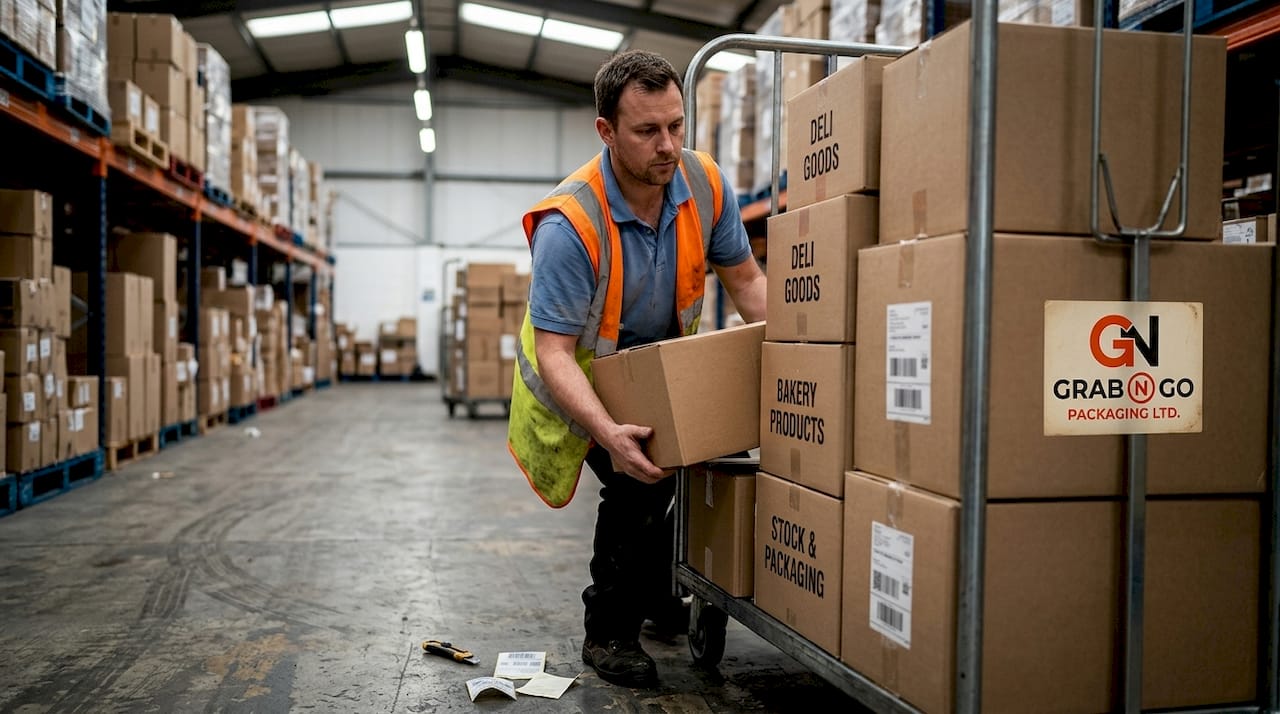
Corrugated Food Packaging: Sustainable Solutions for UK Restaurants

Chef using corrugated packaging in kitchen

Finding the right balance between food protection, sustainability, and standout branding can feel like a never-ending challenge for restaurant managers. The demand for eco-friendly solutions continues to rise across the United Kingdom, and customers expect more than just functional packaging. Corrugated packaging offers a unique blend of strength, customisation, and impressive environmental credentials, with over 80% already recycled in the United Kingdom. Discover how the right corrugated solution can set your restaurant apart while meeting both operational needs and customer values.

Table of Contents

Key Takeaways

Point Details
Sustainability Benefits Corrugated packaging is highly recyclable and made from renewable materials, significantly reducing the environmental impact of food transportation.
Functional Versatility Various formats of corrugated packaging cater to different food types and transportation needs, enhancing food quality and customer satisfaction.
Regulatory Compliance Adhering to stringent UK food packaging regulations ensures safety and maintains public health standards in food service.
Branding Opportunities Corrugated packaging serves as a marketing tool, allowing restaurants to communicate their commitment to sustainability while enhancing their brand image.

Corrugated food packaging defined and debunked

Corrugated packaging is a versatile and sustainable solution transforming how UK restaurants approach food transportation and presentation. At its core, this ingenious material represents more than just a container – it’s a carefully engineered protective system designed to preserve food quality and minimise waste.

The fundamental structure of corrugated packaging involves multiple layers that provide remarkable strength and flexibility. Corrugated cardboard composition typically consists of two outer liner boards surrounding a wavy middle layer called fluting. This unique architecture creates exceptional cushioning and structural integrity, making it perfect for restaurant delivery and takeaway services.

Key characteristics of corrugated packaging include:

  • Lightweight yet incredibly strong material
  • Fully recyclable and often made from recycled paper pulp
  • Available in different thickness levels for varied protection needs
  • Sustainable sourcing from responsible forestry practices
  • Capable of withstanding temperature variations during food transportation

Sustainability credentials are particularly impressive. Over 80% of corrugated packaging gets recycled in the United Kingdom, representing a significant environmental advantage over alternative packaging materials. The renewable nature of paper-based products means restaurants can significantly reduce their carbon footprint by choosing corrugated solutions.

Pro tip: When selecting corrugated packaging, request samples to test durability and ensure they meet your specific food transportation requirements.

Major types and formats used in food service

Corrugated packaging in food service is far more nuanced than a simple container. Multiple board configurations enable restaurants to select precise packaging solutions tailored to specific culinary requirements, from delicate pastries to substantial hot meals.

The primary categories of corrugated packaging formats include:

  • Single-wall boxes for lightweight takeaway items
  • Double-wall containers for heavier food deliveries
  • Specialised trays with moisture-resistant coatings
  • Compartmentalised packaging for multi-item meals
  • Insulated sleeves for temperature-sensitive dishes

Each format offers unique advantages depending on the food type and transportation needs. Specialized packaging configurations can incorporate barrier layers that protect against moisture, grease, and temperature variations, ensuring food quality remains consistent from kitchen to customer.

Restaurants increasingly recognise that packaging is not just about transportation, but also about brand presentation and sustainability. Modern corrugated packaging solutions provide restaurants with opportunities to showcase their commitment to environmental responsibility while delivering exceptional food presentation standards.

Pro tip: Select packaging that matches your specific food type, considering weight, moisture content, and temperature requirements to ensure optimal food preservation and customer satisfaction.

Core features and functional advantages explained

Corrugated packaging represents a sophisticated engineering solution that goes far beyond simple container design. Fiber-based material innovations have transformed these packaging solutions into highly functional protective systems for food service businesses.

The core functional advantages include:

  • Exceptional mechanical strength
  • Lightweight construction
  • Superior cushioning capabilities
  • Customisable barrier properties
  • Excellent thermal insulation
  • Rapid biodegradability

Packaging technologies now offer advanced protective features that extend beyond traditional transportation protection. Modern corrugated packaging can incorporate specialised coatings that resist moisture, control oxygen exposure, and maintain food integrity throughout the delivery process.

Corrugated delivery boxes at restaurant counter

These innovative packaging solutions provide restaurants with more than just a transportation medium. They serve as a critical interface between food quality, brand presentation, and environmental responsibility. By selecting the right corrugated packaging, restaurants can simultaneously protect their culinary creations, reduce food waste, and demonstrate their commitment to sustainable practices.

Pro tip: Invest time in understanding your specific food transportation requirements to select corrugated packaging with precisely matched barrier and protective characteristics.

Compliance with UK food packaging regulations

Food packaging regulations represent a critical framework for ensuring consumer safety and product integrity in the United Kingdom. Packaging materials must meet stringent safety standards that protect both food quality and public health across the food service industry.

Key regulatory compliance requirements include:

  • Materials suitable for direct food contact
  • No transfer of harmful chemical substances
  • Production under strict hygienic conditions
  • Alignment with UK and European food contact material legislation
  • Controlled manufacturing processes
  • Use of food-grade barrier coatings

Industry certification standards play a crucial role in demonstrating regulatory adherence. Organisations can obtain certifications like BRC Packaging and FSSC 22000, which provide independent verification of their packaging safety and quality management systems.

Restaurants and food service businesses must remain proactive in understanding these complex regulatory requirements. By selecting packaging solutions that inherently meet safety standards, businesses can mitigate risks, protect consumer health, and demonstrate their commitment to professional food service practices.

Pro tip: Regularly review your packaging suppliers’ compliance documentation and seek those with current food safety certifications to ensure ongoing regulatory alignment.

Branding, sustainability, and cost considerations

Sustainable packaging has become a critical differentiator for UK restaurants seeking to enhance their brand reputation and environmental credentials. Consumer perceptions increasingly prioritise eco-friendly packaging, making packaging a powerful communication tool beyond its functional purpose.

Key strategic considerations for restaurants include:

  • Demonstrating environmental commitment
  • Reducing overall packaging material consumption
  • Leveraging packaging as a branding opportunity
  • Minimising carbon footprint
  • Creating transparent sustainability narratives
  • Balancing cost-efficiency with ecological responsibility

Corrugated packaging delivers notable economic advantages through its lightweight design and local manufacturing capabilities. By eliminating secondary packaging and reducing product damage, restaurants can simultaneously lower costs and showcase their sustainability commitments.

Infographic on corrugated packaging advantages

Modern consumers are sophisticated in their understanding of genuine sustainability efforts. Restaurants must move beyond superficial green claims and develop comprehensive packaging strategies that demonstrate measurable environmental impact reduction and authentic commitment to responsible business practices.

The following table summarises how corrugated packaging aligns with core business goals:

Business Goal Corrugated Packaging Benefit
Brand Presentation Customisable print and design options
Cost Savings Reduced weight, lower transport costs
Waste Reduction Excellent cushioning, minimises food damage
Environmental Leadership High recycled content, locally manufactured

Pro tip: Conduct a comprehensive packaging audit to identify opportunities for material reduction, recyclability, and cost savings while maintaining high-quality brand presentation.

Pitfalls, risks and comparing alternatives

Packaging selection demands careful consideration of multiple complex factors beyond simple material performance. Comparative analyses reveal significant trade-offs between different packaging materials that restaurants must critically evaluate.

Key comparative risks and limitations include:

  • Variability in recycling infrastructure
  • Potential material contamination
  • Performance inconsistencies
  • Environmental sourcing challenges
  • Cost differential between alternatives
  • Supply chain complexity

Corrugated packaging exhibits nuanced sustainability challenges, particularly regarding the requirement for virgin fibre integration to maintain structural integrity. While highly recyclable, the material cannot achieve complete circularity without compromising functional performance.

Alternative packaging materials like plastics and biodegradable options present their own comprehensive sets of challenges. Biodegradable solutions often struggle with cost-effectiveness and reliable performance, whereas plastic packaging typically offers superior moisture barriers but suffers from significantly lower recycling rates and higher environmental impact.

Here is a comparison of common food packaging materials for UK restaurants:

Packaging Material Strengths Key Limitations Sustainability Impact
Corrugated Cardboard Strong, lightweight, well-cushioned Moisture sensitive without coating Widely recycled, renewable
Plastic Containers Excellent moisture barrier, durable Low recycling rate, petroleum-based Higher carbon footprint
Biodegradable Options Compostable, suitable for cold foods Often fragile, higher costs Requires specific disposal route
Foil-Based Packaging Superior heat retention, rigid Not always recyclable, heavier Can be recycled—but not widely

Pro tip: Conduct thorough comparative assessments of packaging materials, considering not just environmental impact but also specific functional requirements for your particular food service context.

Discover Sustainable Corrugated Packaging Solutions for Your Restaurant Today

Choosing the right food packaging is a crucial step in preserving your culinary creations while meeting sustainability goals. If you are looking to reduce waste, ensure regulatory compliance and make a strong eco-friendly statement, corrugated packaging offers an ideal balance of protection, recyclability and brand appeal. Our collection at Uncategorized – Grab & Go Packaging provides versatile options tailored specifically to UK food service needs.

https://grabngopackaging.co.uk

Explore durable, lightweight packaging designed to keep your food fresh and secure from kitchen to customer. Visit Grab & Go Packaging now and benefit from competitive prices, quick ordering and a wide range of customised or standard corrugated solutions. Take the step to enhance your brand reputation and environmental credentials with packaging that truly delivers. Shop today and start transforming your food packaging strategy immediately.

Frequently Asked Questions

What is corrugated food packaging?

Corrugated food packaging is a protective system made of multiple layers of cardboard, consisting of two outer liner boards and a wavy middle layer called fluting. It is designed to preserve food quality during transportation while being lightweight and sturdy.

How environmentally friendly is corrugated packaging?

Corrugated packaging is highly sustainable, with over 80% being recyclable. It is made from recycled paper pulp and is fully biodegradable, making it an eco-friendly choice that helps reduce carbon footprints for restaurants.

What types of corrugated packaging are suitable for food delivery?

There are various types of corrugated packaging for food delivery, including single-wall boxes for lightweight items, double-wall containers for heavier meals, moisture-resistant trays, compartmentalised packaging for multi-item meals, and insulated sleeves for temperature-sensitive dishes.

How can restaurants ensure compliance with food packaging regulations?

Restaurants can ensure compliance by selecting packaging materials suitable for direct food contact, free of harmful chemicals, and produced under strict hygienic conditions. Regularly reviewing suppliers’ compliance documentation and certifications is also crucial.

Verified by MonsterInsights