
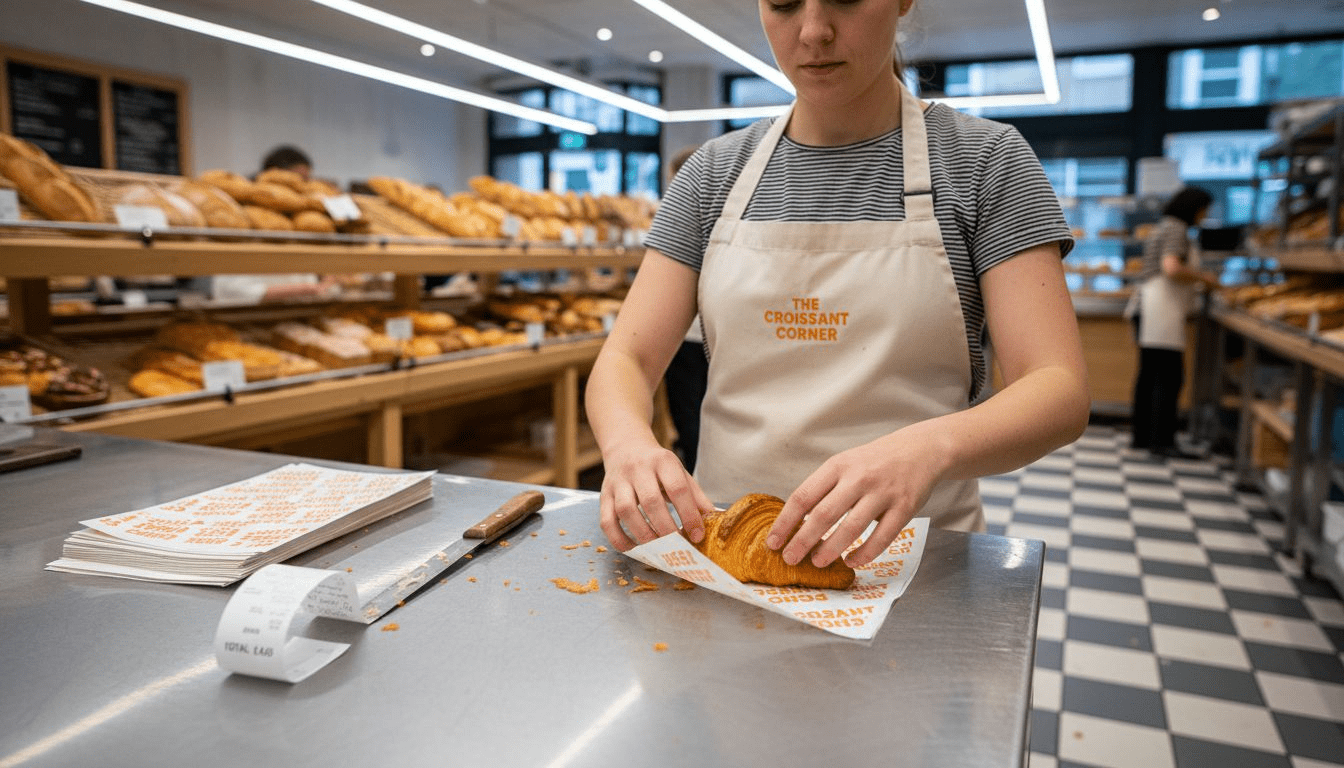
Standing out on the table and within social feeds matters more than ever for British restaurants aiming to impress. Choosing the right greaseproof paper is no longer just about function, but about crafting an unforgettable brand experience that supports both presentation and compliance demands. This guide shows catering managers how to balance visual innovation, material performance, and new UK sustainability regulations for greaseproof paper that sets your business apart.
| Key Point | Explanation |
|---|---|
| 1. Evaluate packaging requirements carefully | Assess food type, moisture, and transportation to align your packaging with brand identity and functionality. |
| 2. Choose sustainable materials | Select greaseproof paper that is eco-friendly, PFAS-free, and compliant with food safety regulations for better brand perception. |
| 3. Design custom layouts thoughtfully | Create distinct, memorable artwork that effectively communicates your brand message and engages consumers visually. |
| 4. Implement precise printing techniques | Focus on quality control in printing to ensure vibrant, sharp graphics that enhance your product’s appeal. |
| 5. Conduct thorough quality checks | Maintain high standards by verifying the consistency and performance of finished sheets against established criteria. |
Designing effective greaseproof paper demands a strategic approach that balances functional performance with compelling visual branding. Your packaging must not only protect food items but also communicate your brand’s unique identity and values to potential customers.
Begin by comprehensively evaluating your specific packaging needs through a systematic assessment. This involves examining several critical dimensions:
Understanding the packaging regulatory landscape is crucial for compliance and strategic planning. UK businesses must navigate extended producer responsibility regulations, which impact packaging material choices and sustainability objectives.
Strategic packaging design transforms functional requirements into powerful brand communication opportunities.
Consider how your greaseproof paper can simultaneously solve practical challenges while reinforcing your brand’s narrative. For instance, selecting PFAS-free materials demonstrates environmental consciousness and commitment to food safety.
Branding considerations should include:
Pro tip: Collect sample packaging from competitors to benchmark design standards and identify opportunities for differentiation in your greaseproof paper branding.
Selecting the right greaseproof paper materials is a critical decision that impacts your food packaging’s performance, brand perception, and environmental responsibility. Your goal is to find materials that balance functional requirements with sustainability and visual appeal.
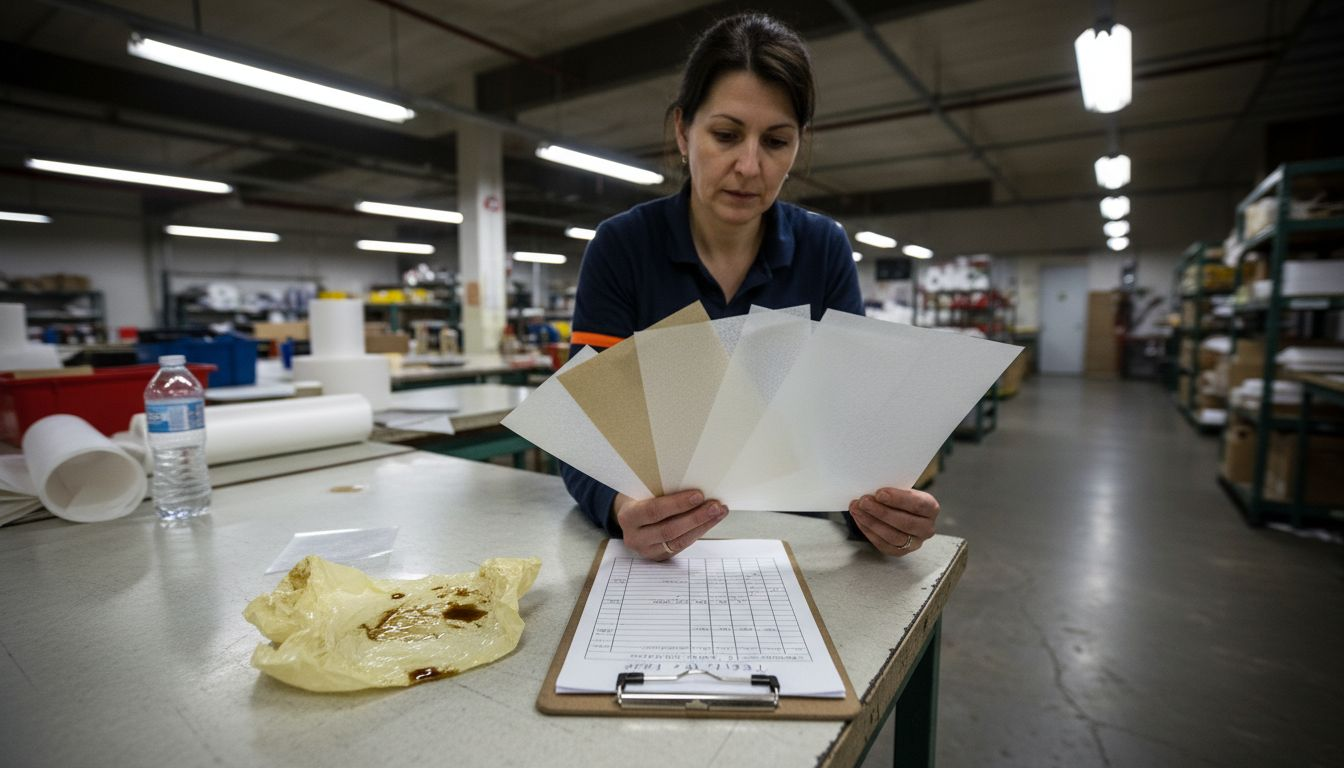
Begin by understanding the key material characteristics that define high-quality greaseproof paper. UK recycling assessment standards provide essential guidance for material selection, focusing on recyclability and environmental impact.
Consider these critical material evaluation criteria:
Sustainable material selection is not just an environmental choice, but a strategic business decision.
Particularly important is avoiding PFAS-containing packaging materials, which pose significant health risks. Modern greaseproof paper alternatives now offer excellent performance without compromising safety.
Material selection priorities should include:
Pro tip: Request material specification sheets and conduct small-scale testing to validate performance before committing to large-volume purchases.
For quick reference, here are common greaseproof paper materials and their typical advantages:
| Material Type | Performance Benefit | Sustainability Aspect |
|---|---|---|
| Natural fibres | Stable grease barrier | Biodegradable, widely recyclable |
| Water-based coatings | Enhances moisture resistance | Low chemical impact, PFAS-free |
| PFAS-free treatments | Maintains safety standards | Supports regulatory compliance |
| Minimal chemicals | Reduces migration risk | Safer for direct food contact |
Developing a distinctive greaseproof paper design requires strategic creativity that transforms your packaging into a powerful brand communication tool. Your artwork must capture attention while delivering critical information about your food offering.
Chaos packaging design trends emphasise visual disruption and consumer engagement, making your design choices crucial for brand memorability. Understanding design principles will help you craft artwork that stands out in a competitive marketplace.
Key design elements to consider include:
Effective design transforms packaging from a mere container into a silent brand ambassador.
The design process requires careful integration of aesthetic and functional considerations. Historic packaging design approaches demonstrate how successful branding balances visual appeal with practical communication.
Critical design considerations should encompass:
Pro tip: Develop three distinct design concepts and seek feedback from potential customers to validate your visual approach.
Achieving exceptional print quality on greaseproof paper requires precision, technical expertise, and a thorough understanding of specialised printing techniques. Your goal is to create visually striking packaging that maintains crisp graphics and brand integrity throughout the production process.
Screen printing control techniques provide essential guidance for maintaining high-quality print standards, ensuring your greaseproof paper packaging looks professional and consistent.
Key printing considerations include:
Precision in printing transforms ordinary packaging into a compelling brand communication medium.
Understanding packaging waste recyclability requirements is crucial when selecting printing methods, ensuring your chosen technique doesn’t compromise environmental compliance.
Critical printing technique factors:
Pro tip: Request print sample tests on actual greaseproof paper to validate colour fidelity and print resolution before full production.
Ensuring the highest standards of your greaseproof paper requires meticulous quality verification processes that validate every aspect of your finished product. Your objective is to create sheets that meet both technical specifications and brand expectations.
Paper industry quality control standards provide comprehensive frameworks for systematic assessment of manufacturing outputs, enabling precise evaluation of greaseproof paper performance.
Key verification criteria include:
Quality verification transforms manufacturing from production to performance validation.
Understanding UKCA conformity assessment protocols is essential for ensuring your greaseproof paper meets regulatory requirements and demonstrates professional manufacturing standards.
Critical quality verification steps:
Pro tip: Develop a standardised quality checklist with measurable parameters to streamline your verification process and maintain consistent product excellence.
Here’s a summary of how strategic choices at each step influence business outcomes:
| Step | Primary Focus | Business Impact |
|---|---|---|
| Assess Requirements | Align packaging to brand goals | Boosts brand recognition and compliance |
| Choose Materials | Select safe, eco-friendly paper | Reduces risk and improves sustainability |
| Bespoke Design | Develop unique artwork | Increases consumer engagement |
| Printing Techniques | Achieve precise, vivid graphics | Enhances perceived quality and consistency |
| Quality Verification | Ensure finished product meets standards | Strengthens customer trust and loyalty |
Struggling to find packaging that perfectly balances food protection and standout branding Can your current greaseproof paper truly express your brand identity while meeting strict safety and sustainability standards The article highlights crucial challenges like selecting PFAS-free materials, achieving vivid artwork, and guaranteeing consistent quality. These pain points directly affect how customers perceive your business and your operational compliance.
At GrabnGo Packaging, we understand these demands and provide a broad range of bespoke greaseproof papers tailored specifically for food service and hospitality businesses. With our solutions, you gain access to high-quality, eco-friendly materials, custom printing options that reinforce your brand personality, and reliable products that meet UK food safety criteria. Our platform simplifies your sourcing process whether you purchase in bulk or smaller quantities.
Take control of your packaging narrative today by choosing supplies that deliver both protection and promotion. Explore our collection of bespoke greaseproof papers and discover how seamless it is to upgrade your packaging with market-leading standards. Visit GrabnGo Packaging now and make your packaging a silent yet powerful brand ambassador.
To assess your packaging requirements, evaluate factors such as food type, moisture content, temperature needs, and transportation conditions. Create a checklist to help identify your specific needs, ensuring your packaging aligns with both functional performance and brand identity.
Focus on materials that offer grease and moisture resistance while being biodegradable and PFAS-free. Prioritise options like natural fibre base materials and water-based coatings to align with sustainability goals.
Start by considering key design elements such as colour, typography, and logo placement that reflect your brand identity. Create three distinct design concepts and gather feedback from potential customers to refine your final choice.
Utilise printing methods that ensure minimal ink migration and maintain sharp edge definition for vivid graphics. Request print sample tests before full production to confirm colour fidelity and print resolution.
Implement a quality verification process that includes random sampling, surface analysis, and performance testing. Develop a standardised checklist with measurable parameters to ensure consistency and adherence to technical specifications.
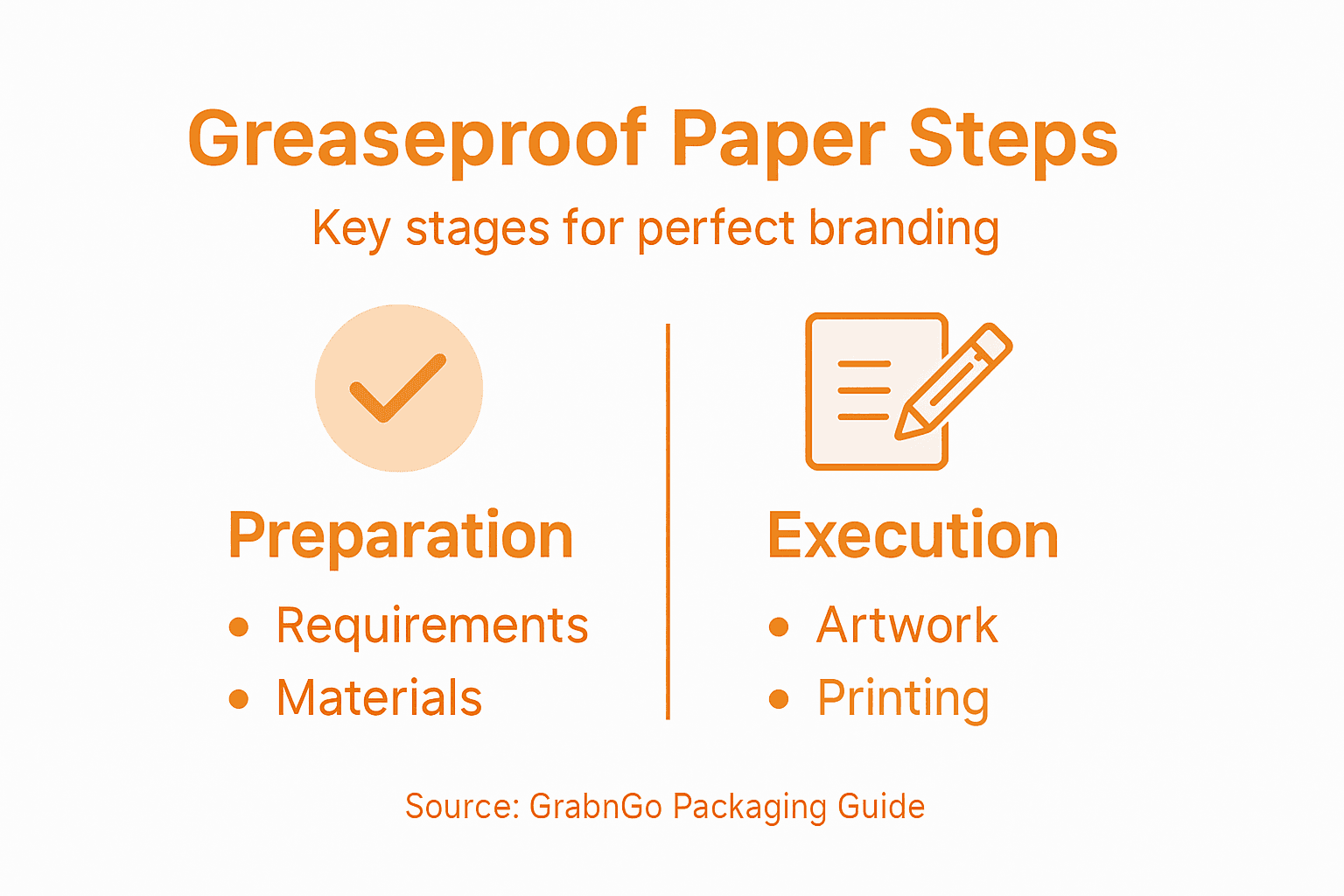
Follow a structured approach starting with thorough assessment, selecting suitable materials, designing distinctive artwork, applying precise printing techniques, and conducting comprehensive quality checks. Complete these steps methodically to enhance brand recognition and compliance.