
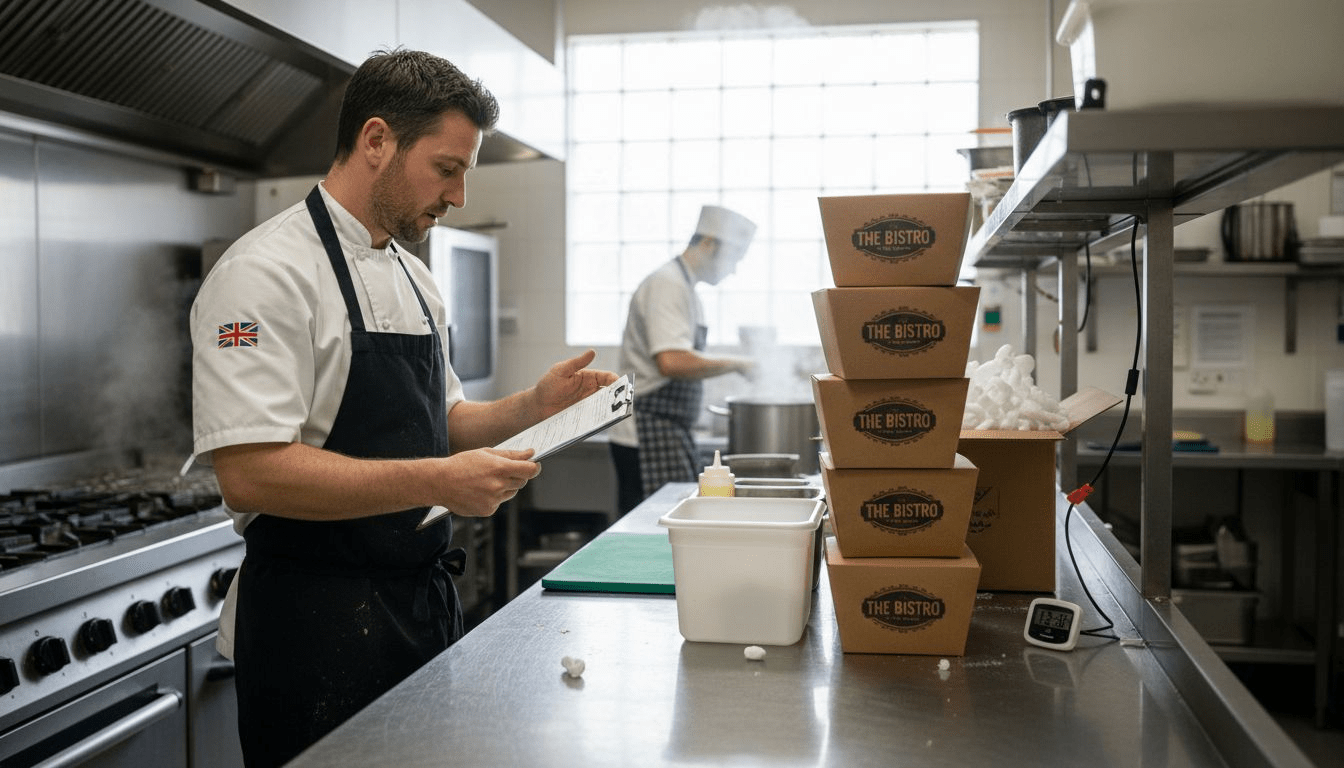
Running a café or restaurant in the UK means handling packaging challenges every day, from keeping food fresh during delivery to meeting strict labelling rules. In Britain’s food service industry, quality packaging is about much more than just appearance—it impacts food safety, customer trust, and your brand reputation. Whether you’re looking for containers that protect your products or packaging that highlights your business values, understanding what truly defines packaging quality gives you a practical edge in a crowded market.
| Point | Details |
|---|---|
| Emphasise Packaging Quality | Quality packaging protects food, ensures compliance with regulations, and enhances brand perception. |
| Understand Material Properties | Different foods require specific packaging types to maintain freshness and prevent contamination. |
| Assess Financial Implications | Investing in quality packaging can prevent hidden costs associated with damage, waste, and regulatory fines. |
| Prioritise Sustainability | Ensure packaging choices align with legal requirements and reflect your brand’s environmental values to attract customers. |
When you’re running a café or restaurant, packaging quality isn’t some abstract concept you worry about later. It’s the practical measure of how well your containers, boxes, and wrapping actually perform in real operations. Quality packaging for food service means materials that protect your food, comply with regulations, maintain hygiene standards, and reflect your brand’s values. Think of it as the difference between a box that keeps your sourdough fresh until it reaches the customer’s table versus one that arrives crushed and stale.
Food contact regulations form the foundation of what quality means in UK hospitality. The Food Standards Agency mandates that packaging must meet strict requirements under Regulation No. 1169/2011, ensuring accurate labelling and safe contact with food throughout the supply chain. This isn’t bureaucratic red tape. These standards exist because poor packaging directly impacts food safety, customer trust, and your legal liability. Your packaging must maintain hygiene, meet composition standards, and provide clarity of food information. When a customer reads your label, they need to see accurate allergen information, ingredient lists, and storage instructions. Vague or misleading labelling puts you at risk and damages customer confidence.
Beyond legal compliance, quality packaging for food service involves production in controlled environments that maintain freshness and prevent contamination. The Foodservice Packaging Association emphasises that good packaging should be cost-effective, lightweight, and easy to store while ensuring packaged food remains uncontaminated throughout the supply chain. This balance matters tremendously for your operations. You need materials that don’t add unnecessary weight to delivery boxes (which increases your shipping costs), stack efficiently in your storage space, yet still provide adequate protection. A quality takeaway container, for instance, should resist grease penetration, maintain structural integrity when stacked, and keep food at the correct temperature long enough for delivery. Your customers judge your business partly on the physical quality of what arrives at their door. A soggy sandwich in a flimsy container sends a very different message than a fresh meal in sturdy, professional packaging.
The practical reality is that packaging quality encompasses multiple interconnected factors working together. Your boxes must pass food-contact material standards whilst remaining cost-effective enough to protect your profit margins. They must communicate your brand identity through design and printing quality. They must function properly during storage, transport, and use. When you select packaging from suppliers, you’re essentially evaluating whether they’ve controlled their production environment, verified their materials meet regulations, and tested their products under real-world conditions. Cheap packaging that tears during delivery or leaks grease across the customer’s hands isn’t saving you money. It’s costing you repeat business and damaging your reputation.
Pro tip: Request samples from your packaging supplier and test them under your actual operating conditions—stacking them as you would in storage, checking how they handle your hottest foods, and timing how long contents stay fresh—before committing to bulk orders.
Your choice of packaging solution directly affects how well your food arrives at the customer’s door. Different foods require different protection strategies, and UK regulations classify packaging solutions by material type and intended use. Plastics, ceramics, paper, and metals each have specific labelling, safety, and food contact requirements that determine what works best for your operation. A soup container needs different properties than a bakery box. A coffee cup requires different features than a fish and chips wrapper. Understanding which packaging type suits which application isn’t just about finding something that fits your product. It’s about meeting regulatory compliance, maintaining food quality, and creating the right customer experience.
Disposable containers form the backbone of modern UK food service operations. These typically include rigid plastic boxes for takeaway meals, bagasse containers for hot foods, and paperboard trays for salads and prepared items. Each type serves specific purposes. Rigid containers protect stacked items during delivery and maintain structural integrity when filled with heavy or hot food. Bagasse products, made from sugarcane fibre, offer excellent grease resistance and work particularly well for fried foods and items with wet sauces. When you select a takeaway container, you’re choosing based on whether the food inside will leak, whether it needs to maintain temperature, how long it sits before consumption, and whether your brand values sustainability. Packaging materials for food businesses span multiple options, each designed for specific protection and convenience needs ranging from eat-in service to delivery operations.
Wraps, bags, and cups handle different product categories altogether. Greaseproof paper wraps protect sandwiches and baked goods from moisture whilst maintaining breathability. Kraft paper bags work for lighter items like pastries and fresh produce. Cups and lids come in paper or plastic variants and must meet strict food contact requirements for beverages at specific temperatures. Your labelling approach changes depending on packaging type as well. Loose food has different requirements than prepacked items. Catering operations face different rules than retail. Each scenario mandates specific allergen and additive disclosures. When you’re sourcing packaging, you must verify that your chosen materials comply with the specific use case you’re operating within. A container suitable for hot meal delivery won’t meet requirements for chilled desserts. A paper wrapper won’t work where you need temperature retention.
Temperature maintenance separates one packaging type from another in practical terms. Insulated containers with rigid construction keep hot foods above safe temperatures longer. Breathable wrapping prevents condensation that turns a crispy pastry into a soggy disappointment. Sealed containers protect against contamination during delivery. Your operation might use multiple packaging solutions simultaneously. A café could use rigid containers for salads, bagasse trays for hot lunch items, paper cups for beverages, and greaseproof wraps for sandwiches. Each choice aligns with the food type, storage duration, delivery method, and customer expectations. The cost per unit matters, but more importantly, the right packaging prevents waste from spoiled goods, reduces customer complaints, and protects your reputation. Cheap packaging that fails its basic function costs far more in lost customers than the savings on packaging materials.
Here is a comparison of common food service packaging types and their key features:
| Packaging Type | Best For | Key Strength | Typical Weakness |
|---|---|---|---|
| Rigid Plastic Boxes | Hot meals, stacked dishes | Structural strength | Sustainability concerns |
| Bagasse Containers | Fried/wet foods | Grease resistance | Can warp if too moist |
| Paperboard Trays | Salads, cold items | Lightweight, recyclable | Weak for hot foods |
| Greaseproof Paper | Sandwiches, baked goods | Moisture barrier | Poor temperature hold |
| Kraft Paper Bags | Pastries, dry produce | Breathable, compostable | Tears with heavy loads |
| Insulated Cups | Hot or cold drinks | Temperature retention | Not always recyclable |
Pro tip: Match your packaging type to the specific food and delivery timeframe you’re using it for, then test a small batch under real conditions before switching to bulk orders to catch any compatibility issues early.
The connection between packaging quality and food safety isn’t theoretical. It’s measurable and direct. Poor packaging creates pathways for contamination. It accelerates spoilage. It breaks down barriers that keep bacteria, moisture, and air away from your food. When you serve a customer a sandwich that’s been sitting in inadequate packaging for two hours, you’re not just risking their satisfaction. You’re risking their health. Packaging quality directly affects food safety by preventing contamination and spoilage through protective barriers and hygienic materials. High-quality packaging creates a seal against external threats. It controls exposure to air, which oxidises food and creates off-flavours. It manages moisture levels that encourage bacterial growth. It protects against physical damage that creates entry points for pathogens. UK food safety standards demand this level of protection, and your choice of packaging directly determines whether you meet those standards or fall short.
Think about what happens to a salad in flimsy packaging versus sturdy containers. The flimsy option allows air circulation that wilts leaves within hours. It permits condensation that breeds bacteria. It offers minimal protection if stacked with other items. A quality rigid container, by contrast, maintains a controlled environment. It protects against crushing. It limits air exposure. It resists moisture migration. The difference in freshness the customer experiences translates directly to perceived quality of your entire business. You could source the finest ingredients from the best suppliers, but if your packaging fails to preserve them properly during the journey to the customer, all that effort and cost disappears. Quality packaging materials provide barriers to contaminants that prevent physical damage and leakage whilst ensuring hygiene standards throughout storage and transit.
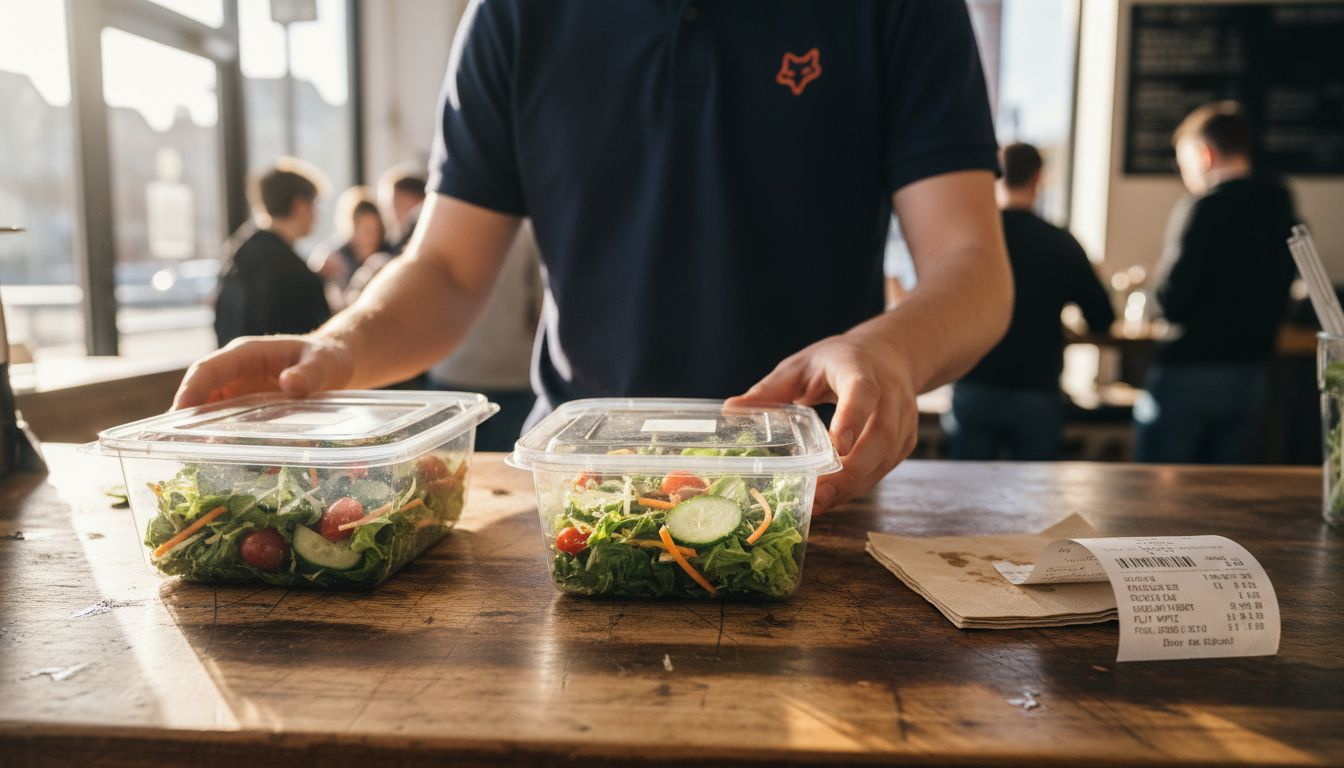
Freshness decay follows a predictable timeline, and packaging quality either extends or shortens that window dramatically. A bagasse container with proper grease resistance keeps fried foods crispy and prevents oil seepage that damages presentation and makes handling messy. A paper wrap without adequate moisture barriers turns a fresh sandwich into a soggy disappointment within hours. A cup without proper structural integrity leaks, which not only ruins the beverage but creates an awful customer experience. The shelf life you promise depends entirely on packaging performance. When you tell a customer their takeaway will stay fresh for a certain timeframe, your packaging must deliver on that promise. Substandard materials fail that promise within minutes. Quality materials extend that window substantially, which matters enormously for delivery operations where items spend significant time in transit.
Foodborne illness risks decrease substantially with quality packaging. Proper design prevents leakage that could cross-contaminate other items. Hygienic materials prevent pathogen transfer. Adequate barriers stop external bacteria from reaching food. Your liability exposure hinges on these practical realities. A food safety incident arising from inadequate packaging doesn’t just damage your reputation. It carries legal consequences, regulatory scrutiny, and potential financial penalties. Investing in quality packaging isn’t a cost centre. It’s insurance against these scenarios. Your customers also notice the difference immediately. They observe whether packaging feels sturdy or flimsy. They experience whether contents arrive fresh or compromised. They judge your standards based on these tactile details. Quality packaging communicates professionalism and care without you saying a word.
Pro tip: Conduct a freshness audit by purchasing your own takeaway items at various times of day and measuring how long contents stay fresh under your current packaging, then use these results to justify upgrading to higher-quality materials if needed.
Your packaging is literally the first physical touchpoint between your brand and the customer’s hands. Before they taste anything, they’re already forming opinions based on what they hold. Is it sturdy or flimsy? Does it feel premium or cheap? Is your branding visible and professional? Quality packaging transforms from a functional necessity into a marketing tool that works every single time a customer receives an order. This isn’t abstract branding theory. It’s direct, measurable impact on how people perceive your business. When you hand someone a takeaway in thoughtfully designed, well-made packaging, you’re communicating standards. You’re saying your café or restaurant cares about details. You’re saying the experience matters to you, which makes customers believe it should matter to them as well.
Quality packaging influences customer perception and satisfaction by serving as a visual and tactile brand ambassador. Well-designed containers with printed logos, colour schemes matching your brand identity, and professional finishing communicate professionalism before a single word is spoken. A coffee shop using custom-printed cups in brand colours creates brand recognition every time someone carries that cup down the street. A restaurant delivering meals in branded boxes transforms the unboxing experience into a moment where customers engage with your brand story. These moments matter for social media sharing. Customers photograph quality packaging and post it online. Poor packaging goes unshared or gets criticised. The difference in marketing value alone justifies investment in quality. You’re essentially paying for word-of-mouth amplification every time you upgrade your packaging standards.
Customer experience encompasses the entire journey from order placement through consumption. Packaging quality impacts multiple touchpoints. Easy-to-open containers with clear instructions demonstrate consideration for customer convenience. Secure lids prevent leakage that ruins car interiors and clothing. Appropriate sizing ensures portions don’t shift during transit. Protective insulation keeps hot foods hot and chilled items cold. Recyclable or compostable materials align with environmental values that increasingly influence customer loyalty. When customers experience these details working smoothly together, they attribute that quality to your entire operation. They return because the experience was seamless. They recommend your business because the details impressed them. Conversely, packaging failures create negative experiences that overshadow excellent food. A perfect meal arrives soggy, cold, or damaged because packaging failed its basic function, and suddenly your reputation suffers despite the quality of what you actually prepared.
Packaging serves as a platform for clear communication of brand values, product information, and sustainability practices. Customers increasingly want to understand what they’re purchasing. Quality packaging allows space for compelling storytelling. You can highlight locally-sourced ingredients. You can explain your sustainability commitments. You can build emotional connection through design that reflects your café’s personality. A minimalist coffee roaster uses clean, simple packaging that communicates sophistication. A quirky bakery uses playful design and typography that reflects its personality. The packaging becomes part of your brand narrative rather than an afterthought. This distinction drives customer loyalty. People don’t just return for good food anymore. They return for the complete brand experience, and packaging quality is a substantial component of that experience. Repeat customers often mention the little details that made them feel valued, and quality packaging contributes significantly to that feeling.
Pro tip: Survey your customers about what packaging improvements would enhance their experience, then prioritise 2-3 upgrades you can implement immediately, testing whether they actually generate increased social media sharing or repeat orders before expanding to other packaging types.
Sustainability isn’t optional anymore for UK hospitality businesses. It’s a legal mandate wrapped in environmental responsibility. The UK government has implemented significant packaging reforms that directly affect which materials you can use, how you source them, and what happens to them after customers finish with them. Understanding these requirements isn’t just about compliance. It’s about positioning your business as responsible and forward thinking. Customers increasingly choose businesses aligned with their environmental values. Your packaging choices communicate those values whether you intend them to or not. A café using compostable takeaway containers sends a different message than one still using single use plastics. Both messages register with customers, and one builds loyalty whilst the other invites criticism.
Extended Producer Responsibility for packaging represents the foundation of modern UK packaging regulation. This legislation requires producers and businesses to manage the full lifecycle of packaging waste. You don’t just sell products in packaging and walk away. You bear responsibility for ensuring that packaging gets recycled or disposed of responsibly. This shift changes how you think about packaging choices. Materials that seem cheaper upfront might cost more when you factor in end of life management. Recyclable materials reduce your producer responsibility obligations. Materials that can’t be recycled increase your costs and compliance burden. The regulations enforce sustainability benchmarks across the industry, meaning your competitors face the same obligations you do. Nobody gets to shortcut environmental responsibility anymore.
Compliance with UK Packaging and Packaging Waste Regulations requires detailed attention to recyclability assessments and material selection. When you choose packaging, you need to verify that it meets current recyclability standards. This isn’t always straightforward. Some materials marketed as sustainable don’t actually get recycled efficiently in UK waste streams. Compostable packaging sounds good but only works if composting infrastructure exists where your customers are located. Recyclable materials require clear labelling so customers actually recycle them rather than sending them to landfill. Your packaging supplier should provide documentation proving their materials meet these standards. If they can’t, that’s a red flag. You need partners who understand these regulations as thoroughly as you do, because your business faces liability for packaging choices that fail to meet standards.
The practical reality is that investing in quality, sustainable packaging aligns your business with legal requirements whilst creating marketing advantages simultaneously. Customers notice when you’ve made genuine sustainability commitments versus greenwashing. A café genuinely using compostable cups and clearly communicating that choice builds reputation. The same café falsely claiming sustainability whilst using standard plastics damages trust when customers notice the contradiction. Sustainable packaging often costs more per unit, but consider the broader picture. Reduced producer responsibility obligations save money long term. Enhanced brand reputation drives repeat business. Alignment with customer values builds loyalty. Regulatory compliance protects you from penalties and enforcement action. Quality sustainable packaging isn’t an expense. It’s an investment in your business’s future viability in an increasingly environmentally conscious market.
Pro tip: Audit your current packaging against current sustainability regulations by reviewing supplier documentation and testing whether materials are actually accepted in local UK recycling streams, then create a transition plan to switch to compliant alternatives over the next 6 to 12 months rather than attempting everything at once.
Cheap packaging decisions look attractive on a spreadsheet until they don’t. A café owner calculating costs per unit might see a 20 percent saving on packaging materials and feel pleased. Then reality hits. Containers crack during stacking. Lids don’t seal properly. Food arrives damaged or compromised. Customers complain. Refunds get issued. Reputation suffers. What appeared as a cost saving becomes a financial disaster. The maths on packaging is counterintuitive. Spending more upfront on quality materials often costs less overall because you avoid the hidden expenses that poor quality creates. Understanding these pitfalls protects your bottom line and your business viability.
Inaccurate quantity labelling and non compliance with measurement standards represents one of the most common regulatory failures in UK hospitality. The Weights and Measures regulations demand precise labelling of product quantities. A sandwich box claiming 200 grams must contain exactly that. A coffee cup labelled as 12 ounces must deliver 12 ounces. Underestimating portions to save costs seems clever until enforcement notices arrive with significant fines attached. These aren’t minor penalties. Trading Standards can impose fines that genuinely damage small operations. Beyond the financial penalty, a regulatory violation damages credibility with customers and other businesses. Word spreads. Enforcement action becomes a matter of public record. The reputational cost compounds the financial cost substantially.
Product damage during delivery creates cascading financial problems that extend far beyond the cost of replacing a single meal. When packaging fails to protect food adequately, multiple expenses compound simultaneously. You lose the cost of ingredients already invested in that meal. You issue a refund or replacement, losing revenue. You damage customer satisfaction, risking that customer’s future business. You generate negative social media commentary that influences potential customers you’ll never know about. Poor packaging quality leads to increased waste, product damage, and customer dissatisfaction, which result in higher operational costs through waste management expenses and lost revenue. Calculate this realistically. If you serve 100 customers daily and one percent experience packaging failures, that’s one damaged order per day. Over a year, that’s 365 lost transactions. If each transaction represents a £7 average profit margin, you’ve lost £2,555 annually from a single percent failure rate. Now consider what you’re actually saving by using cheaper packaging. If cheaper packaging costs 50 pence per unit less than quality alternatives, and you go through 36,500 units annually, you save £18,250. But that savings evaporates entirely if packaging failures create just 730 damaged orders yearly instead of 365. The economics favour quality packaging decisively.
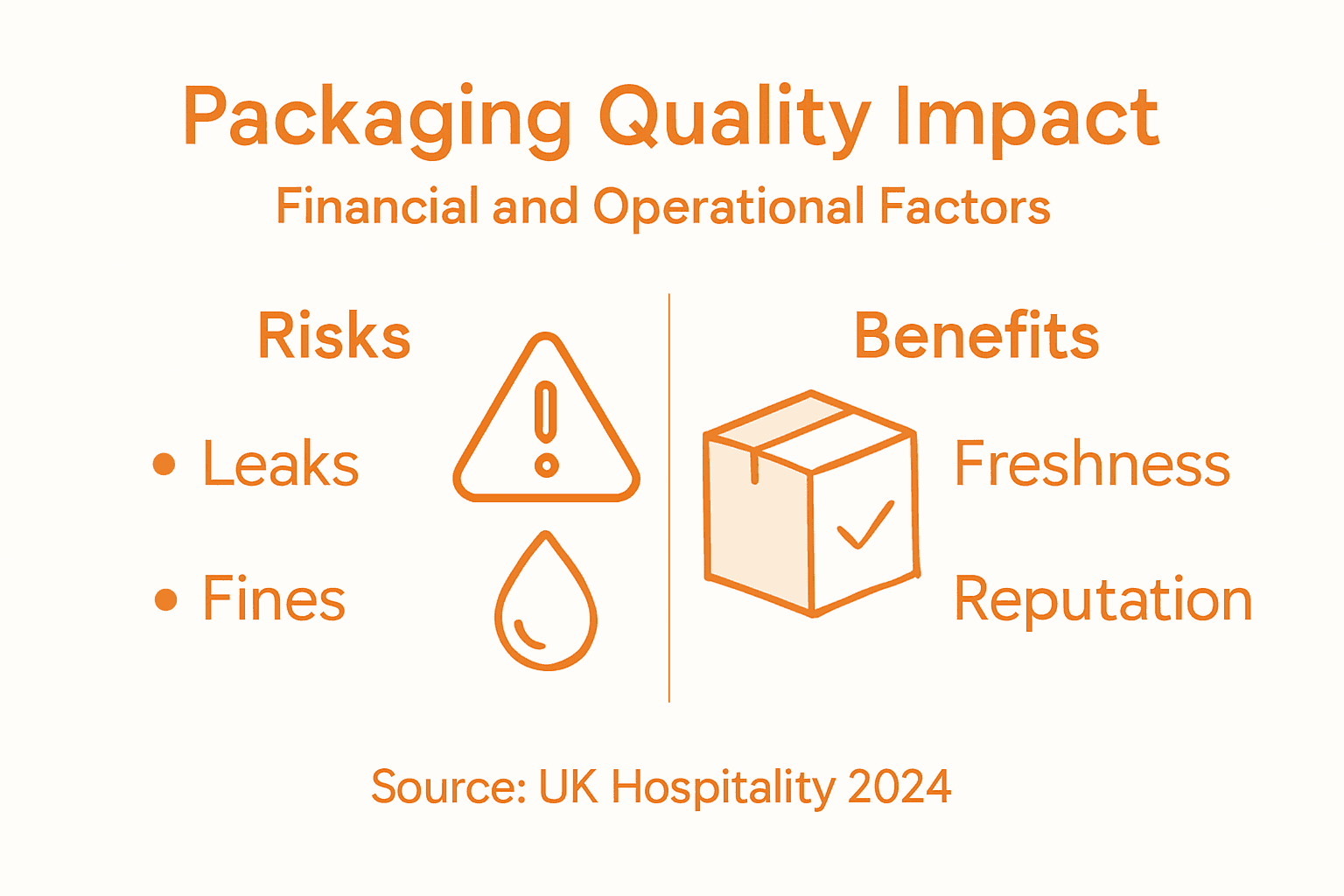
Regulatory compliance carries explicit financial consequences that many hospitality businesses underestimate. Fines for packaging violations range from hundreds to thousands of pounds depending on severity. Product recalls triggered by packaging failures can cost tens of thousands when you must retrieve and replace affected stock. Insurance premiums increase when you’ve had regulatory violations or customer safety incidents. Your ability to secure business credit becomes more difficult with compliance issues on your record. Worst case scenarios involve criminal liability if packaging failures cause actual harm. Beyond regulatory fines, the operational costs mount rapidly. You waste time managing compliance issues instead of running your business. You hire consultants or legal advice to address violations. You implement corrective systems to prevent recurrence. These indirect costs often exceed the original fines. Quality packaging prevents all of this. It’s insurance against financial catastrophe wrapped in functional protection for your products. The businesses thriving in UK hospitality today understand that packaging investment protects profitability more effectively than packaging cost cutting ever could.
This table summarises the financial impacts of packaging quality in food service:
| Factor | Poor Quality Packaging | High Quality Packaging |
|---|---|---|
| Customer Complaints | Increases due to damage/leakage | Reduced through better design |
| Food Waste | Higher from spoilage/breakage | Lower due to product protection |
| Regulatory Fines | More frequent, higher risk | Unlikely with compliance |
| Brand Reputation | Damaged by negative experiences | Enhanced with positive reviews |
| Long-Term Profitability | Decreases from hidden costs | Improves by preventing losses |
Pro tip: Run a cost analysis comparing your current packaging against quality alternatives by calculating not just unit costs but annual waste percentages, customer complaint rates, and refund frequencies, then add regulatory fine risks to show true total cost of ownership.
The article highlights the critical challenges UK hospitality businesses face around packaging quality from protecting food safety to enhancing brand experience while meeting sustainability regulations. If you are struggling with packaging that leaks, damages food, or fails to communicate your brand values clearly, these common pitfalls can cost you customers and profits. Prioritising quality packaging that meets food contact regulations and supports freshness can transform how your customers perceive your service and protect your reputation.
Grabngo Packaging specialises in meeting these exact needs by offering a broad range of tested, compliant packaging supplies including disposables, bespoke greaseproof papers, bagasse containers, and printed coffee cups that combine durability with branding opportunities.
Discover packaging designed for your real operational challenges that helps maintain food freshness, complies with legal standards and shows your environmental commitment. Visit our site today and explore how upgrading your packaging can reduce waste, prevent product damage and boost customer satisfaction. Take the first step towards protecting your profits with smart packaging choices tailored for UK hospitality.
Key factors include compliance with food contact regulations, the ability to maintain hygiene standards, the structural integrity of the packaging, and how well it protects food during storage and transport.
Packaging quality is crucial for preventing contamination and spoilage. High-quality materials create barriers that protect food from air, moisture, and bacteria, ensuring it remains safe for consumption.
Consider factors such as the type of food being packaged, temperature maintenance, grease resistance, and how the packaging reflects your brand’s identity. It’s also essential to ensure compliance with relevant food safety regulations.
Sustainability is critical due to legal requirements and consumer preferences. Using sustainable packaging can enhance your brand’s reputation, reduce regulatory risks, and align your business with environmental values, thereby attracting eco-conscious customers.