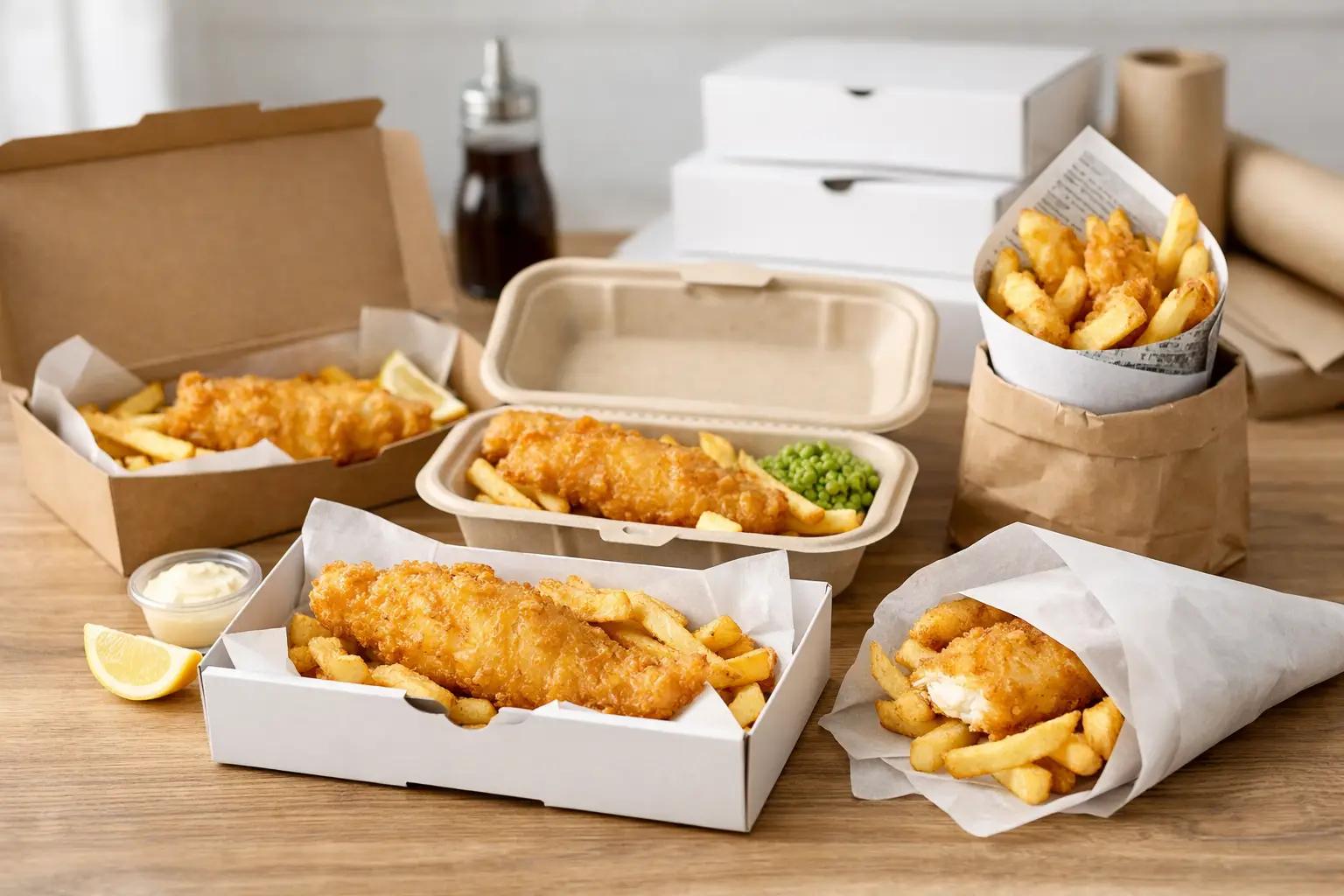
Fish and Chips Packaging Guide for Food Businesses

Over 60 percent of takeaway customers say packaging quality shapes their first impression of a meal. Choosing the right packaging for fish and chips is about more than keeping food hot and crisp. It directly impacts food safety, presentation, and your reputation with each order. By understanding the essentials of packaging selection, workspace setup, and handling, you can deliver meals that impress from kitchen to customer doorstep.

Table of Contents

Quick Summary

Key Point Explanation
1. Choose durable packaging materials Select materials that can withstand heat without leaking and maintain food quality during transport.
2. Ensure compliance with food safety regulations Use packaging approved for food contact and free from harmful chemicals to meet legal standards.
3. Organize a clean and efficient workspace Establish a designated, sanitized area for packaging to enhance food safety and operational efficiency.
4. Use standardized packaging techniques Adopt consistent methods for packaging to maintain portion size and reduce variability in presentation.
5. Maintain temperature control during transport Implement proper storage and transportation methods to ensure the food remains safe and at optimal temperatures.

Step 1: Assess suitable fish and chips packaging options

Selecting the right packaging for your fish and chips isn’t just about looking good. It’s about preserving food quality, maintaining customer satisfaction, and meeting legal standards. According to gov.uk, businesses must ensure their packaging complies with specific food safety requirements.

When assessing packaging options, consider several critical factors. First, evaluate material durability. Your packaging needs to withstand hot temperatures without compromising structural integrity or leaking grease. Look for materials specifically designed for greasy, hot foods that provide insulation and prevent soggy bottoms. Consider options like greaseproof coated boxes or containers with special moisture resistant linings.

Second, prioritise food safety and legal compliance. gov.uk outlines strict regulations about packaging materials used in food service. This means selecting containers approved for direct food contact, free from harmful chemicals, and capable of maintaining food temperature during transportation. Pro tip: Always request technical specifications and food safety certifications from your packaging supplier to verify compliance.

food packaging compliance

Lastly, think about your brand presentation. The right packaging communicates quality and care. A well designed fish and chips box not only protects the food but also serves as a mobile advertisement for your business. Fish and Chips Box: Everything You Need to Know can provide additional insights into making the perfect packaging selection.

Step 2: Select materials for freshness and compliance

Choosing the right packaging materials is crucial for maintaining food quality and meeting regulatory standards for your fish and chips business. According to gov.uk, food packaging must meet specific requirements that ensure both product safety and consumer information.

When selecting materials, prioritise food grade options that provide excellent moisture and temperature resistance. Look for packaging materials with proven grease resistance, thermal insulation properties, and durability. These characteristics are essential for preserving the crispy texture of fish and chips during transportation and delivery. Consider materials like high quality greaseproof paper, biodegradable containers with special coatings, and recyclable packaging that maintains food temperature and prevents soggy results.

Food safety compliance is non negotiable. gov.uk emphasises the importance of selecting packaging that meets stringent UK regulatory standards. This means choosing containers approved for direct food contact, free from harmful chemicals, and capable of preserving food quality. Pro tip: Request detailed technical specifications and food safety certifications from your packaging supplier to ensure complete regulatory compliance.

Beyond technical requirements, think about sustainability and brand image. Modern consumers appreciate businesses that choose environmentally responsible packaging. Your material selection can communicate your commitment to quality and ecological awareness.

Infographic comparing three types of fish and chips packaging materials and their features The next step involves understanding specific packaging design elements that enhance both functionality and visual appeal.

Step 3: Prepare workspace and organize packaging supplies

Establishing an efficient and hygienic workspace is fundamental to successful fish and chips packaging. According to HSE, maintaining proper workplace organization is critical for food safety and operational efficiency.

Begin by designating a clean dedicated area specifically for packaging preparation. This space should be well lit, easily sanitized, and separated from food preparation zones. Install sturdy shelving units or storage racks that allow you to organize packaging materials systematically. Arrange your supplies based on frequency of use, with most used items placed at eye level and easily accessible. Consider implementing a first in first out system to ensure older packaging materials are used before newer stock, preventing potential waste.

Hygiene and cleanliness are paramount in food packaging environments. Invest in proper cleaning stations with hand sanitization points, disposable gloves, and surface disinfectants. Implement a regular cleaning schedule that includes daily sanitization of storage areas and workspaces. Create a structured inventory management system where you track packaging stock levels, expiration dates, and material conditions. Pro tip: Use clear labelling and color coding to distinguish between different packaging types and maintain organizational clarity.

Finally, train your staff on proper workspace management and packaging handling protocols. A well organized workspace not only improves efficiency but also demonstrates your commitment to food safety and professional standards.

Your next step will involve setting up your packaging station for optimal workflow and hygiene.

Step 4: Assemble fish and chips packages efficiently

Preparing fish and chips packages requires precision and attention to detail to ensure food quality and customer satisfaction. Food Standards Agency emphasises the importance of systematic and hygienic food packaging processes.

Start by preparing your workspace with all necessary components within easy reach. Select an appropriately sized large fish and chips grab bag that accommodates your portion sizes. Begin by lining the container with greaseproof paper to prevent soaking and maintain food presentation. Carefully place the chips first, ensuring even distribution and allowing space for the fish. Position the fish on top of the chips at an angle that prevents steam buildup and maintains crispiness.

Manual handling is crucial during packaging. According to HSE, proper techniques can prevent workplace injuries and ensure consistent packaging quality. Wear disposable gloves and use smooth efficient movements when transferring food. Pro tip: Practice a standardised packaging technique that ensures each package looks identical minimising variability. Keep your work area clean and organised with dedicated spaces for hot and cold foods.

Lastly, seal the package securely while maintaining visibility of the food. Your packaging should showcase the delicious meal while keeping it warm and intact during transportation. The next step involves quality checking and final presentation of your fish and chips packages.

Step 5: Verify packaging quality and presentation

Ensuring top quality packaging is the final critical step in your fish and chips preparation process. gov.uk provides clear guidelines about maintaining standards for packaged goods that every food business must follow.

Carry out a systematic visual inspection of each package before dispatch. Check for consistent packaging alignment and ensure the fish and chips are positioned attractively within the container. Examine the packaging for any structural weaknesses like potential tears or compromised seals that might affect food integrity. Verify that portion sizes remain consistent across different packages and that greaseproof linings are correctly positioned to prevent food sogginess.

Beyond visual inspection, test the packaging functionality. Confirm that the container can withstand transportation without collapsing or leaking. The Essential Guide to Packaging in Takeaway Operations highlights the importance of robust packaging design. Pro tip: Occasionally conduct a gentle shake test to ensure contents remain secure and well distributed. Pay special attention to temperature retention and how well the packaging maintains food quality during potential delivery times.

Remember that packaging is more than just a container. It represents your brand and commitment to quality. A perfectly assembled and presented fish and chips package communicates professionalism and care to your customers. Your final step involves preparing these packages for distribution while maintaining their pristine condition.

Step 6: Store and transport packaged food safely

Safe food storage and transportation are critical for maintaining quality and preventing potential health risks. Food Standards Agency emphasises the importance of systematic approaches to handling packaged food throughout its journey from kitchen to customer.

Establish a temperature controlled storage system that keeps hot foods hot and cold foods cold. Use insulated containers or warming cabinets for hot fish and chips to maintain optimal serving temperature. Separate different food types to prevent cross contamination and ensure each package remains sealed during transportation. When using takeaway bags for food transportation, select options that provide adequate thermal protection and structural integrity.

According to HSE, maintaining proper health and safety standards during food transportation is crucial. Create a standardised process for loading and unloading packages that minimises handling and potential damage. Pro tip: Use padded carriers or specialized food transport containers that keep packages secure and prevent sliding or tipping during movement. Always monitor transportation times and temperatures to guarantee food remains at safe consumption levels.

Your final responsibility is ensuring that each packaged meal arrives in perfect condition. Develop a quality check protocol that verifies food temperature and packaging integrity immediately before dispatch. This commitment to safety and quality will distinguish your business in the competitive takeaway market.

Elevate Your Fish and Chips Packaging with the Perfect Supplies

Choosing the right packaging for your fish and chips can be challenging, especially when you need solutions that keep food fresh, secure, and visually appealing. With concerns about grease resistance, temperature retention, and food safety regulations, your packaging choices directly impact customer satisfaction and your brand’s reputation. This guide highlights how selecting the ideal materials and maintaining packaging quality are key to delivering that unbeatable takeaway experience.

At Grab n Go Packaging, we understand these challenges and offer a wide range of specialised fish and chips packaging supplies designed to meet your exact needs. Whether you require greaseproof boxes, durable grab bags, or eco-friendly containers, our products blend functionality with compliance and style.

https://grabngopackaging.co.uk

Don’t let your packaging hold back your business. Explore our premium packaging options at Grab n Go Packaging today and discover how simple it is to protect the taste, texture, and temperature of your fish and chips. Take the first step now by visiting https://grabngopackaging.co.uk/ and upgrade your takeaway service with reliable, compliant packaging solutions that impress your customers every time.

Frequently Asked Questions

What materials should I consider for fish and chips packaging?

Choosing food grade materials that provide excellent moisture and temperature resistance is essential. Use options like greaseproof paper and biodegradable containers with coatings to maintain the crispy texture of your fish and chips during transport.

How can I ensure my packaging is food safe and compliant with regulations?

Verify that your packaging materials are approved for direct food contact and free from harmful chemicals. Always request food safety certifications from your supplier to guarantee compliance.

What steps can I take to organize my packaging workspace?

Designate a clean area specifically for packaging, and use shelving units to organize materials by frequency of use. Implement a labeling system to manage inventory effectively, which can help streamline your packing process.

How can I efficiently package fish and chips to maintain quality?

Use a systematic approach by lining the container with greaseproof paper, placing chips first, and positioning the fish to avoid steam buildup. Practice standardized techniques to ensure uniformity in all packages.

What quality checks should I conduct before dispatching packaged fish and chips?

Perform a visual inspection of each package to ensure food is well-presented and that packaging is intact. Test the container’s strength by conducting a gentle shake to confirm that contents are secure during transportation.

How should I store and transport packaged fish and chips safely?

Maintain a temperature-controlled environment to keep hot foods hot and prevent cooling. Use insulated carriers and monitor the transportation duration to ensure food remains at safe serving temperatures.

Verified by MonsterInsights